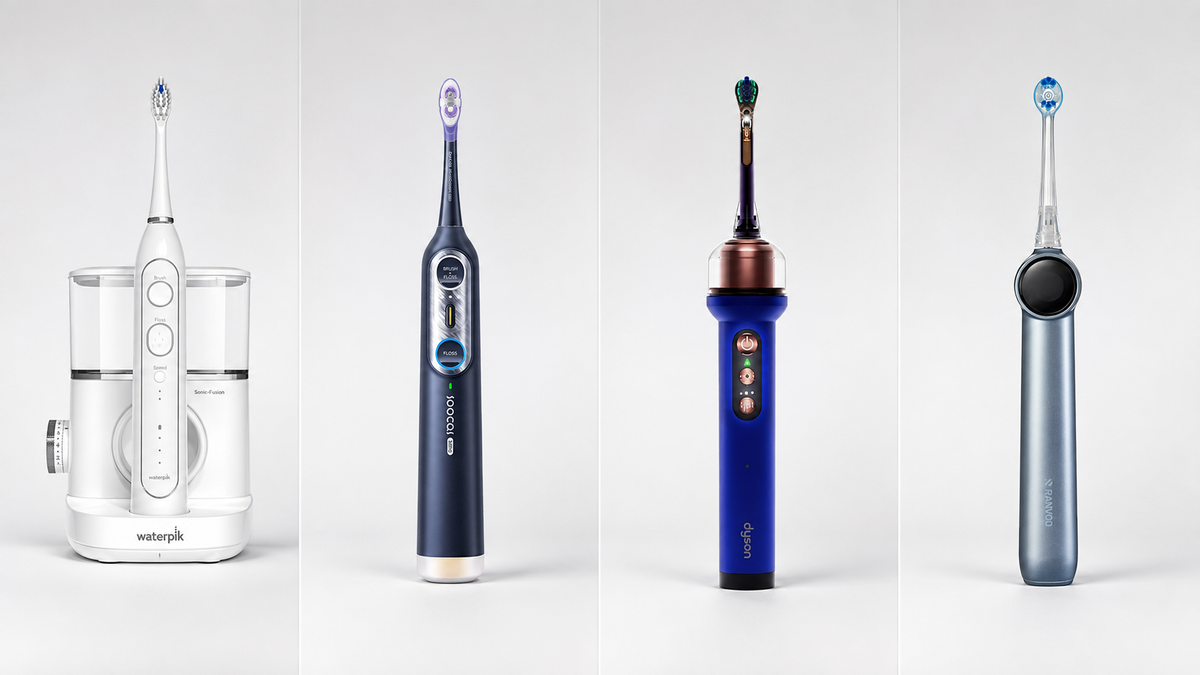
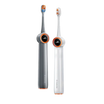
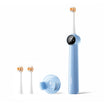




TL;DR: No — clinical studies show that electric toothbrushes do not cause or worsen gum recession when used correctly. In fact, they often outperform manual brushes in reducing plaque and gingivitis, with built-in pressure sensors helping to prevent the hard scrubbing that can harm gums. Recession is more often tied to user technique, genetics, or untreated gum disease.
What Is Gum Recession and Why Should You Care?
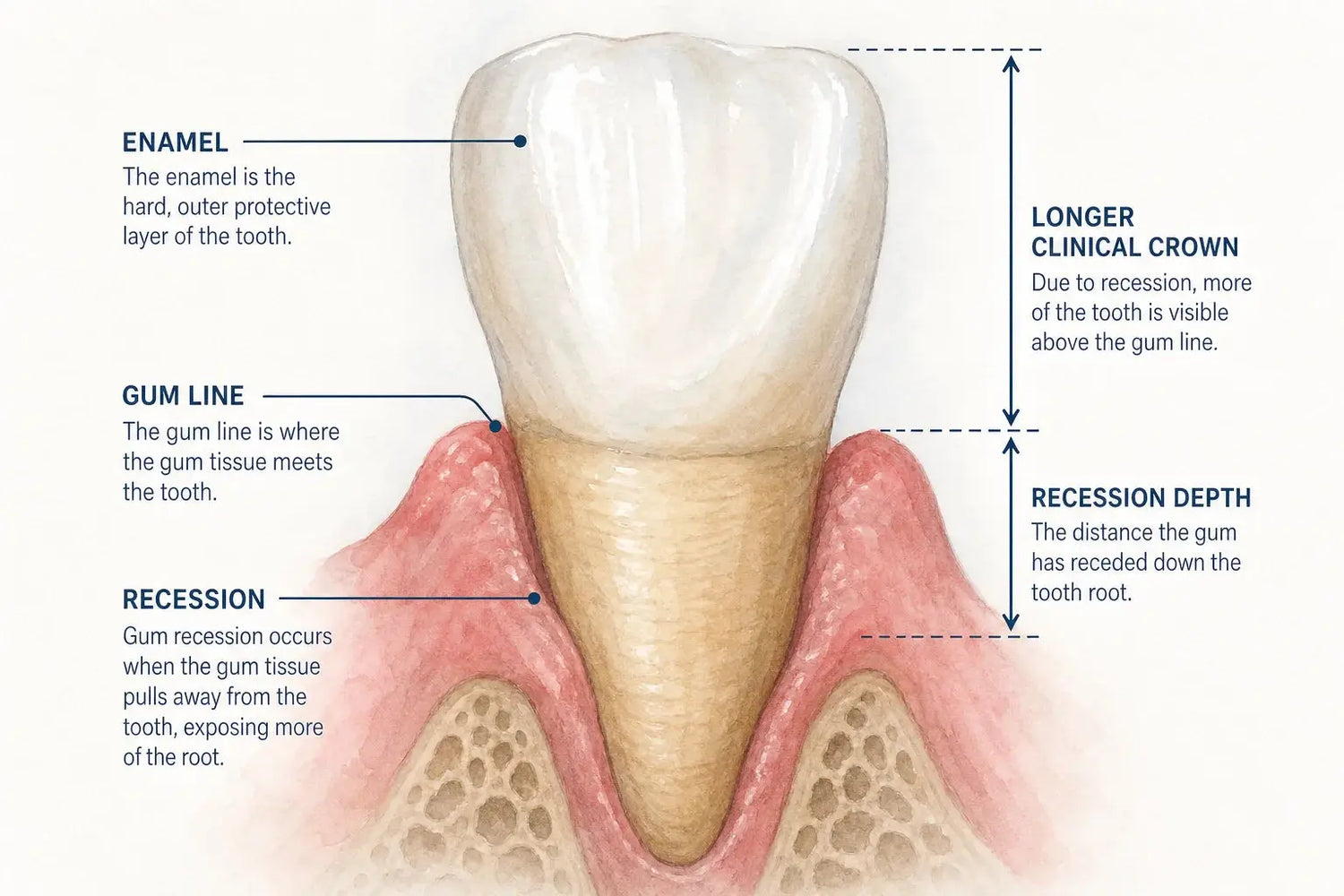
Gingival recession — commonly called gum recession — is the progressive loss of gum tissue that exposes the tooth root.
It’s not just a cosmetic issue. Exposed roots can lead to tooth sensitivity, a higher risk of decay, and even tooth loss.
Common causes, separated from myths:
- Fact: Aggressive brushing is a trigger — but it’s the force, not the brush type.
- Fact: Periodontal disease (untreated gingivitis that progresses) is the leading cause.
- Fact: Genetics can give you a thin gum biotype, which is naturally more vulnerable.
- Myth: Toothbrush abrasion — the hard-tissue notches at the gumline — is recession. It’s actually cervical tooth wear, a different problem.
What Are the Warning Signs You Already Have Receding Gums?
Check for these visual clues before blaming your brush:
- Teeth that look visibly longer than before
- A notch or groove you can feel near the gumline
- Increased sensitivity when eating or drinking cold, hot, or sweet things
- Gums that bleed easily while brushing or flossing

What Does the Clinical Research Say? Electric vs. Manual Toothbrushes
Multiple controlled trials have now put this question to rest. The evidence consistently finds no increase in recession with electric brushing — and often a slight advantage.
| Study & Duration | Design & Sample | Key Recession Outcome | Conclusion |
|---|---|---|---|
| Sälzer et al. (12 months) | 107 adults with pre-existing recession ≥2 mm, multidirectional power brush vs. manual | Mean recession decreased in both groups (2.2→2.1 mm), no difference between brush types. | Neither brush worsened recession over 1 year. Source |
| Dörfer et al. (3 years) | 109 adults with pre-existing recession, oscillating-rotating brush vs. ADA manual | Recession reduced from ~2.3 mm to ~1.8 mm in both groups. No significant group difference. | Long-term use of either brush actually improved recession. Source |
| Thomassen et al. (36 months) | 92 adults with pre-existing recession ≥2 mm, oscillating-rotating with micro-vibrations vs. manual | Recession sites worsening ≥1 mm: power 10.6% vs. manual 25.5% (p=0.009). Mean change favoured power brush (-0.10 mm vs. +0.17 mm; p=0.013). | Power brush significantly better at preventing further recession. Source |
Can a Sonic or Oscillating Brush Actually Cause Recession?
The unique movements — rapid oscillations, sonic vibrations — do not directly traumatize healthy gum tissue.
A 2011 systematic review analyzed 35 studies and concluded: “Oscillating-rotating toothbrushes are safe compared to manual toothbrushes, demonstrating that these power toothbrushes do not pose a clinically relevant concern to hard or soft tissues.” Source
“There was no difference in the amount of gingival recession in the power or manual group. In both groups, pre-existing gingival recession was significantly reduced.”
Mechanically, the small, round brush head of an oscillating-rotating brush naturally hugs a single tooth.
You don’t need to scrub, so the automatic motion reduces the chance of repetitive, forceful strokes that can traumatize the gingival margin.
Is It the Tool or the Technique? The Role of User Behavior
Hard evidence points to behavior: the way you brush matters far more than the tool itself.
Safe electric brush habits
- Let the brush head linger on each tooth for 2–3 seconds
- Hold the handle with just three fingers — light grip
- Use a pressure sensor warning and immediately ease up
- Replace brush heads every 3 months or when bristles splay
Unsafe habits that cause recession
- Scrubbing back and forth like you would with a manual brush
- Applying heavy pressure until the brush motor struggles
- Using a worn brush head with frayed, stiff bristles
- Ignoring the pressure indicator until it stops working
Why Do Some Dentists Still Warn Against Electric Toothbrushes?
This caution has historical roots. Earlier power brushes lacked pressure control, and some patients misused them aggressively.
Today’s best electric toothbrushes come with visual or haptic pressure alerts, soft bristle options, and gum-care modes.
When a dentist suggests skipping the electric brush, they’re almost always reacting to a particular patient’s excessive brushing force — not condemning the device.
“In practice, I’ve never seen a brush cause recession on its own. It’s always the combination of too much pressure and a scrubbing motion. A modern power brush with a pressure sensor fixes that.” — Per clinical guidelines, dental professionals routinely recommend soft bristles and technique-focused education.
When Can an Electric Toothbrush Actually Help Prevent Gum Recession?
Scenario 1 — You Tend to Scrub Too Hard with a Manual Brush
A built-in pressure sensor — a light that blinks or a motor that changes sound — instantly alerts you to dangerous force.
Small, round brush heads force you to clean one tooth at a time, eliminating the wide, scrubbing strokes that traumatize gums.
Scenario 2 — You Have Braces, Crowns, or Dental Work
Specialized modes and oscillating heads clean around brackets and restorations without shredding soft tissue.
This precision reduces plaque buildup and inflammation, lowering the overall risk of recession around compromised areas.
Scenario 3 — You Suffer from Gum Inflammation (Gingivitis)
Untreated gingivitis is the first step toward periodontal disease — the top cause of recession.
Systematic reviews show that oscillating-rotating brushes consistently reduce gum bleeding and plaque more than manual brushes. Source
Healthier gums are more resilient and less likely to recede.

How to Use an Electric Toothbrush Without Harming Your Gums (Step-by-Step Guide)
- Pick a soft-bristle head — extra-soft or sensitive heads are safest for gums.
- Angle the brush at 45 degrees toward the gumline, letting the bristles reach just under the edge.
- Guide, don’t scrub — hold the brush in place for 2–3 seconds per tooth surface, then move to the next.
- Watch the pressure sensor — if a light comes on or the motor slows, ease off immediately.
- Let the brush do the work — its movement is designed to clean; extra force adds nothing but risk.
Do’s and Don’ts at a Glance
| Do’s | Don’ts |
|---|---|
| Use the pressure sensor every time | Press harder to “feel clean” |
| Clean along the outer, inner, and chewing surfaces methodically | Scrub horizontally across several teeth |
| Replace the head every 3 months | Continue using splayed, hard bristles |
| Select a gum-care or sensitive mode if available | Use the highest speed relentlessly without checking gum reaction |
What Features Should You Look for in a Gum-Safe Electric Brush?
- Pressure sensor — standard on quality models; the single most important recession-prevention tool.
- Soft or extra-soft bristles — firm bristles are never justified for gum health.
- Gum-care mode — lower power, gentle pulsations for sensitive areas.
- Small, round oscillating head — encourages tooth-by-tooth cleaning and avoids broad, traumatic strokes.
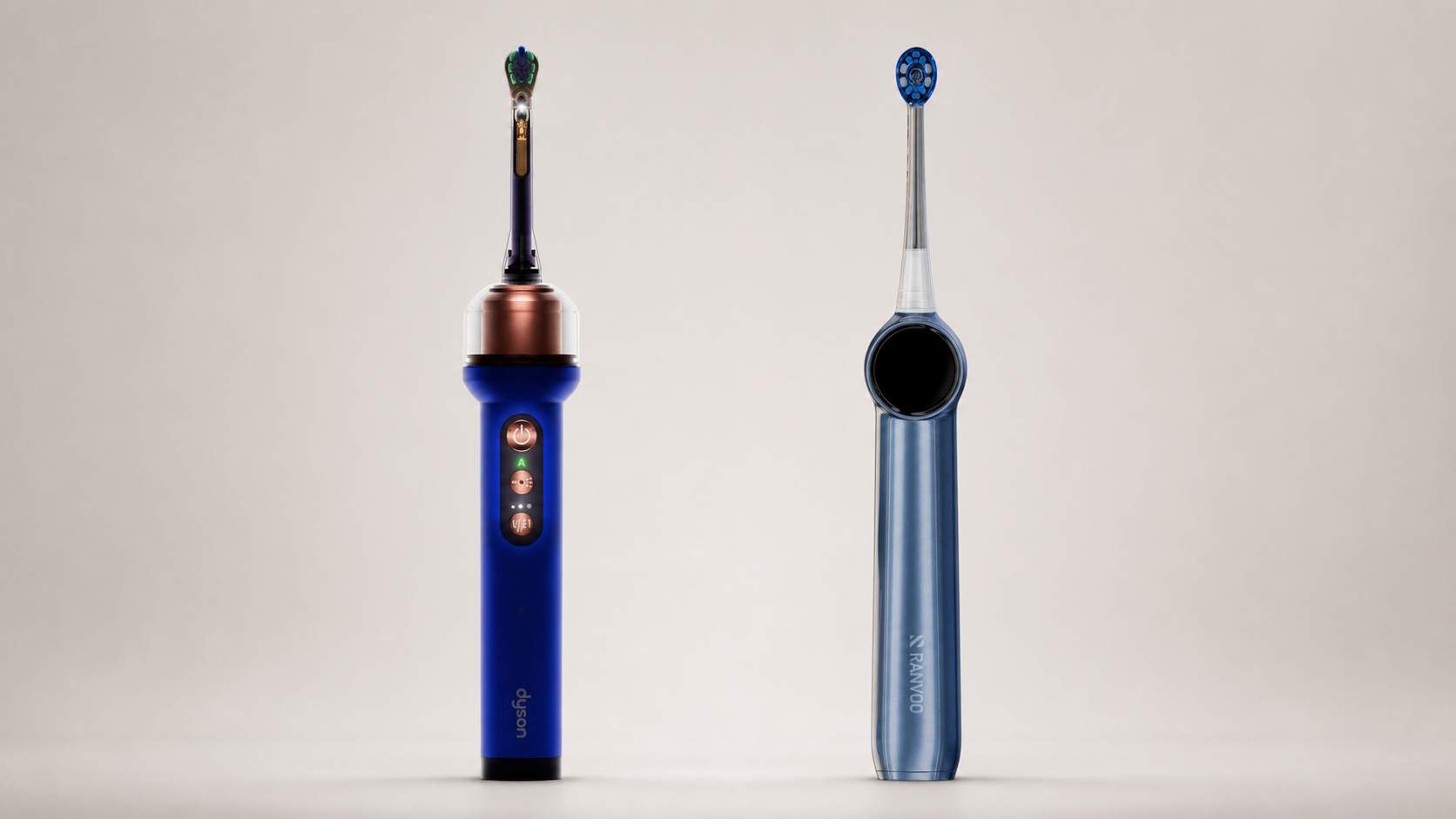
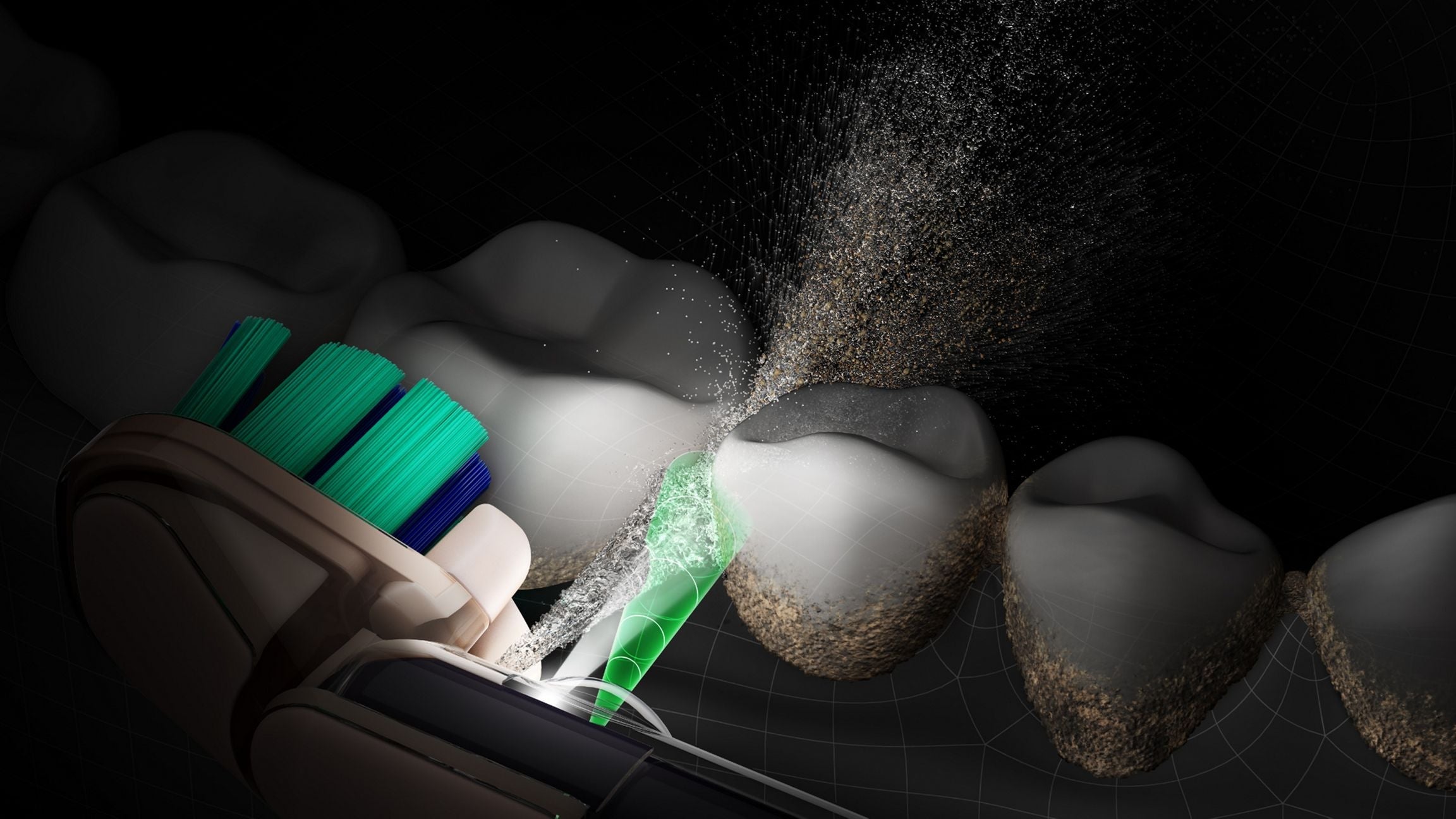
- Innovative bubble cleaning technology — devices like the RANVOO AirJet X5 use supercharged bubbles that penetrate deep between teeth without abrasive bristles, combined with 22,000 strokes/min low-frequency oscillation and a 12° micro-sweep angle, providing Level-1 cleaning power while protecting sensitive gums from mechanical friction.
Where Do Electric Toothbrushes Stand in the Bigger Picture of Gum Health?
Your toothbrush is just one piece of the puzzle.
Interdental cleaning, regular check-ups, and addressing non-brush factors like tooth grinding or lip piercings all play a role.
Risk-Reduction Pyramid (top to bottom)
- Top tier — Professional dental exams and cleanings
- Second tier — Daily interdental cleaning (floss, water flosser, interdental brushes)
- Third tier — Correct electric brush technique with a pressure sensor
- Base — Soft bristles, twice-daily 2-minute brushing, no overbrushing
So, Do Electric Toothbrushes Directly Cause Gum Recession? The Verdict
No. The strongest clinical evidence — multiple randomized trials and systematic reviews — shows that electric toothbrushes do not cause or worsen gingival recession.
When used correctly, they can even help prevent further recession compared to manual brushing, especially in people prone to hard scrubbing.
Final Takeaways
- Recession is driven by aggressive technique, not the motor in your brush.
- Studies up to 36 months show electric brushes perform as well or better than manuals on recession, with fewer worsening sites.
- A pressure sensor is your best insurance against gum damage — never ignore it.
- Match your brush to your risk: soft bristles, small head, gum-care mode.
- Pair good brushing with interdental cleaning and regular dental visits to keep gums anchored and healthy.
- For maximum gum safety, consider advanced options like the RANVOO AirJet X5, which eliminates bristle friction entirely through bubble deep-cleaning and low-frequency micro-oscillation — a proactive choice for those already concerned about gum recession.