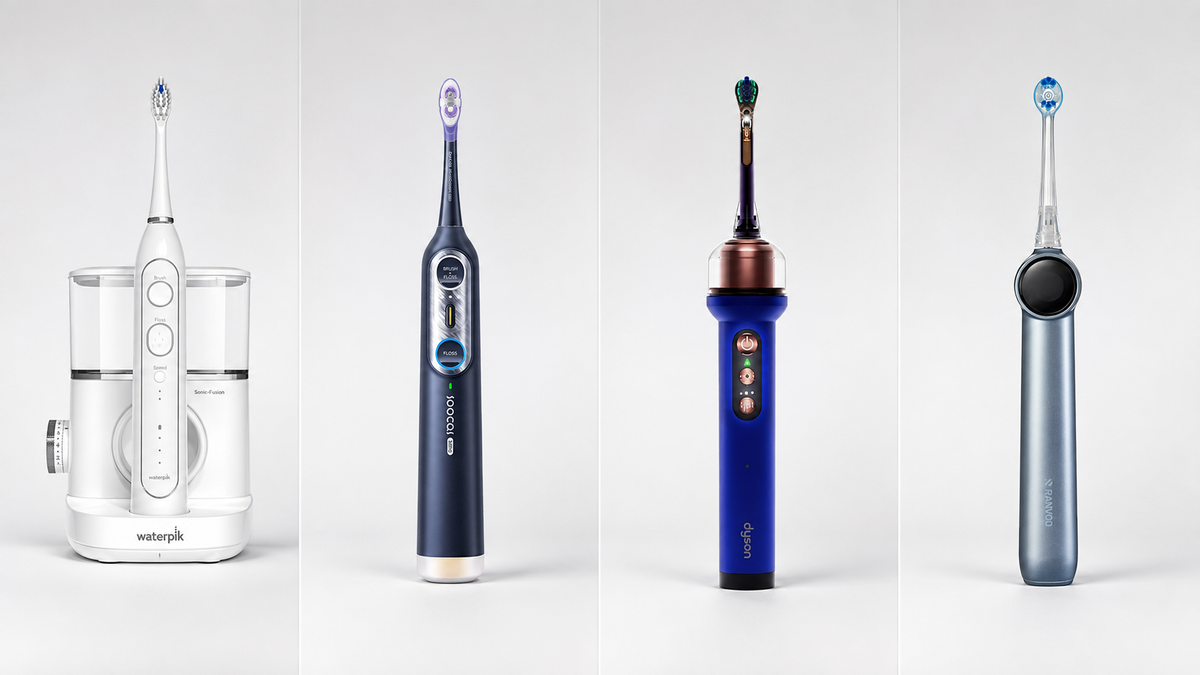




TL;DR: Yes, you can use an electric toothbrush on your tongue — and when done right, it effectively reduces the gunk that causes bad breath. But a dedicated tongue scraper often works better and more comfortably. The real secret isn’t the tool; it’s consistent, gentle cleaning from back to front.
If you’ve ever wondered whether your buzzing brush belongs anywhere near your tongue, the short answer is yes. But there’s more to it than simply moving the bristles around. Here’s what you need to know about safety, effectiveness, and the best technique.
Why Tongue Cleaning Matters for Oral Health
Your tongue isn’t just a flat surface — its tiny bumps (papillae) create the perfect hiding spot for bacteria, food debris, and dead cells. That buildup, often called tongue coating or bacterial biofilm, isn’t just unsightly. It’s a primary source of smelly compounds.
The Link Between Your Tongue and Bad Breath
Halitosis (chronic bad breath) affects an estimated 85% of people with oral causes. Roughly half of those originate on the tongue. The culprit: volatile sulfur compounds (VSCs) — hydrogen sulfide and mercaptans — produced when bacteria on the back of the tongue break down proteins and amino acids. Scrubbing teeth alone misses this reservoir, which is why tongue cleaning belongs in every oral hygiene routine.

How a Dirty Tongue Affects Taste and Overall Oral Hygiene
A coated tongue can literally dull your ability to taste. The same biofilm that causes odor forms a barrier over taste buds, muting flavors. Plus, bacteria from the tongue continuously repopulate teeth and gums, making it harder to keep plaque in check. Simply adding a tongue-cleaning step helps break that cycle.
Can an Electric Toothbrush Safely Clean Your Tongue?
Absolutely — with a few important caveats. Electric toothbrushes (both oscillating-rotating and sonic types) can dislodge tongue coating when used correctly. But they aren’t purpose-built for the tongue’s spongy, creviced surface.
What Dentists Say About Using Electric Toothbrushes on the Tongue
The professional consensus is clear: cleaning your tongue is beneficial, and your toothbrush is better than nothing. One study published in the journal BMC Oral Health found that brushing the tongue with a toothbrush significantly reduced both bad breath and tongue coating, and there was no statistical difference versus using a tongue scraper — provided the cleaning motion was accurate and thorough. You can read the full results here.
Potential Risks and How to Avoid Them
Used carelessly, an electric toothbrush can cause irritation. Here’s how to stay safe:
- Over-scrubbing and micro-tears — Aggressive pressure, especially with stiff bristles, can damage delicate papillae and lead to soreness or transient taste changes. Use the lightest pressure possible.
- Gag reflex trigger — Large brush heads going too far back often activate the reflex. Stick out your tongue, breathe through your nose, and start a little farther forward until you build tolerance.
- Taste bud damage — Flat, high-speed oscillating round heads have caused micro-trauma when pressed too hard. Convert to a soft-bristle head or use the back of the brush if it has a textured tongue cleaner.
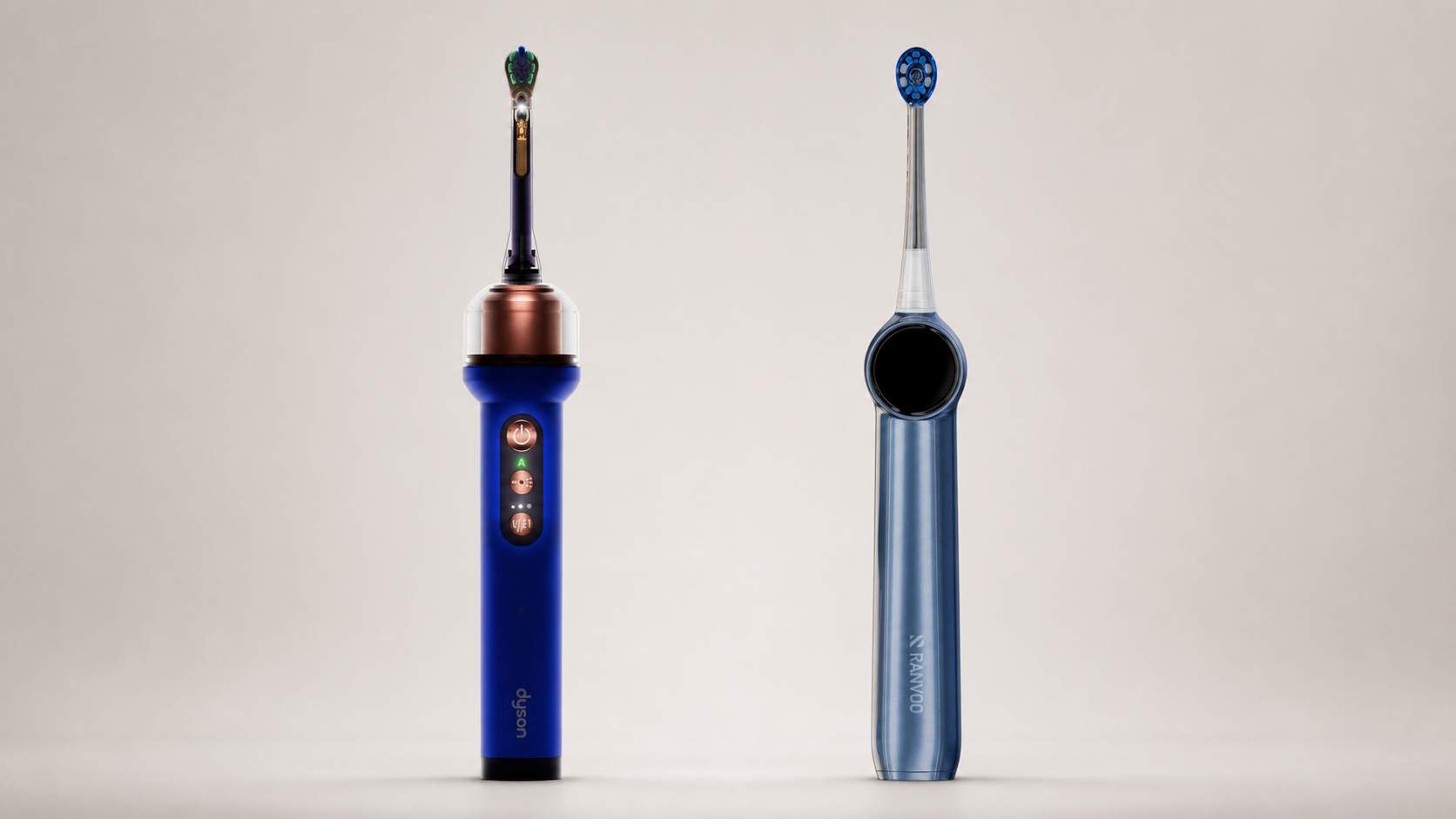
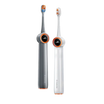
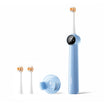
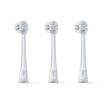
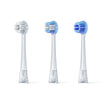
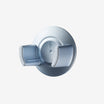
- Bacteria spread — Always rinse the brush head thoroughly before and after, or use a separate dedicated head for tongue cleaning. Even better, consider a toothbrush designed to resist mold and bacteria buildup, like the RANVOO AirJet X5, which features Level-0 anti-mold certification and a magnetic wall-mount that keeps the brush head dry and ventilated. Its DuPont soft bristles and rubber-coated back offer a comfortable tongue-cleaning surface without the risk of moisture-related bacterial growth.

How to Clean Your Tongue with an Electric Toothbrush – Step-by-Step Technique
Proper technique matters more than the tool. Follow these steps for safe, effective cleaning.
Selecting the Right Brush Head and Setting
- Soft bristles only. Medium or hard bristles increase abrasion risk.
- Look for a tongue-cleaning mode. Brushes like the Philips Sonicare DiamondClean offer reduced-intensity modes, sometimes with dedicated tongue attachments.
- Check the back of your brush head. Many Oral-B and Philips brush heads have a textured reverse side designed exactly for tongue scraping.
- Avoid whitening or prophy heads.
The Correct Motion: From Back to Front
- Wet the brush with water; a small smear of toothpaste is optional but can foam excessively.
- Stick your tongue out as far as comfortable.
- Place the bristles or the back scaper surface at the rear of the tongue (not so far back that you gag).
- Apply light pressure and move forward slowly. With sonic bristles, a gentle forward sweeping motion works; with the back scraper, pull in one smooth stroke.
- Repeat 2–3 times, covering the center and sides.
- Rinse your mouth and the brush head thoroughly.
One clinical trial found that a tongue scraper reduced VSCs by 75%, while a toothbrush reduced them by 45% — both methods beat no cleaning at all. Accuracy and direction made the difference.
Timing and Frequency: When and How Often Should You Do It?
Clean your tongue once or twice daily, ideally after brushing and flossing. Morning cleaning removes overnight buildup, while an evening session clears the day’s debris. Five to ten seconds of focused cleaning is plenty.
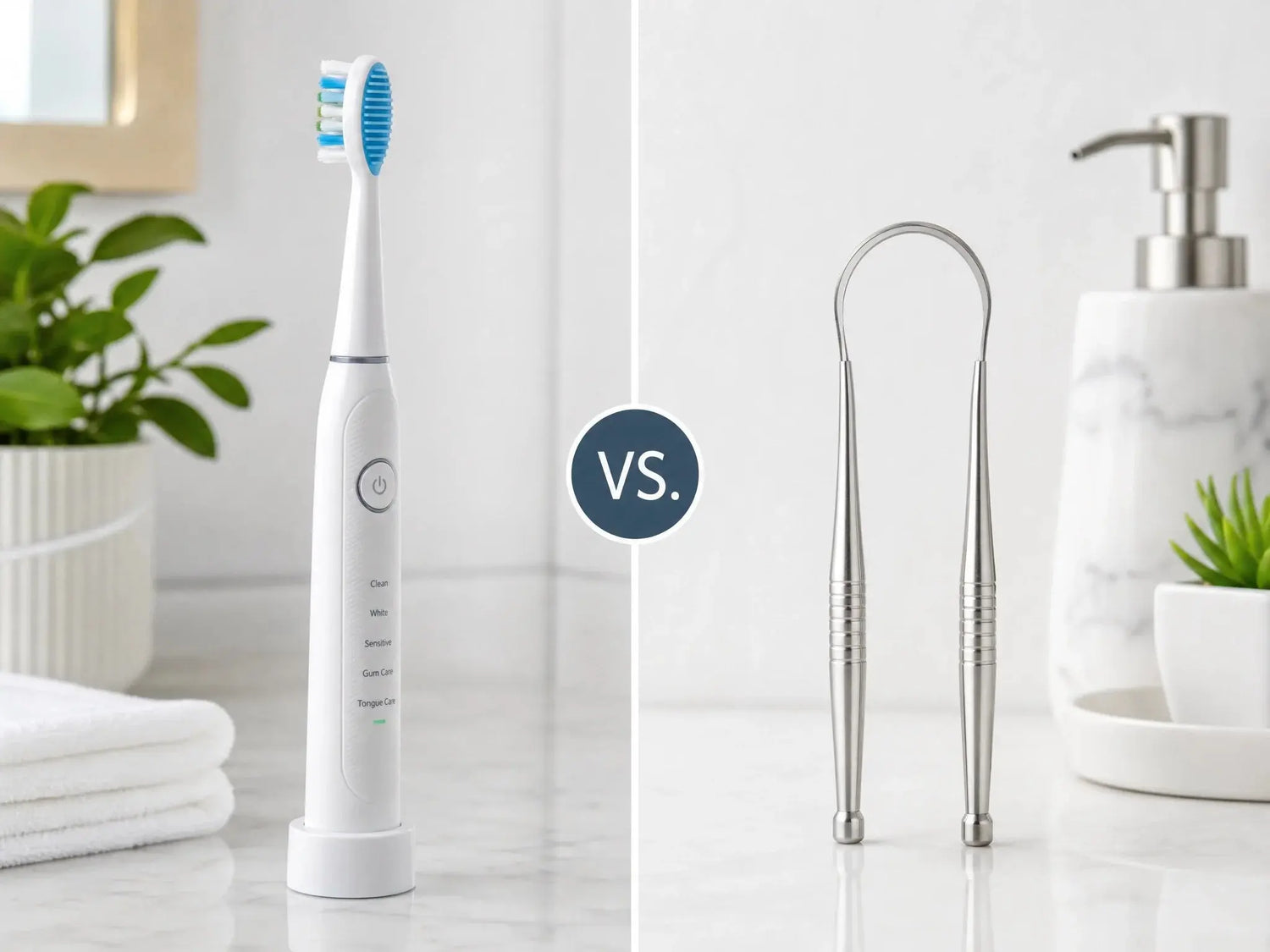
Electric Toothbrush vs. Tongue Scraper: Which Is More Effective?
A tongue scraper is a simple, curved tool — plastic or metal — designed solely for this job. Here’s how the two stack up.
| Feature | Tongue Scraper | Electric Toothbrush |
|---|---|---|
| Effectiveness at reducing VSCs | 75% reduction | 45% reduction (bristles alone) |
| Comfort / gag reflex | Low profile, less invasive | Brush head can feel bulky |
| Convenience | Extra tool to store | Already in your hand |
| Cleans between papillae | Excellent — blade lifts coating | Bristles can miss deep crevices |
| Risk of over-scrubbing | Low if used gently | Higher if too much pressure |
Tongue Scraper Benefits and Drawbacks
- Pros: Purpose-built, more effective at physically removing the sticky biofilm, often more comfortable.
- Cons: An added purchase, not part of your existing routine, no built-in timer.
Electric Toothbrush Benefits and Limitations for Tongue Cleaning
- Pros: Instant convenience, vibration can help dislodge debris, some brushes have a tongue-cleaning mode.
- Limitations: Brush head shape not optimized, may cause excessive foaming, harder to reach the very back.
When an Electric Toothbrush Might Be the Better Choice
- Travel: One less item to pack.
- Sensory preferences: Some people dislike the feel of a metal or plastic scraper.
- Simplicity: If you won’t buy a separate tool, using your toothbrush is far better than skipping tongue cleaning entirely.
How to Enhance Tongue Cleaning with an Electric Toothbrush (Pro Tips)
A few small additions can dramatically boost results.
Using Toothpaste or Mouthwash – What’s Best?
A dab of toothpaste can help mask odor, but too much creates foam that obscures visibility and triggers gagging. Better: use water alone, or a gel specifically formulated for tongue cleaning. Alternatively, clean first, then rinse with an alcohol-free antibacterial mouthwash.
Pairing with a Tongue Spray or Gel for Extra Freshness
After mechanical cleaning, a spray like the Philips Sonicare BreathRx, applied before or after brushing, delivers bacteria-killing ingredients deeper into the tongue’s surface. Some sonic brush models even sync with gel and spray systems for a complete routine.

Who Should Avoid Cleaning Their Tongue with an Electric Toothbrush?
While safe for most, some conditions warrant caution:
- Fissured tongue: Deep grooves require gentler, dedicated cleaning; a scraper is typically safer.
- Geographic tongue: Sensitive, inflamed patches may worsen with bristle friction.
- Recent oral surgery or injuries: Wait until fully healed.
- Severe gag reflex: The larger brush head can be unbearable; a thin scraper or the textured back of the brush head is often better tolerated.
If you experience persistent redness, soreness, or taste changes, pause tongue cleaning and consult your dentist.
The Verdict: Should You Ditch Your Tongue Scraper for an Electric Toothbrush?
You don’t need to choose just one. An electric toothbrush can certainly clean your tongue — and it’s far better than ignoring tongue care. But research and user experience consistently favor the scraper for comfort and effectiveness. Many dental pros recommend combining both: use the toothbrush for general disruption, then a quick scraper pass to lift loosened coating.
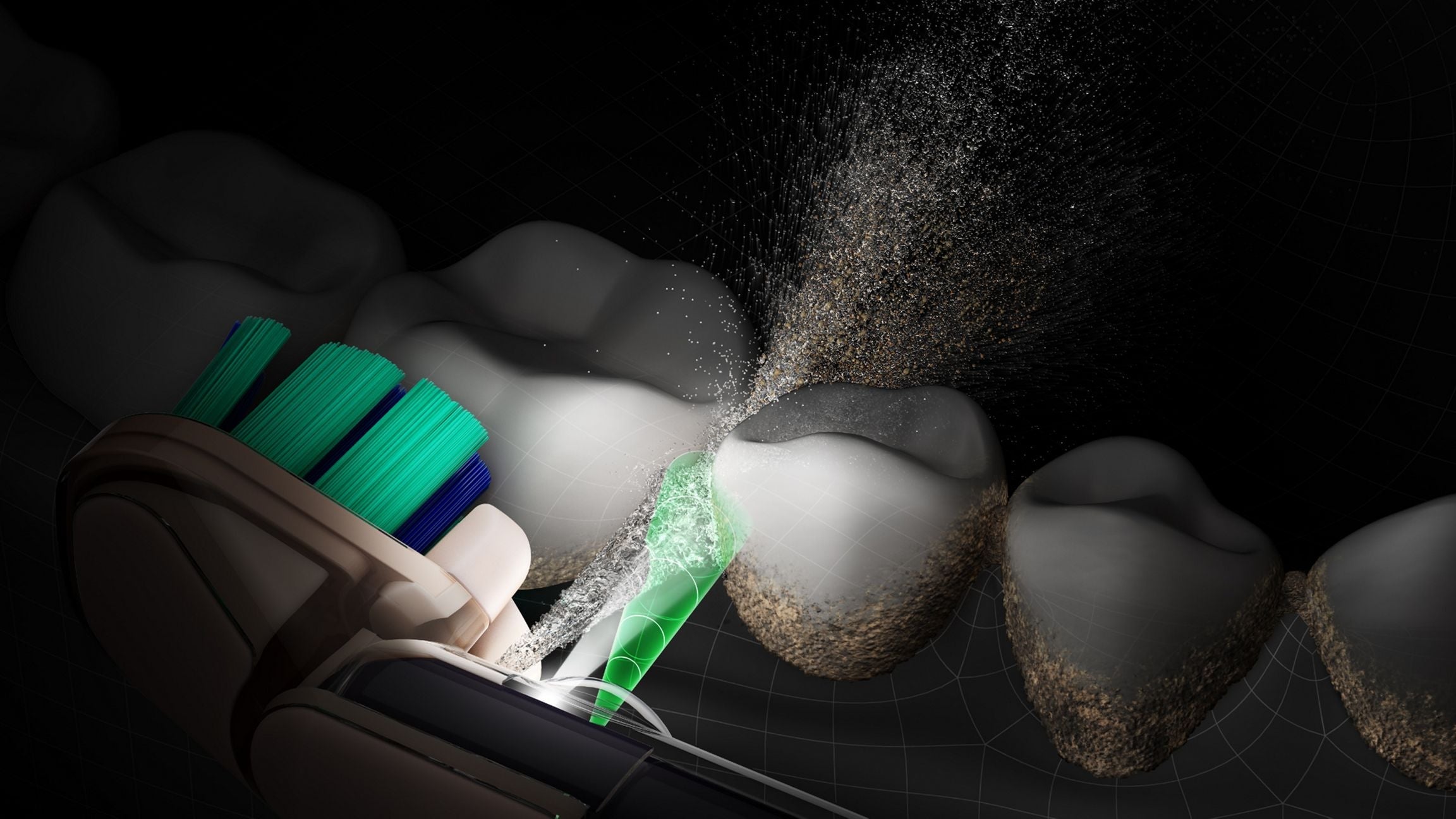
For a truly integrated solution, consider a next-generation oral care device like the RANVOO AirJet X5. It’s not just an electric toothbrush — its SuperNano Bubble 2.0 technology delivers micro-bubbles that can gently flush tongue coating away without abrasion, while its 22,000 strokes/min low-frequency oscillation with 12° micro-sweep protects sensitive gums. The rubber-coated back of the brush head also doubles as a gentle tongue scraper, and the Level-0 anti-mold magnetic wall-mount keeps everything hygienic. Ultimately, the best tool is the one you’ll use consistently, with a gentle hand and smart technique.