





You can pull a loose baby tooth at home only when it is very loose, barely attached, pain-free, and easy to twist. A loose adult tooth should never be pulled at home — it needs a dentist. If the tooth is painful, swollen, bleeding, or still resists, wait and get professional advice.
The safe rule: never force a tooth. If it is not ready, forcing it can break the tooth, injure the gum or bone, and raise the chance of infection.
Baby Tooth or Permanent Tooth?
First, figure out which kind of tooth is loose.
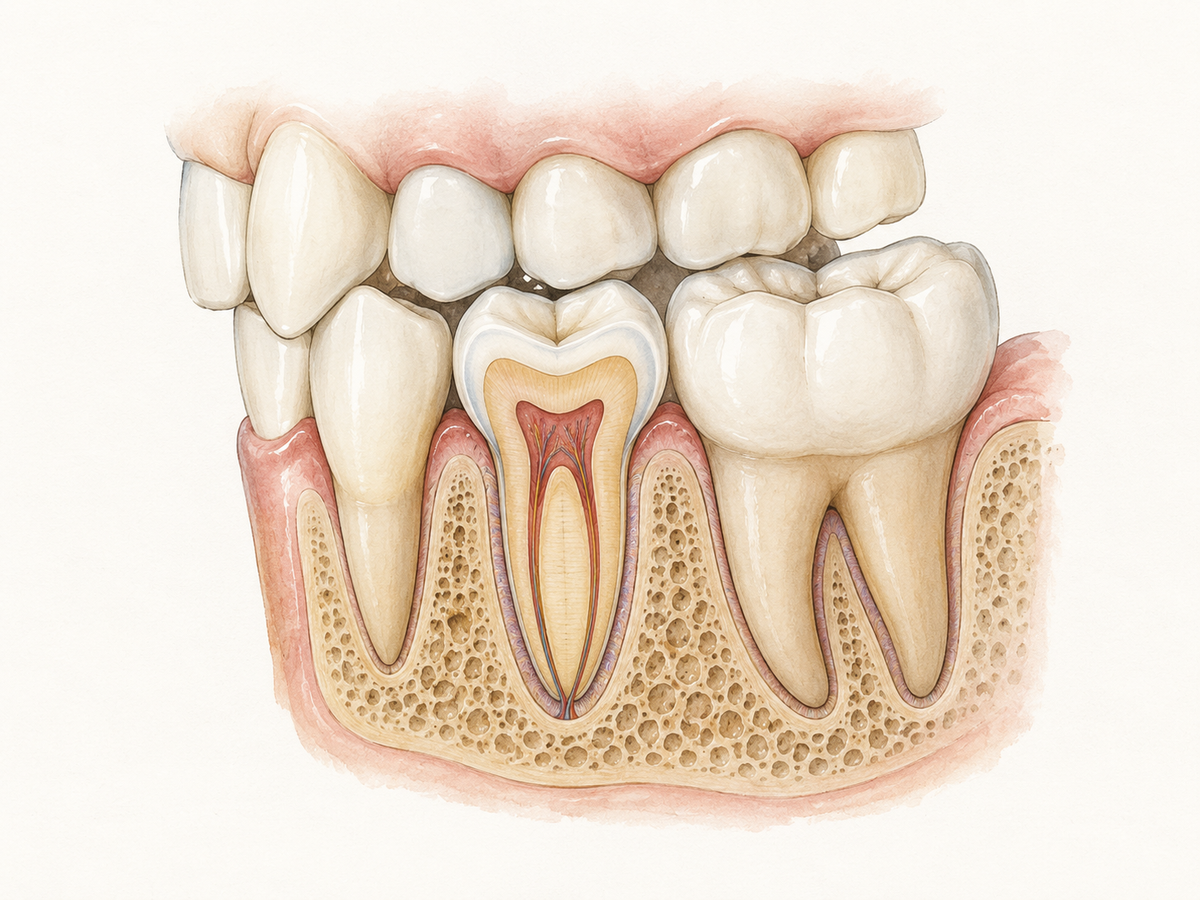
A baby tooth, also called a primary tooth, is meant to get loose and fall out. Its root slowly dissolves as the adult tooth underneath pushes upward. That process is normal.
A permanent tooth, also called an adult tooth, should not feel loose. Looseness in an adult tooth can be a sign of an injury, gum disease, or an infection near the tooth. A loose permanent tooth after a bump or fall is a dental injury, and it needs professional evaluation because the tissues supporting the tooth can be damaged, according to clinical guidance on tooth injuries. Even without an injury, long-term gum disease can destroy the bone around a tooth and make it feel loose.
The key point is simple:
- A very loose, ready baby tooth may be safe to remove at home.
- A loose permanent tooth should never be pulled at home.
Signs It’s Ready to Come Out
A baby tooth is ready when natural loosening is almost complete. Look for these green lights:
- The tooth twists easily without much resistance.
- It seems to hang by only a tiny piece of gum.
- It does not hurt when the child wiggles it.
- The child can push it with their tongue.
- It bleeds very little or not at all during normal wiggling.
These signs mean the root has mostly resorbed, or dissolved, and the tooth is near natural shedding. If the tooth is only slightly loose, hurts when wiggled, or bleeds easily, it is not ready.
If It’s Not Ready Yet
The safest choice is usually to wait. Baby teeth are designed to come out naturally, and a tooth that is still attached needs more time.
During the wait, you can let your child:
- Wiggle it gently with a clean finger or the tongue.
- Eat normally.
- Brush as usual.
These activities are fine. But do not force the tooth. Forcing a tooth before the root has loosened can cause pain, damage the gum, and raise the risk of infection. In one reported case, forceful home removal of a baby tooth caused a break in the bone that supported the tooth. That is rare, but it shows why gentle waiting matters.
Dental guidance also notes that a mobile baby tooth from natural loosening is usually best left to fall out on its own unless a dentist says removal is safer for your child, as described in this case report on loose primary teeth. It may take days or weeks for a tooth to become ready. That is normal, not a problem.
Safe At-Home Pull
Only try this if the tooth is a very loose baby tooth and meets the readiness signs above.
- Wash your hands well with soap and water.
- Use a clean piece of gauze or tissue to grip the tooth.
- Gently twist the tooth.
- Pull with light, steady pressure in the direction it naturally leans.
- Stop immediately if the tooth resists, hurts, or causes more than a small spot of blood.
- If it comes out, have the child bite on a clean piece of gauze to control light bleeding.
If the tooth does not come out easily, leave it alone and try again later or let it fall out on its own. Minimal force is the rule. Excessive force can damage the bone around the tooth, as reported in a case of home tooth removal injury.
What Not to Do
Some old tricks and shortcuts can cause real harm.
Do not:
- Tie a string to a doorknob and slam the door.
- Use pliers or household tools.
- Yank the tooth forcefully.
- Use adult numbing gels, especially products with benzocaine, on young children. Benzocaine can cause a serious blood condition in infants and young children, according to guidance on pain medicine for children.
These methods can break the tooth, injure the gums or bone, and cause choking if the tooth is inhaled. A loose tooth that comes out unexpectedly can enter the airway, which is rare but serious.
Also never pull:
- A permanent tooth.
- A tooth with swelling, fever, or severe pain.
- A tooth that looks broken.
- A tooth in a child with certain heart or immune conditions without first asking a dentist.
Children with some heart conditions may need protective antibiotics before any tooth removal because mouth bacteria can enter the blood and cause serious infection. A case report on self-removed baby teeth describes this risk in a child with a heart condition. If your child has a heart condition, call the dentist before doing anything.
Aftercare and What’s Normal
After a baby tooth comes out, some light bleeding and mild soreness are normal for a few minutes to a day.
To help the area heal:
- Have the child bite on clean gauze for 15–20 minutes.
- Offer cold soft foods, such as yogurt, applesauce, or a smoothie.
- Avoid crunchy or spicy foods for the rest of the day.
- Let the child brush, but be gentle around the empty socket.
- Do not let them poke the socket with fingers or the tongue.
If the child is uncomfortable, age-appropriate ibuprofen or acetaminophen may help if your child can take them safely. Ask your child’s dentist or doctor about the right dose. Do not give codeine or tramadol to children, and do not use adult numbing gels, according to the American Dental Association’s pain guidance.
Most sockets heal without special treatment. A small blood clot forms in the space, and the gum closes over it.
When to See a Dentist Instead
Call a dentist if you notice any of these warning signs:
- A loose permanent tooth.
- A tooth that became loose after a bump, fall, or other injury.
- Swollen or pus-filled gums near the loose tooth.
- Fever.
- Severe pain.
- Bleeding that will not stop after firm gauze pressure for 20 minutes.
- A baby tooth that stays loose for weeks without getting closer to falling out.
- A broken tooth.
- A child who is very anxious, scared, or not cooperating.
These signs can mean an infection, injury, or another problem that needs professional care. Fever or spreading swelling after any tooth removal can be a sign of a more serious infection. A dentist can check the tooth, take an X-ray if needed, and remove it safely if that is the right choice.
For most kids, a loose baby tooth is a normal milestone. The best approach is usually patience: wait until the tooth is barely hanging on, use a clean gentle pull only when it is truly ready, and know when to leave it alone.
This article has been reviewed by an oral health professional for accuracy. It is intended to provide general educational information and should not be used as a substitute for personalized medical advice, diagnosis, or treatment. If you have questions or concerns about your oral health, please consult a dentist, physician, or other qualified healthcare provider.