


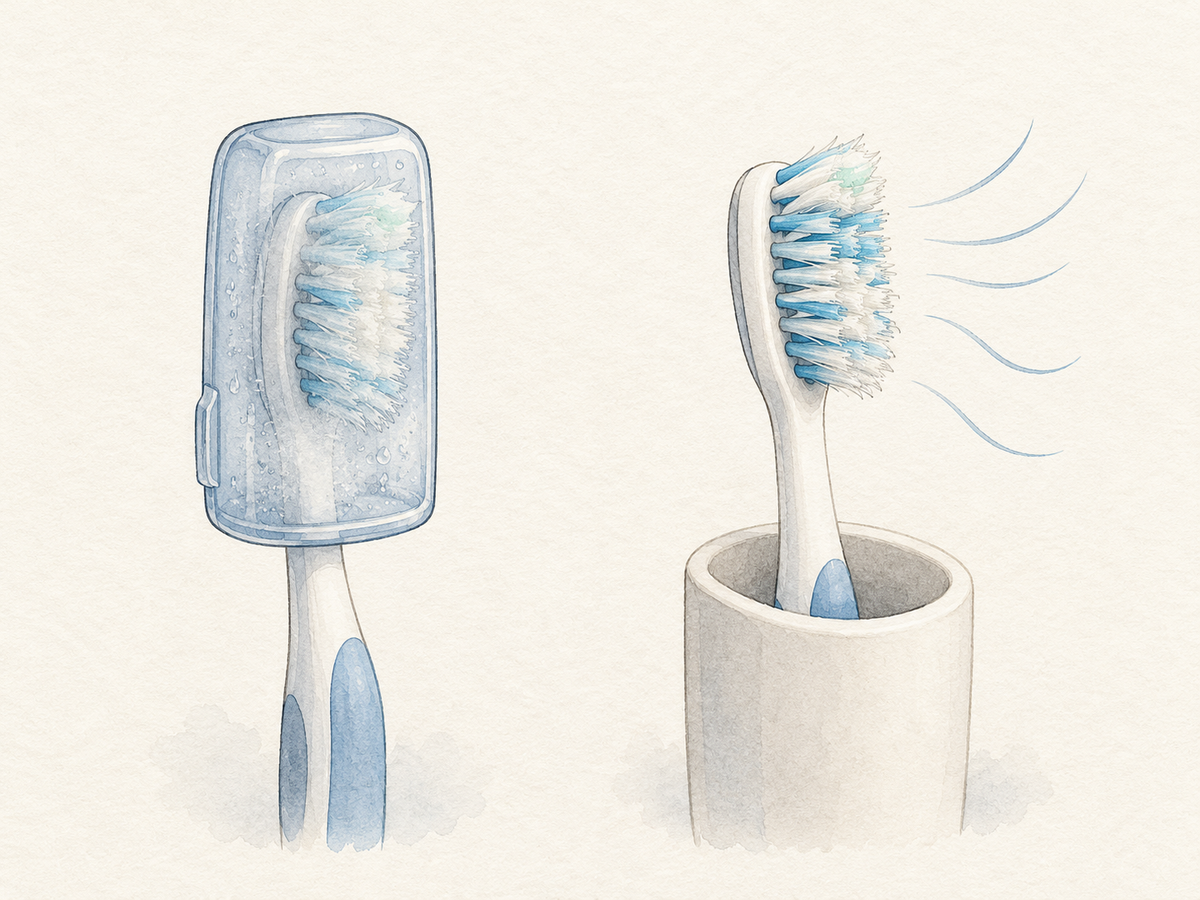
For daily bathroom storage, you probably do not need a toothbrush cover — and a snug one can work against you. A closed cap traps wetness around the bristles, which creates a warm, damp spot where germs can grow. A cover makes more sense as short-term protection during travel or in a gym bag. If you use one, choose a vented cover and take it off as soon as you arrive.
Think of a toothbrush cover like a travel case, not an everyday lid. Use it for short trips, then let the brush air out.
Why a Cover Can Work Against You
A toothbrush is not sterile even after first use. The bristles pick up germs from your mouth, and they need to dry between uses. A plastic cap can slow that down.
The problem is trapped wetness. Microorganisms — the tiny germs you cannot see — grow well in warm, damp conditions. A systematic review on toothbrush contamination found that increased humidity from a plastic cover is one factor linked to higher contamination levels.
One older lab study found that covering a brush head with a plastic cap encouraged growth of Pseudomonas aeruginosa, an opportunistic germ that can cause infection. A small later study comparing covered and uncovered brushes also did not find that a cover kept brushes cleaner.
So a cover can feel protective while doing the opposite. The goal at home is to help the brush dry, not seal it in moisture.
When a Cover Actually Helps
There are a few times when a cover is useful.
- Traveling with a toothbrush in a bag
- Carrying it in a gym bag or work kit
- Transporting it where the bristles could touch dirty surfaces
In those situations, the cover protects the brush physically. It does not sterilize it.
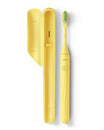
Choose a vented cover — one with air holes — so some air can move through. Keep the cover on only during transport. When you get where you are going, remove it and let the brush air-dry.
If the brush is already wet, shake it out as best you can before covering. The sooner the cover comes off, the better.
The Best Way to Store a Toothbrush
At home, simple open-air storage works best.
- After brushing, rinse the brush thoroughly with tap water to remove toothpaste and food bits.
- Shake off excess water.
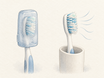
- Store the brush upright in an open holder.
- Leave space between brushes so their bristles are not touching.
- Keep the holder away from the toilet and sink splash.
Clinical guidance for basic oral care says to rinse the brush with tap water and allow it to air dry, rather than storing it in a container.
Your bathroom setup matters too. Flushing can send bacteria into the air, according to research on used toothbrushes, so keeping brushes out of the direct splash zone helps. A simple habit is to close the toilet lid before flushing. This may reduce the spray that can reach nearby brushes.
Cleaning Without Going Overboard
Your toothbrush does not need to be sterilized after every use.
The most useful cleaning step is already part of your routine: rinse the bristles well after brushing. Then shake the brush and let it dry.
The holder needs attention too, but only occasionally. If you see pooled water or a cloudy film at the bottom, wash the holder with soap and water and let it dry before putting the brushes back.
Disinfecting soaks, microwaving, or running a toothbrush through the dishwasher are not necessary for everyday use. Some disinfection methods can reduce bacteria in lab studies, but the overall certainty of the evidence is very low, according to a review of disinfection research. Heat and harsh soaks can also be hard on the bristles and handle over time.
Replacing the brush matters more than trying to make the old one germ-free.
When to Replace Your Brush
A good rule is to replace a manual toothbrush every 3 to 4 months. But the way the bristles look matters more than the calendar.
The American Dental Association recommends replacing every 3 to 4 months or sooner if the bristles are frayed, as noted in research on toothbrush wear. Replace the brush sooner if the bristles are bent or splayed out past the base of the brush head. Worn bristles do not clean plaque as well.
Two simple habits can help you remember:
- Mark a replacement date on your calendar.
- Keep one spare brush in the cabinet.
If your bristles look worn within a few weeks, you may be pressing too hard. A softer touch can help the brush and your gums.
Common Mistakes to Avoid
These habits are easy to fix.
| Avoid | Do instead |
|---|---|
| Putting a cover on a wet brush | Let it air-dry upright |
| Storing a damp brush in a closed cabinet | Use an open holder in a dry area |
| Letting a brush sit in pooled water | Empty and wash the holder regularly |
| Treating a cover as a cleaning tool | Use a cover only for transport |
| Relying on disinfectants instead of replacement | Replace the brush every 3–4 months or sooner if frayed |
A toothbrush cover is not a hygiene upgrade for daily storage. It is a travel tool. Keep your brush dry, upright, and spaced out at home, and replace it when the bristles show wear.
 Best Overall
 Best Value
 Best for Sensitive Teeth
This article has been reviewed by an oral health professional for accuracy. It is intended to provide general educational information and should not be used as a substitute for personalized medical advice, diagnosis, or treatment. If you have questions or concerns about your oral health, please consult a dentist, physician, or other qualified healthcare provider.