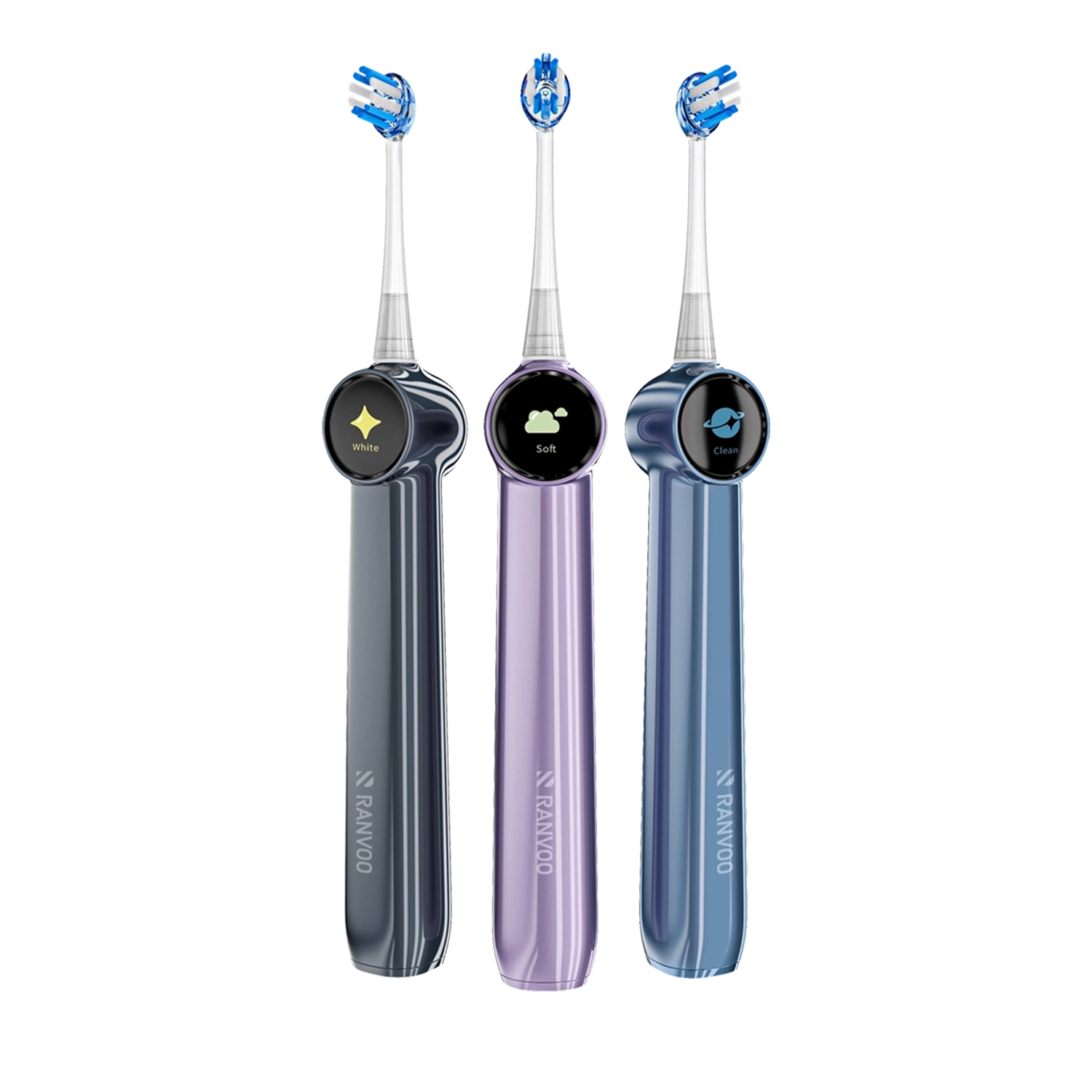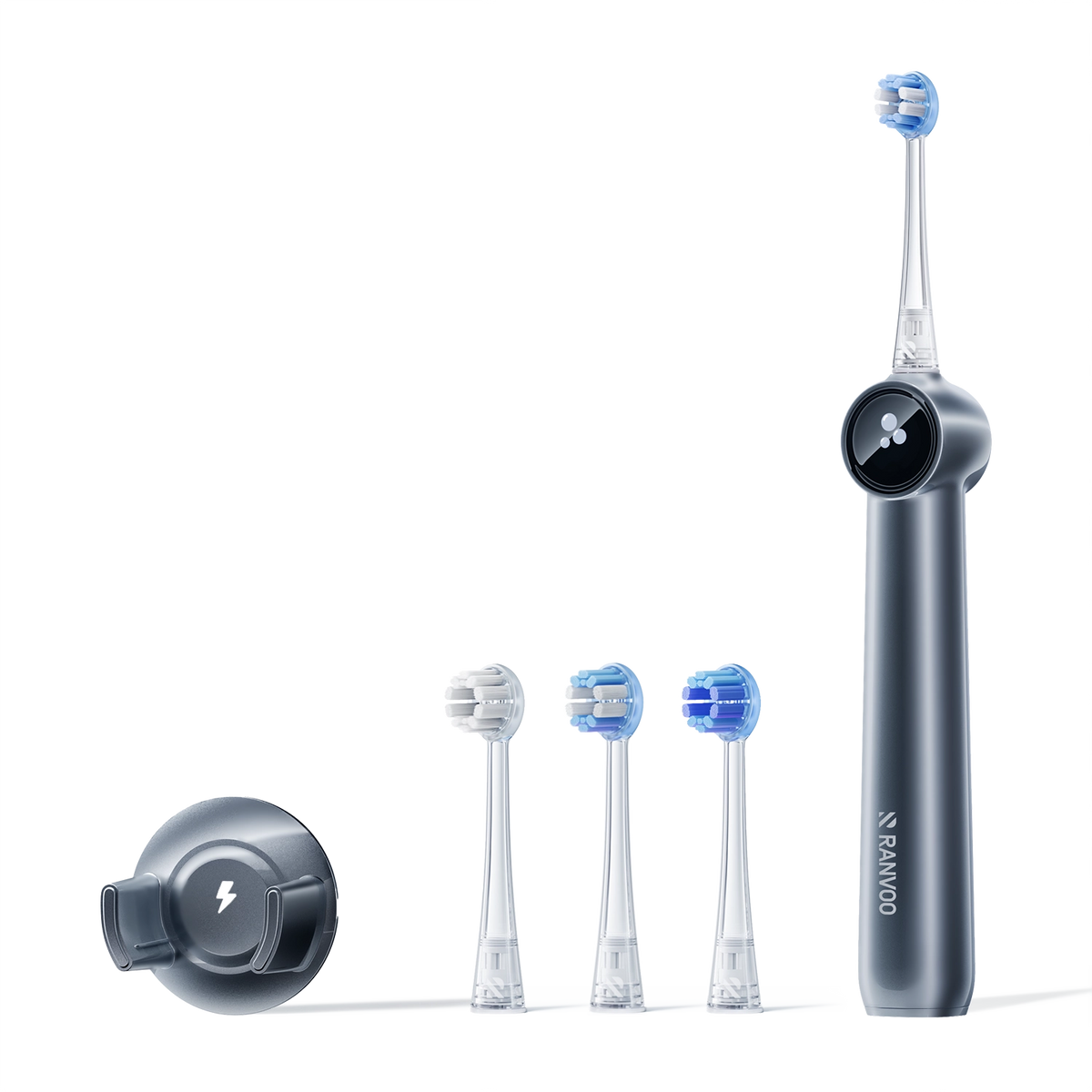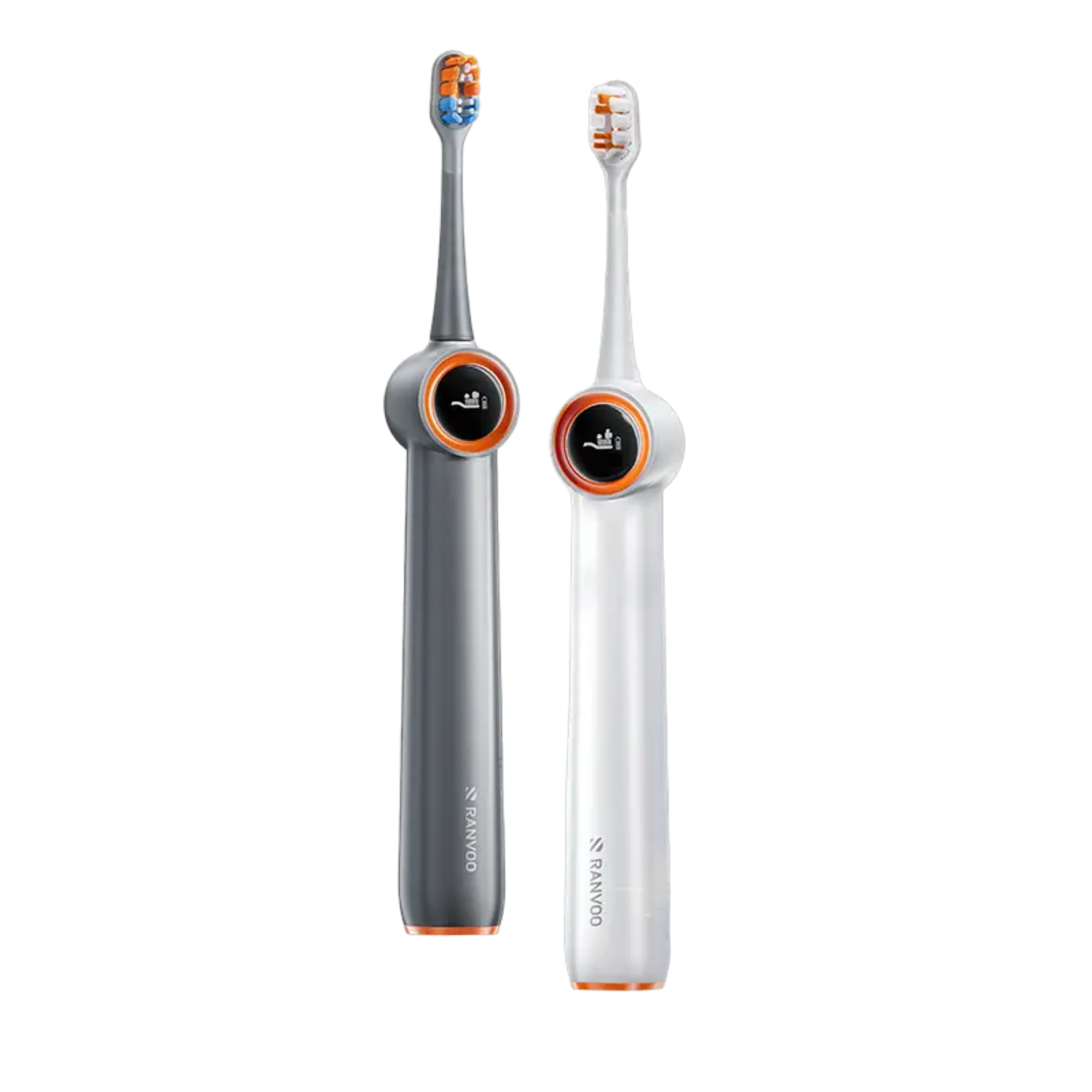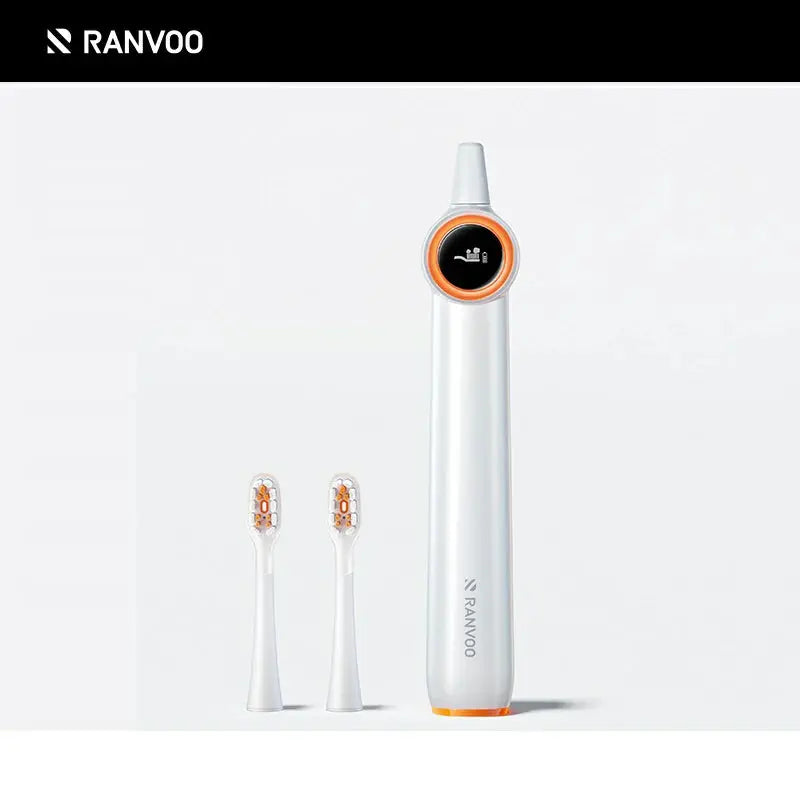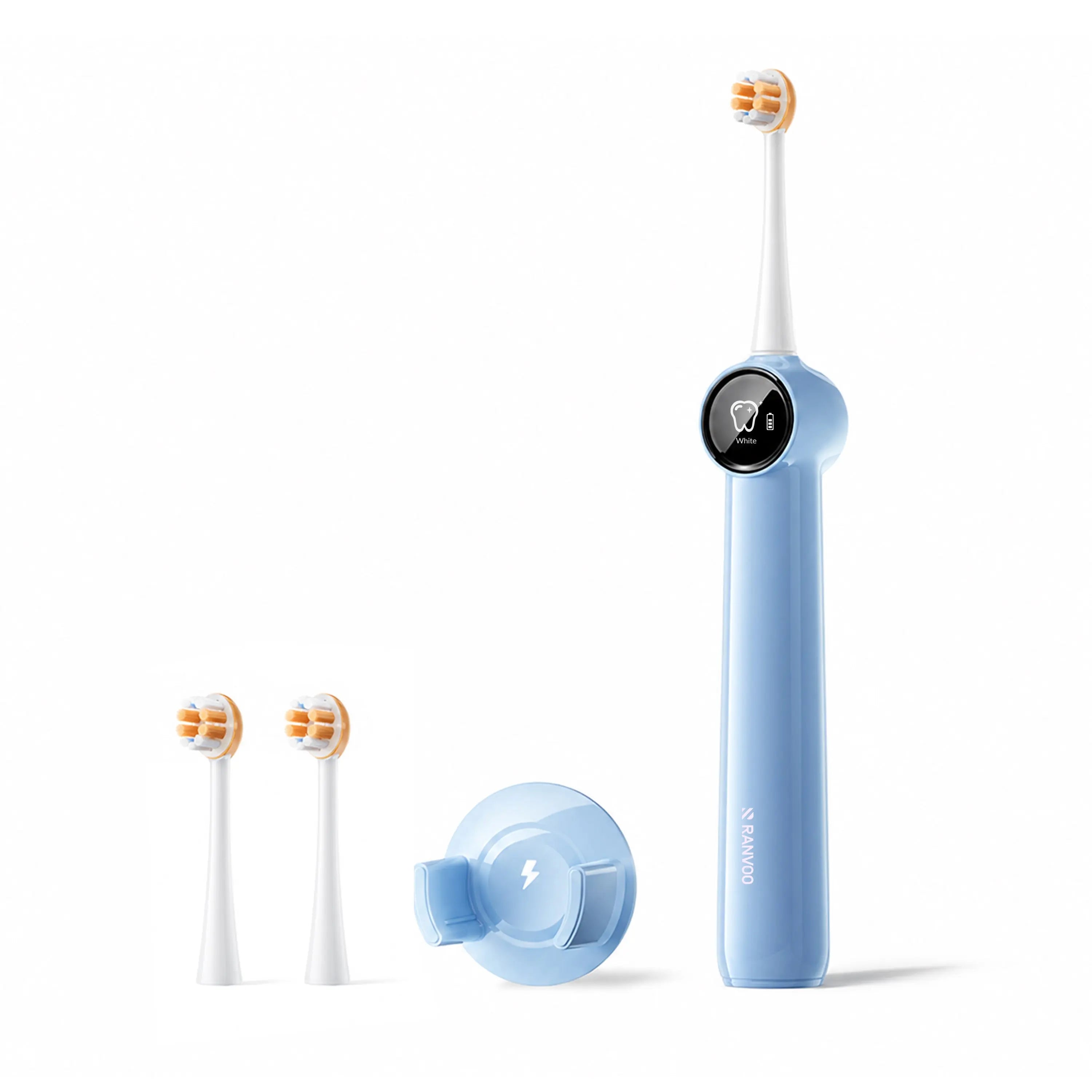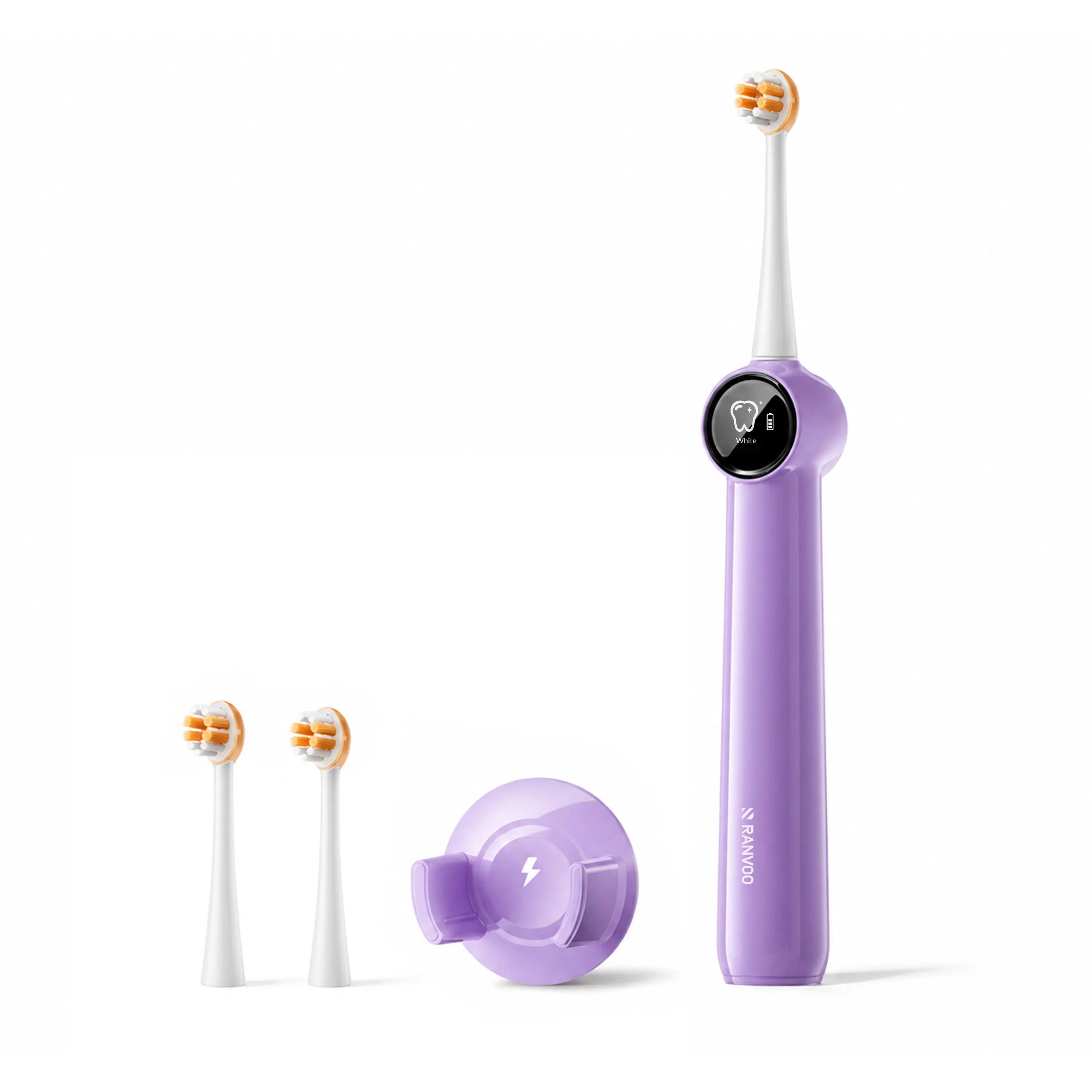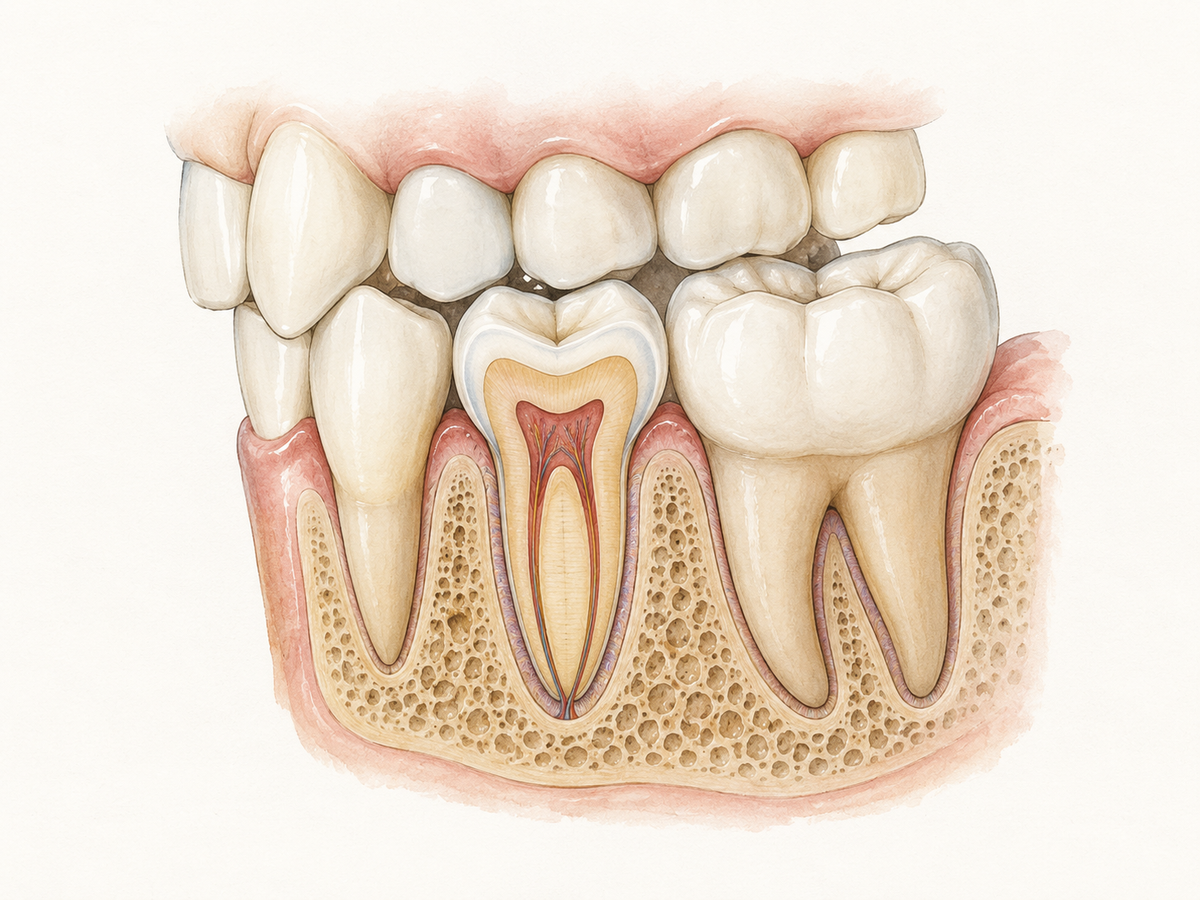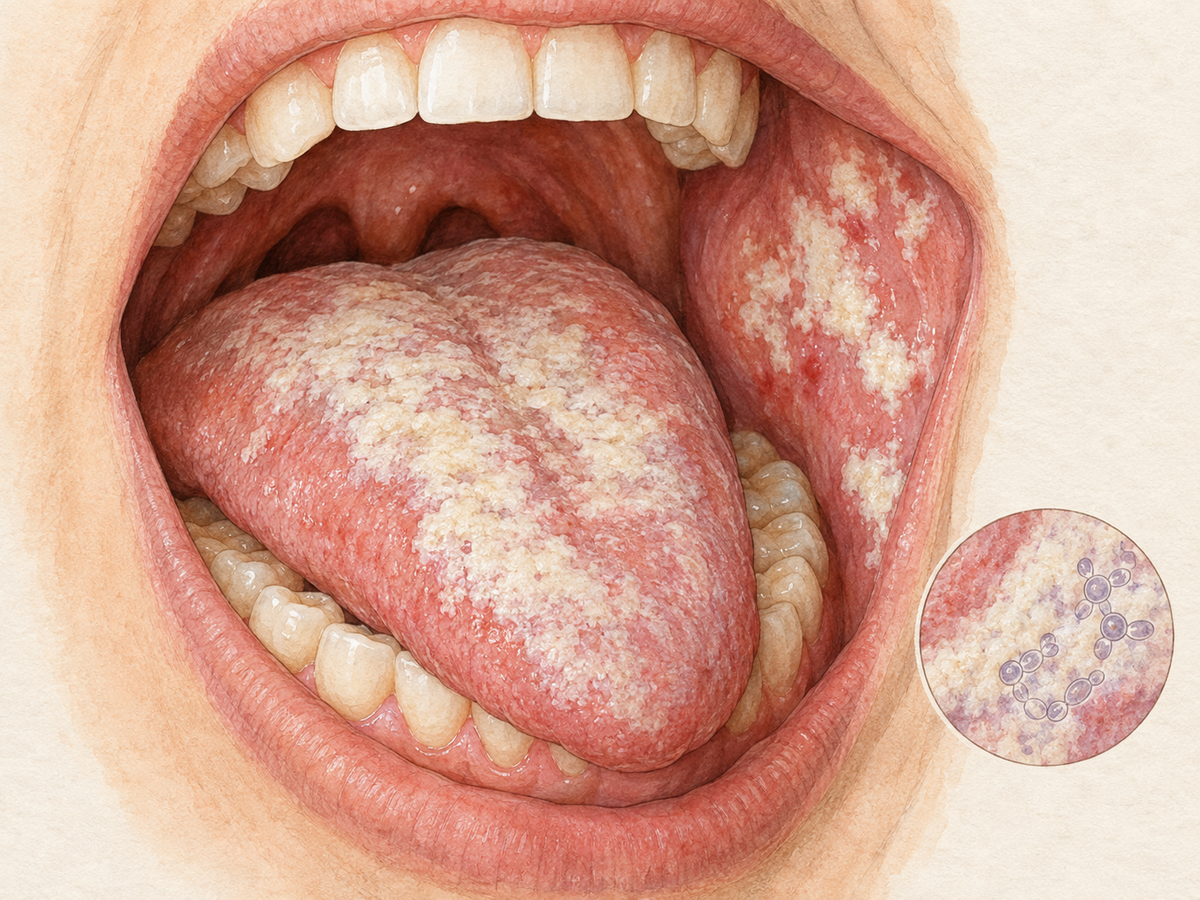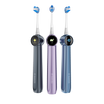
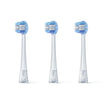
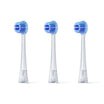
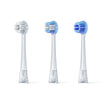



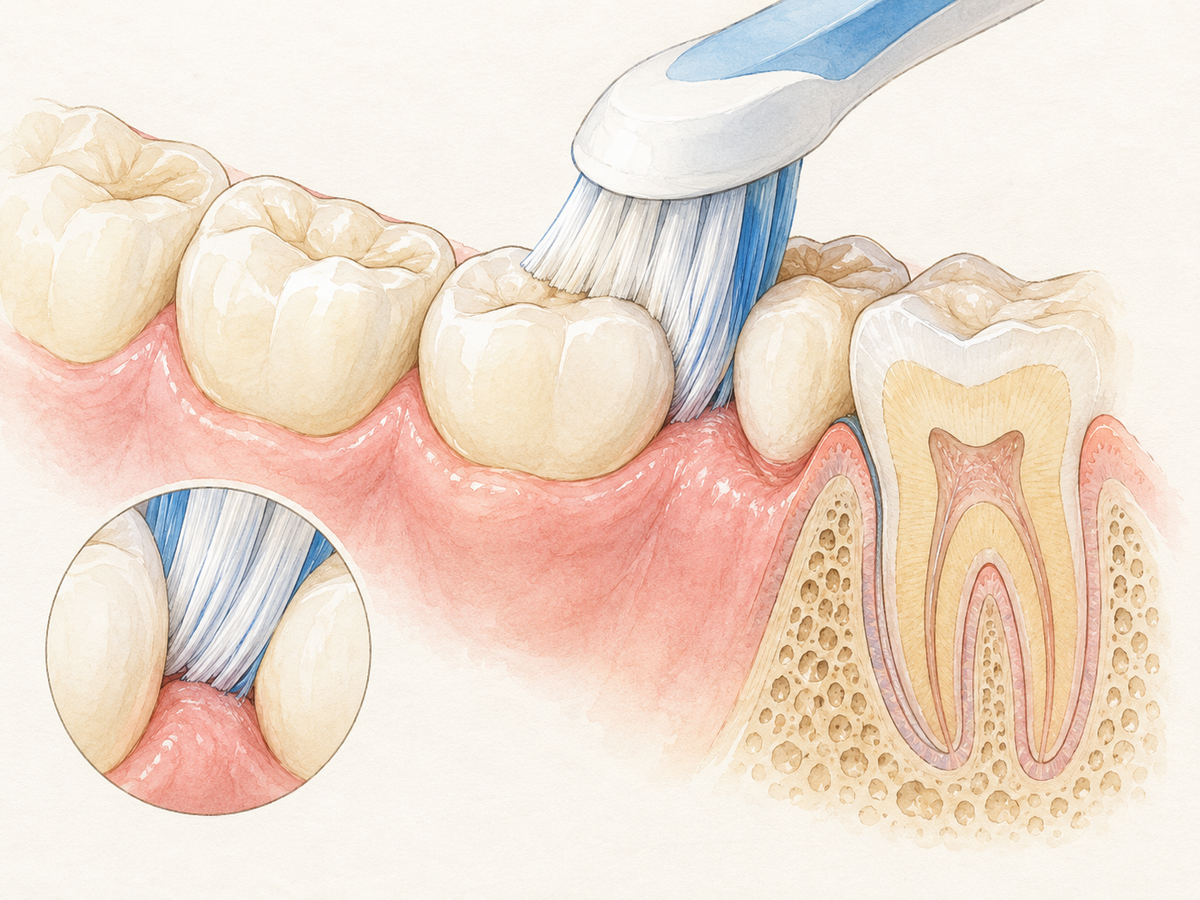
The right toothbrush is the one that fits your mouth, matches your brushing habits, and feels comfortable enough to use twice a day. For most people, that means soft bristles, a head that reaches the back teeth without straining, and a handle you can hold easily. If you rush, press too hard, or have trouble using your hands, a powered toothbrush may be a better fit.
Start With Your Mouth, Not the Label
Before comparing brands, name your main issue. Ask yourself what makes brushing harder right now.
- Bleeding gums may be a sign of gum irritation. A soft brush and gentle technique are a good starting point, but regular bleeding is worth a dental visit.
- Sensitive teeth point toward soft or extra-soft bristles.
- Crowded teeth or braces often work better with a smaller head that can reach around brackets and tight spaces.
- Kids need a child-sized head and a handle that fits small hands.
- Limited hand mobility may make a powered brush or a wider, non-slip handle easier to control.
The label, color, or price does not tell you whether a brush will work for your mouth. Fit and habits matter more.
Manual vs Electric: Match the Brush to Your Habit
A regular toothbrush works well if you brush all surfaces thoroughly for a full two minutes with gentle pressure. A powered brush can help with timing, pressure control, and reaching back areas. It is not magic, but it can reduce the work your hand has to do.
Research comparing the two has found that powered brushes tend to remove more plaque—the sticky film of bacteria that builds up on teeth—and do a bit better at reducing gingivitis, which means red and swollen gums, than manual brushes over time. Cochrane review on powered vs manual toothbrushing
The best brush is still the one you use well. Choose electric if you:
- Rush through brushing and want a built-in two-minute timer.
- Press hard and could benefit from a pressure alert.
- Have trouble reaching the back teeth.
- Have arthritis, weak grip, or limited hand movement.
Choose a manual brush if you:
- Brush thoroughly for two minutes on your own.
- Prefer full control over angle and pressure.
- Want a simple, low-cost tool.
Bristles: Soft Is the Safe Default
For most people, soft bristles are the safest default. They bend easily, which makes them gentler on the gums, and they still clean effectively.
There is a common worry: “Will soft bristles actually clean my teeth?” Yes. A soft brush with tapered-tip bristles has been shown to reduce plaque and gum inflammation. Study on a soft tapered-tip toothbrush
Stiffer bristles are rarely needed. One small study found hard-filament brushes removed a bit more plaque than soft ones, but they caused significantly more gum abrasions. Hard vs soft filament study
That trade-off is usually not worth it. If your teeth are sensitive or your gums have receded, choose soft or extra-soft. Worn, flattened, or spread-out bristles are a bigger problem than the original firmness level. Once bristles splay, the brush no longer cleans well.
Head Size and Shape: Reach Without Strain
The brush head needs to reach your back molars and the gumline, where the gums meet the teeth, without bumping your cheeks or triggering a gag reflex. If you have to stretch your mouth wide or feel the brush scraping your cheek, the head is probably too big.
- Smaller heads work well if you have a small mouth, crowded teeth, or braces.
- Larger heads can cover more surface if you can move the brush comfortably.
- For children, the head should match the size of their mouth. One study of children aged 7–13 found head sizes around 18–20 mm long and 8–10 mm wide fit many of them well. Pediatric brush head study
If brushing feels like a strain, try a smaller head.
Handle and Grip: Comfort You Can Control
The handle affects how well you can hold and control the brush for two full minutes. Look for a handle with:
- A thickness that feels secure in your hand.
- A non-slip surface or rubber grip.
- A comfortable weight.
- An angle that helps you reach without twisting your wrist.
This matters most if you have arthritis, a weak grip, or another condition that limits hand movement. Customized or enlarged handles can make brushing easier for people with limited dexterity. Customized toothbrush handle reference
For kids, a short, thick handle is easier for small hands to grip while they are learning. If the handle feels awkward, you are more likely to press too hard, skip areas, or stop early—no matter how good the bristles are.
Special Situations That Change the Choice
Some mouths need extra consideration.
- Braces: A small or orthodontic brush head can help clean around brackets and wires. You still need interdental brushes or floss threaders to clean between teeth.
- Implants: Keep the gumline around the implant clean. A soft brush and gentle technique are usually safe, but follow your dentist’s advice.
- Gum disease: A soft brush, careful gumline cleaning, and possibly an electric brush with a pressure sensor can help you clean without causing more irritation.
- Sensitive teeth: Choose soft or extra-soft bristles and avoid pressing hard.
- Kids: Pick a brush made for their age and mouth size. Parents or caregivers usually need to help until the child has the hand skills to brush thoroughly.
- Caregivers: If you brush someone else’s teeth, choose a brush you can hold and control comfortably. A wider handle or powered brush may be easier to manage.
No single toothbrush replaces flossing, cleaning between the teeth, or professional dental care.
Features and Price: Pay for Function
Some features genuinely improve technique or consistency:
- A two-minute timer helps you brush long enough.
- A pressure sensor alerts you if you are pressing too hard.
- Multiple modes may help if you need a gentler setting, but most people use only one.
- Easy-to-find replacement heads make an electric brush more practical.
Many app features, Bluetooth scores, and novelty designs are extras you may never use. They do not make up for poor brushing.
Think about long-term cost, not just the upfront price. An electric brush may cost more at first, and you still need to replace the head every three to four months. A manual brush is cheaper to replace, but it only works if you use it correctly. Pay for features that help your technique or consistency.
Try It, Replace It, Adjust It
Start with a low-risk choice. Use it for a week or two and watch for:
- Gum irritation that was not there before.
- Plaque left behind along the gumline or between teeth.
- Trouble reaching the back molars.
- A gagging feeling or cheek discomfort.
Replace the brush or head every three to four months. Replace it sooner if the bristles are frayed, flattened, or spread out. If comfort or cleanliness does not improve, switch brushes.
The right toothbrush is the one you will use correctly twice a day. That matters more than any brand, mode, or price tag.
This article has been reviewed by an oral health professional for accuracy. It is intended to provide general educational information and should not be used as a substitute for personalized medical advice, diagnosis, or treatment. If you have questions or concerns about your oral health, please consult a dentist, physician, or other qualified healthcare provider.