









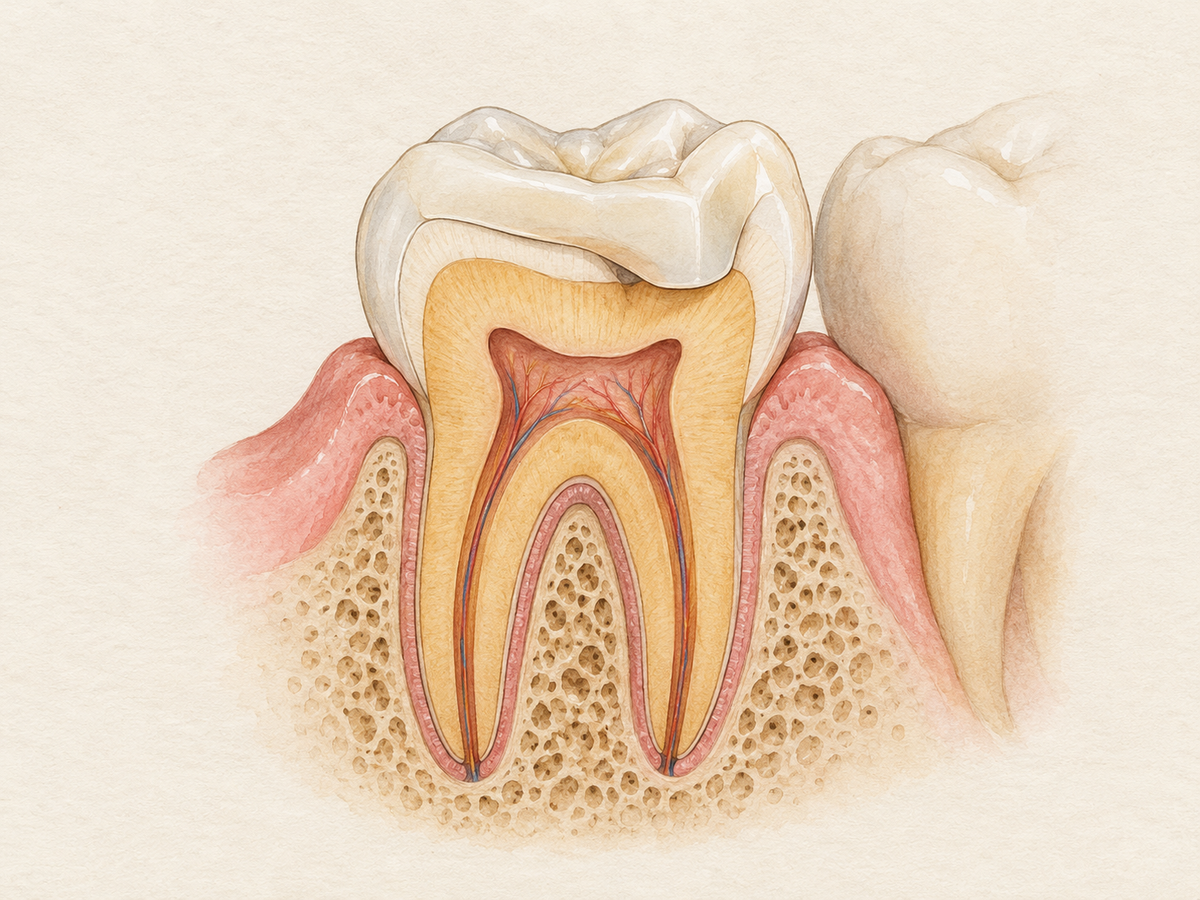
A dental onlay is a custom-made partial cap for a back tooth that is too damaged for a regular filling but still has enough healthy structure to avoid a full crown. The process usually takes two appointments: the first to remove decay, shape the tooth, and take a scan or mold; the second to bond the finished onlay in place. The tooth is numbed, so you should not feel sharp pain during preparation. Some mild sensitivity after bonding is normal and usually fades within one to two weeks.
Why an Onlay Instead of a Filling
A regular filling is packed directly into a cavity in one visit and works well for small areas of damage. But when a cavity is large or a chewing point has cracked, the tooth may not have enough healthy structure left to anchor a big filling reliably.
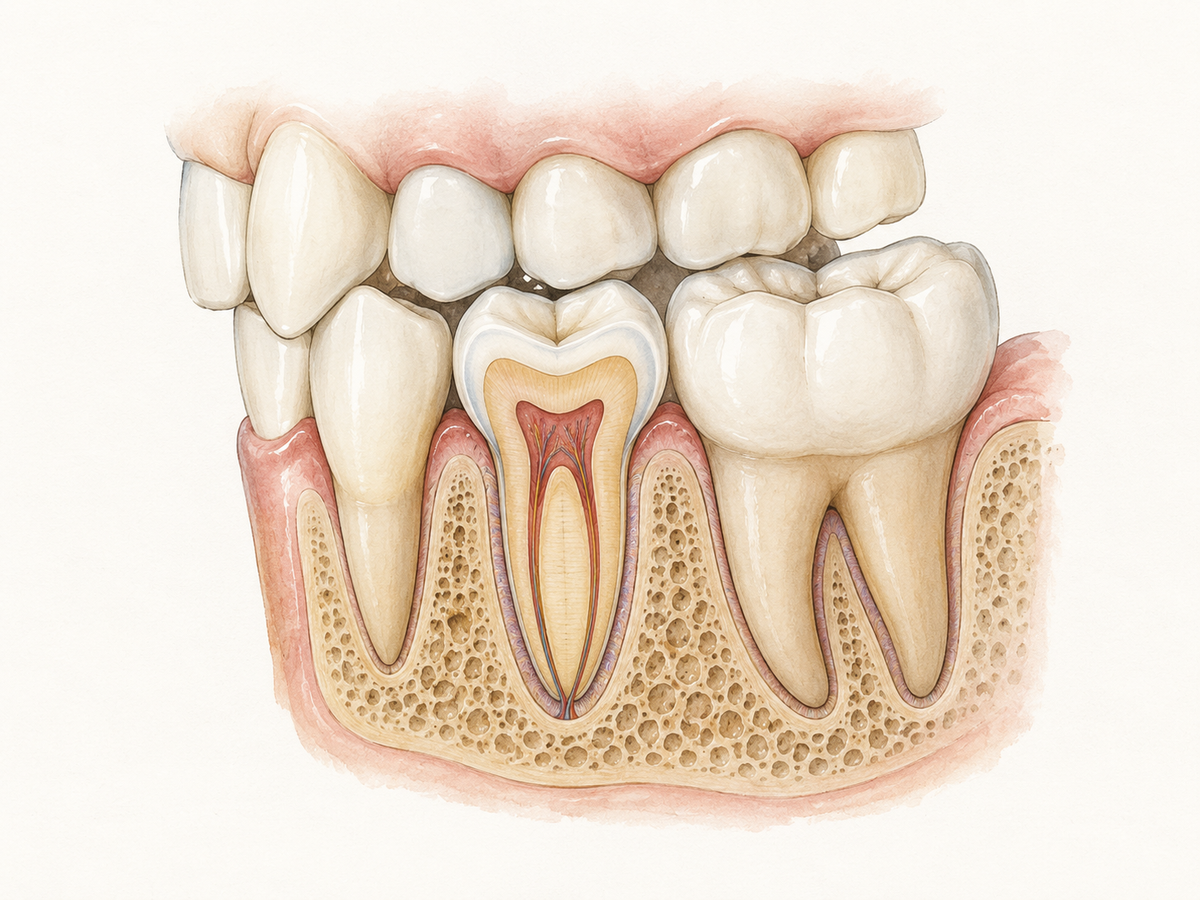
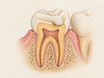
That is where an onlay can help. An onlay is a lab-made piece that covers part of the chewing surface rather than filling a hole inside the tooth. It may be a good choice when the tooth is too damaged for a filling but still has enough healthy tooth left after cleaning to avoid a full crown.
This is a middle-path restoration, not a sign the tooth is doomed. The goal is to preserve as much of your natural tooth as possible while rebuilding its strength.
Large reviews of the evidence support this approach. Indirect restorations, including onlays, tend to be preferred for larger defects, while direct fillings work well for small ones, according to an umbrella review of direct and indirect restorations. The same review emphasizes that remaining tooth structure is one of the most important factors in restoration success.
Onlay vs. Inlay vs. Crown
The difference comes down to how much of the tooth each option covers. First, a quick term: the cusps are the pointed chewing surfaces on a back tooth.
| Restoration | What it covers | Best for |
|---|---|---|
| Inlay | Fits inside the chewing surface, between the cusps | Smaller areas of decay in the middle of a back tooth |
| Onlay | Extends over one or more cusps | Decay or damage that reaches the chewing edges |
| Crown | Covers the entire visible tooth | When most of the tooth structure is already gone |
An inlay acts like a precise, lab-made filling for the inside of the chewing surface. An onlay wraps up and over at least one cusp, which helps protect the tooth from cracking further. A crown is a full cap that covers the whole visible tooth.
The common question is: “Why not just a filling or a crown?” A filling may not be enough when the damage reaches a cusp. A crown, on the other hand, removes more of the outer tooth surface. Short-term studies have found no significant difference in survival between tooth-colored onlays and full crowns in back teeth, according to a systematic review comparing onlays and partial crowns with full crowns.
Before Prep: Imaging and Numbing
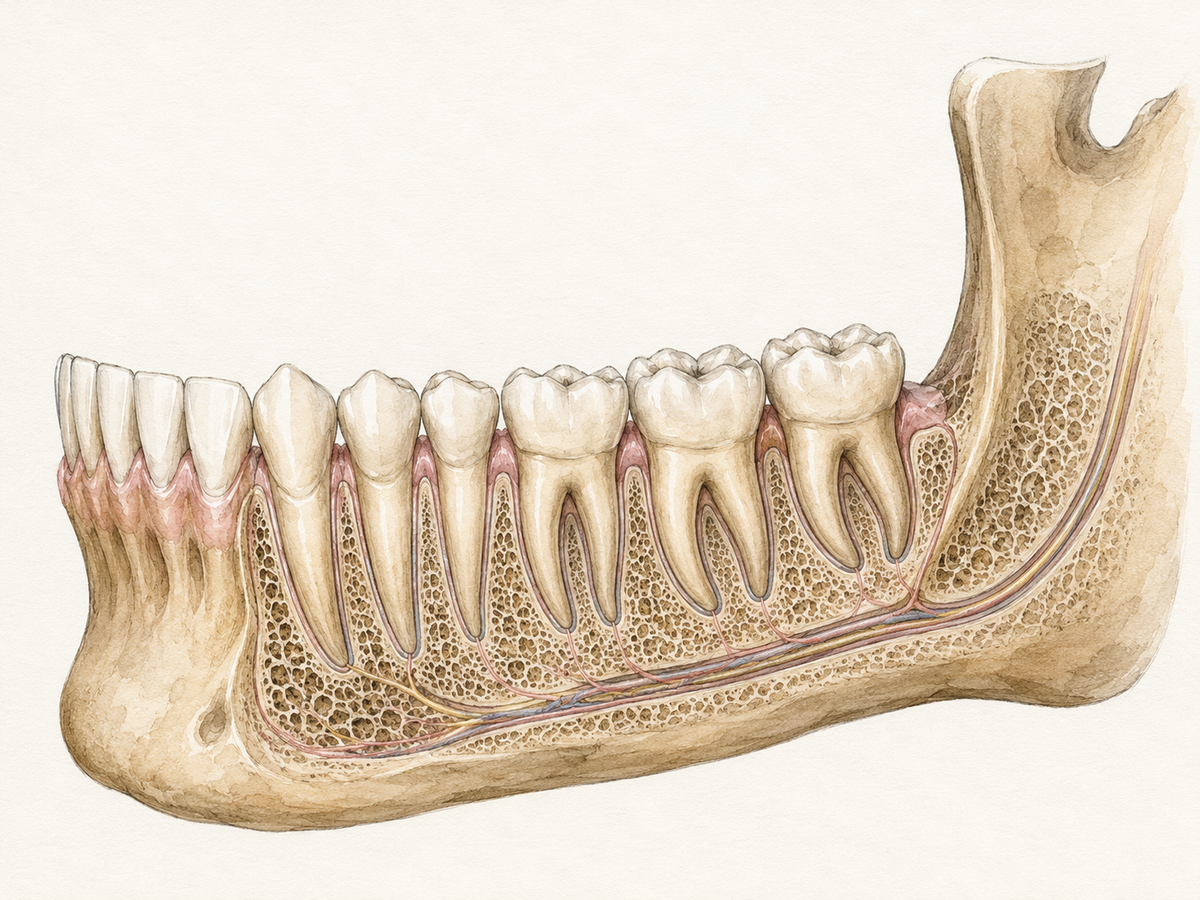
The first appointment starts with a dental exam and X-rays. These confirm that an onlay is the right choice by showing the decay, crack, root position, and bone level around the tooth.
Some offices then take a digital scan with an intraoral scanner — a small wand that records the shape of your teeth on a screen. Others use a physical mold. If the tooth color matters, the dentist picks a shade to match your natural teeth.
Before any drilling begins, the tooth is numbed with local anesthesia. You may feel the brief pinch of the injection, but then the area goes numb. If you ever feel sharp pain during the appointment, let the dentist know immediately, because more numbing medicine can often be given.
During Prep: What Happens Chairside
The tooth is already numb, so the goal is comfort. What you may feel is pressure, vibration, and occasional cold from water or air. What you should not feel is sharp pain. If you do, raise your hand or tell the dentist right away.
The prep usually follows a simple sequence:
- Remove the decay or old filling. The dentist cleans out the damaged area with a small drill.
- Shape the tooth. A small amount of healthy tooth is trimmed so the onlay can fit cleanly over the chewing surface.
- Check bite clearance. The dentist makes sure there is enough space for the onlay when you bite down.
- Take a final scan or mold. This records the prepared tooth so the dental lab can make a custom-fit onlay.
Bonded onlays do not require the aggressive mechanical features that older restorations needed. Because modern adhesion holds the onlay in place, the preparation can stay focused on removing only what is damaged and preserving more tooth structure, according to guidance on minimally invasive bonded onlays.
Temporary Onlay and Lab Wait
After the prep, the dentist usually places a temporary onlay to protect the shaped tooth while the dental lab makes your custom onlay. This often takes one to three weeks.
During this in-between period, expect the tooth to feel a little sensitive to hot or cold. Eat on the other side when you can, and avoid sticky candies and very hard foods that could pull the temporary loose.
If the temporary comes loose or falls off, call the dental office. They can re-cement it. Do not leave the tooth uncovered for long, because the prepared tooth is more exposed and may be more sensitive.
A temporary onlay is meant to protect the tooth, not survive heavy chewing. Chew on the other side and call the office if the temp comes loose.
After Bonding: First 24–48 Hours
The second appointment is usually shorter. The dentist tries in the onlay first to check the fit, then checks your bite to make sure the onlay does not feel too high when you close. Once everything looks right, the onlay is bonded with a strong dental cement and polished smooth.
When the numbness wears off, a few things are normal:
- Mild gum soreness around the treated area
- A sense of awareness of the new onlay
- Slight temperature sensitivity
In one clinical study, early sensitivity after bonding resolved by the second week without long-term problems, according to a 9-year prospective study of composite inlays and onlays.
What is not normal is a bite that feels obviously high or flossing that is painful or impossible. If you notice either, call the dentist. A quick bite adjustment can often fix it, which is also why regular follow-up is recommended by clinical consensus on ceramic and nonmetallic restorations.
Recovery Timeline and Eating
Recovery after an onlay is usually straightforward, but it helps to know what to expect.
- Day 1: Stick to soft foods. The numbness wears off, and the tooth may feel slightly tender. Avoid very hot drinks until the feeling fully returns if you were numbed.
- First week: You can gradually return to normal chewing, but keep hard or sticky foods to a minimum on that side. Mild temperature sensitivity may come and go.
- First month: Sensitivity should continue to fade. By now, chewing should feel natural.
If the onlay feels loose, or if you have ongoing sharp pain, call the dentist. These are not part of normal healing. But you do not need to be overly restrictive. Within a few weeks, most people can eat a normal diet with just a little caution on very hard items like ice or hard candy.
Oral Care and Long-Term Expectations
Caring for an onlay looks a lot like caring for a natural tooth. Brush twice daily and floss around the edges, where the onlay meets the tooth. Those margins are the most common place for plaque to collect or new decay to start.
A review of medium-term studies found that fracture was the most common reason for onlay failure, and the margins were the most common site of deterioration, according to a systematic review of direct and indirect tooth-colored onlays. That makes daily cleaning and regular checkups important.
Avoid habits that put extra stress on the restoration: biting nails, chewing ice, using teeth to open things, or grinding your teeth. If you grind at night, ask your dentist whether a nightguard would help.
How long does an onlay last? It varies, but the numbers are encouraging. Ceramic onlays in one analysis showed survival rates of 92 to 95 percent at 5 years and about 91 percent at 10 years, according to a systematic review and meta-analysis of resin and ceramic inlays, onlays, and overlays. Another overall estimate put survival at 94.2 percent, with ceramic and hybrid materials generally outperforming composite, according to a meta-analysis of ceramic, hybrid, and composite onlays.
Outcomes depend on your hygiene, bite forces, and how much healthy tooth structure remains. But onlays can often be repaired if a small problem develops. For example, a small cusp fracture can sometimes be fixed with composite without replacing the whole onlay, as seen in a 9-year follow-up study.
Risks, Costs, and Alternatives
An onlay is generally reliable, but no restoration is risk-free. The most common problems, based on clinical evidence, include:
- Fracture or chipping — the onlay itself can crack, especially with heavy bite forces.
- Debonding — the onlay may come loose from the tooth.
- New decay around the edges — plaque at the margins can start a new cavity.
- Sensitivity or a high bite — usually manageable with a quick adjustment.
- Endodontic problems — in a small number of cases, the tooth nerve may need a root canal later.
- A future crown — if the tooth weakens further or the onlay fails, a full crown may be needed later.
These risks are relatively modest. In one meta-analysis, fracture was the most common reason for failure, followed by endodontic problems, new decay, and debonding, according to a comparative evaluation of ceramic and resin partial coverage restorations.
Cost varies by office, material, and insurance. In general, an onlay costs more than a filling because it involves lab work and a second appointment; it may also cost less than a full crown because less tooth structure is removed. Before you commit, ask:
- What material do you recommend for my tooth, and why?
- Is there a warranty on the onlay?
- What follow-up visits will I need?
- What happens if the onlay fails or the tooth hurts later?
These questions will help you understand your options and plan for any costs or follow-up care. With good home care and regular checkups, many onlays last for years.
This article has been reviewed by an oral health professional for accuracy. It is intended to provide general educational information and should not be used as a substitute for personalized medical advice, diagnosis, or treatment. If you have questions or concerns about your oral health, please consult a dentist, physician, or other qualified healthcare provider.