













A numb mouth or lip can happen for many reasons, but the most common cause is temporary numbing medication used during dental work. Other causes include nerve irritation, medication side effects, blood sugar changes, and vitamin deficiencies. Sudden one-sided numbness, or numbness with facial droop, weakness, trouble speaking, or breathing problems, is different and needs emergency care right away.
Call 911 now if the numbness comes with facial droop, one-sided weakness, speech trouble, or breathing problems. Do not wait to see if it passes.
Red Flags to Rule Out First
Mild or long-standing numbness is usually not an emergency. But sudden numbness in the face or mouth can be a sign of a stroke or a serious allergic reaction.
Call emergency services right away if you also have:
- One side of the face drooping
- Weakness in one arm or leg
- Trouble speaking or understanding speech
- Sudden confusion or vision changes
- Swelling of the lips or tongue
- Trouble breathing
- Hives or itching with mouth or lip numbness
A stroke is sometimes called a “brain attack.” It classically causes sudden symptoms such as facial weakness, arm weakness, or speech difficulty, and time matters emergency stroke guidance. If one or more of these signs is new, call for an ambulance.
A serious allergic reaction, called anaphylaxis, can also cause mouth or lip numbness. It may come with swelling, hives, vomiting, or trouble breathing. Emergency guidance stresses that epinephrine is the key treatment and that emergency help should be called immediately anaphylaxis emergency guidance.
If your numbness is mild, came on slowly, or happened after dental work, the next sections can help you think through other causes.
Dental Work and Nerve Injury
The most common reason for a numb mouth is local anesthesia, the numbing medication a dentist uses before a filling, root canal, or extraction. It usually wears off within a few hours.
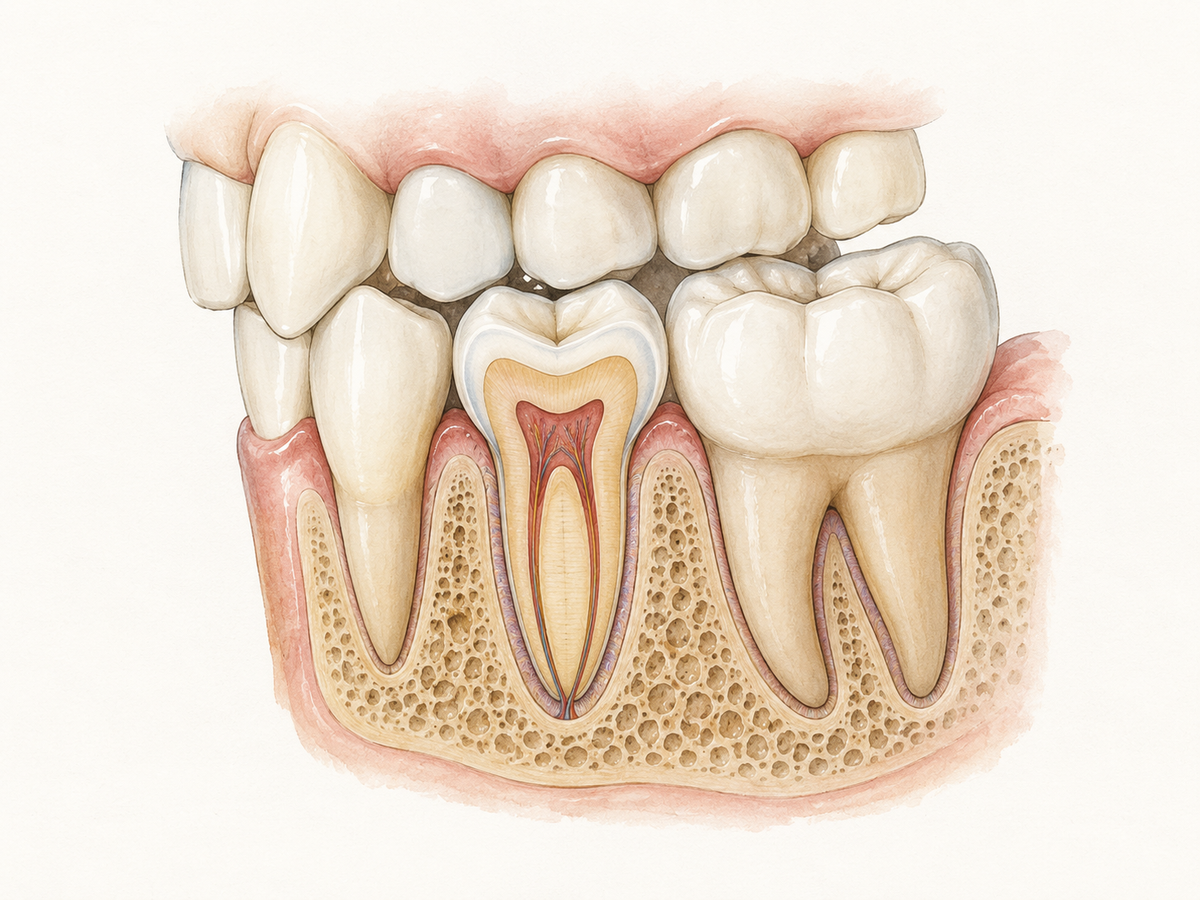
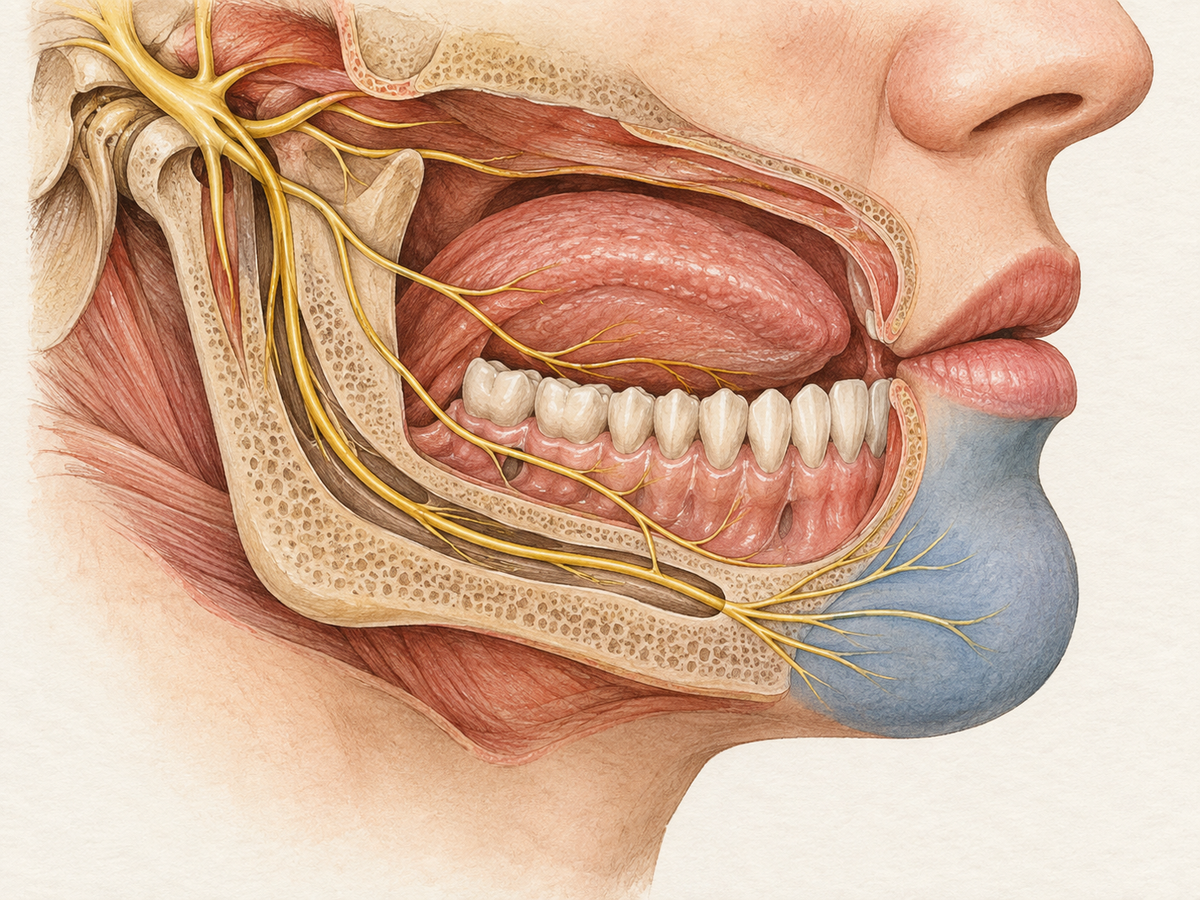
But dental procedures can also irritate or bruise nerves near the jaw. The trigeminal nerve is the main nerve that supplies feeling to the face and mouth. Procedures such as wisdom tooth removal, dental implant placement, and root canal treatment can affect branches of this nerve.
When numbness or tingling lasts longer than expected, it is called paresthesia. After a dental injection, paresthesia may affect the tongue, chin, cheek, or lower lip review of dental anesthesia adverse effects. Nerve damage from an injection is rare, and most cases improve over time nerve block anesthesia review.
Some procedures carry a higher chance of nerve irritation. Wisdom tooth removal has a reported rate of temporary nerve injury in a meaningful number of cases, though permanent damage is much less common dental nerve injury review. That means the feeling may last days, weeks, or sometimes months.
Call your dentist if:
- Numbness lasts well beyond the expected anesthesia window
- It gets worse instead of better
- You keep biting your lip, cheek, or tongue without realizing it
- You also have severe pain, swelling, or signs of infection
Stroke, TIA, and Bell’s Palsy
A stroke can cause sudden numbness on one side of the mouth or face. It often comes with other warning signs, such as weakness in one arm or leg, vision changes, or trouble speaking. The FAST check is a quick way to screen: Face, Arm, Speech, and Time FAST stroke screening.
A transient ischemic attack, or TIA, is a temporary “mini-stroke.” The symptoms may come and go, but they still need urgent medical attention. Guidelines recommend specialist review within 24 hours after TIA symptoms TIA guideline. Even if the numbness fades, do not ignore it.
Bell’s palsy is different. It is a weakness or droop on one side of the face caused by a facial nerve problem. People with Bell’s palsy may have a feeling of numbness, and some have tingling around the cheek or mouth Bell’s palsy guideline. But Bell’s palsy usually does not cause arm or leg weakness, vision loss, or trouble speaking.
The key point: new one-sided facial or mouth numbness should be checked urgently, even if it comes and goes. A clinician can help tell the difference between stroke, TIA, and Bell’s palsy.
Medication Side Effects and Allergies
Some medicines can cause tingling or numbness around the mouth or lips. Cancer medications, especially certain chemotherapy drugs, are a known cause of oral neuropathy, which means nerve-related numbness or tingling in the mouth chemo oral neuropathy. Some drugs used for seizures, blood pressure, and migraine may also change taste or sensation in the mouth drug-related oral effects.
Do not stop a prescribed medicine on your own. Tell your doctor or pharmacist if the numbness started after a new medicine or a dose change. They can review your list and decide whether an adjustment is needed.
Allergic reactions can also cause mouth or lip numbness. Some people get brief tingling or itching in the mouth after eating raw fruits or vegetables. That is called oral allergy syndrome. It is usually mild, but it can be unpleasant.
A more serious allergic reaction, anaphylaxis, can include mouth or lip numbness along with:
- Swelling of the lips, tongue, or throat
- Hives or itching
- Trouble breathing or wheezing
- Feeling faint or dizzy
Anaphylaxis is life-threatening. Call emergency services and use an epinephrine auto-injector if you have one anaphylaxis management.
Vitamin Deficiencies and Blood Sugar Problems
Low levels of certain vitamins and minerals can cause tingling or numbness in the mouth and lips. The main ones are:
- Vitamin B12
- Folate, also called folic acid
- Calcium
- Magnesium
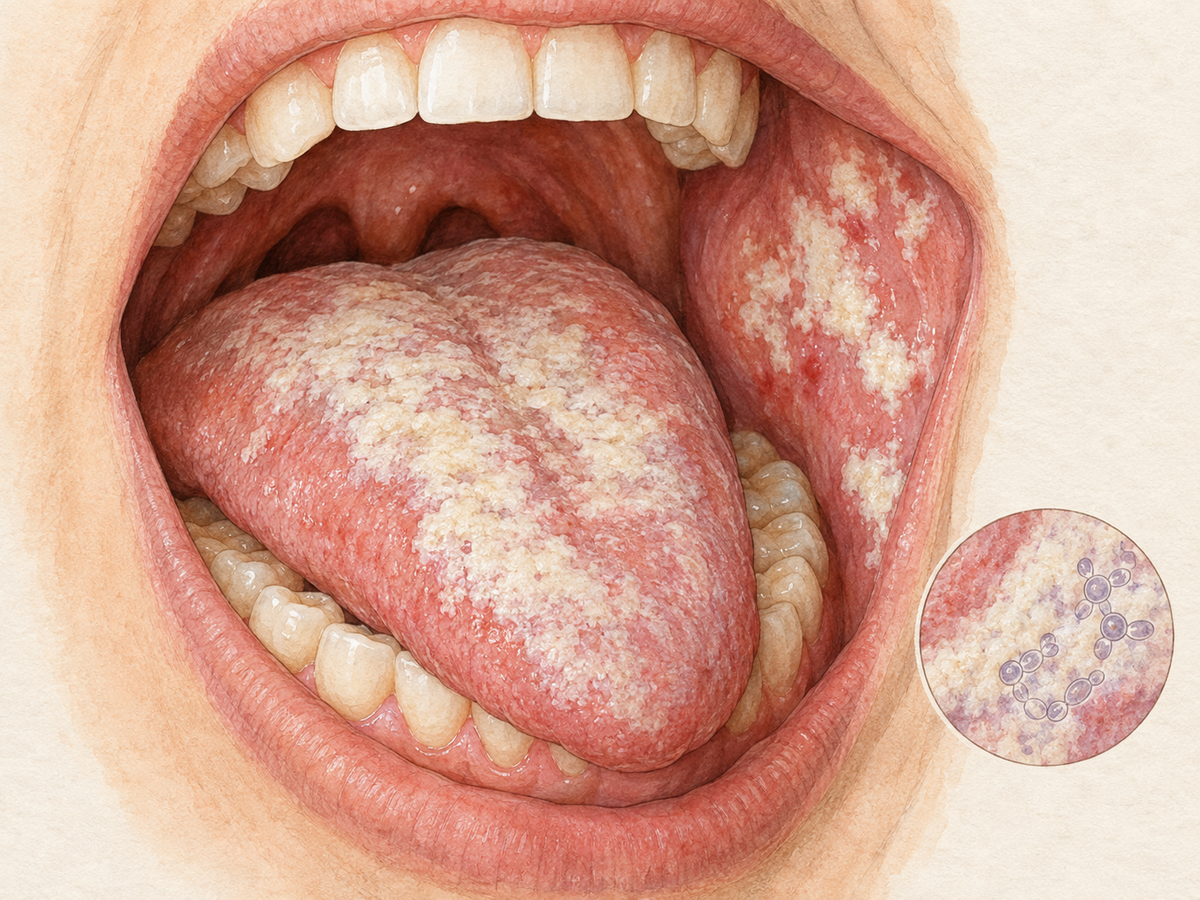
These deficiencies can happen because of diet, absorption problems, or certain medicines. For example, long-term metformin use in type 2 diabetes can lower vitamin B12 levels metformin and vitamin B12 review. Some people with low B12 or folate may also have a sore or burning tongue vitamin deficiency oral signs.
Blood sugar problems can be another cause. Diabetes can damage nerves over time, leading to tingling or numbness. Low blood sugar, called hypoglycemia, can also cause tingling around the mouth, along with thirst, fatigue, sweating, confusion, or shakiness.
Do not try to diagnose a vitamin or blood sugar problem on your own. Ask a doctor about blood tests. Lab work can confirm whether your B12, folate, calcium, magnesium, or blood sugar levels are off.
Infections, Toxins, and Neurological Conditions
Less often, a numb mouth or lip is linked to an infection, toxin, or nerve condition.
Some infections can affect the nerves around the face and mouth, including shingles, cold sores, Lyme disease, and HIV infections and nerves. These usually come with other clues, such as:
- A rash or blisters
- Fever or body aches
- Fatigue
- A known tick bite or infection exposure
Multiple sclerosis, or MS, is a nerve-damaging autoimmune disease that can cause facial numbness or tingling. It usually occurs with other symptoms, such as vision changes or problems with coordination. Heavy metal poisoning or long-term heavy alcohol use can also cause nerve-related numbness.
Keep this section in perspective. These causes are less common, and they rarely cause a numb mouth alone. A doctor can use your history, exam, and sometimes tests to sort out whether any of these are realistic.
How to Narrow Down the Cause
The pattern of your symptoms gives useful clues.
| Pattern | More likely cause | What to do |
|---|---|---|
| Sudden one-sided numbness with face, arm, or speech changes | Stroke or TIA | Call 911 |
| Numbness right after dental work | Anesthesia or nerve irritation | Call your dentist |
| Tingling with fatigue or sore tongue | Vitamin deficiency | Ask for blood tests |
| Numbness after starting or changing a medicine | Medication side effect | Review with your doctor or pharmacist |
| Numbness with rash, fever, or tick exposure | Infection-related | See a doctor |
Doctors usually narrow this down by looking at timing, medication history, dental history, and a nerve and brain check called a neurological exam. They may also use bloodwork or imaging when needed.
What to Do Next
Take a few notes before you call a doctor or dentist:
- Write down when the numbness started and whether it is constant or comes and goes.
- Note anything that makes it better or worse.
- List recent dental work, medicines, and any other symptoms.
- Check for red flags again. If any are present, call emergency services now.
- For dental-related numbness, call your dentist.
- For persistent or recurring numbness that is not clearly dental, see a primary care doctor or ask about a neurologist.
Three useful questions to ask a clinician:
- “Could this be a medication side effect?”
- “Do I need blood tests?”
- “When should I follow up or get urgent imaging?”
A numb mouth is usually not serious, especially after dental work. But the safest approach is to match the pattern to the right care. When the cause is unclear or symptoms keep coming back, let a clinician sort it out.
This article has been reviewed by an oral health professional for accuracy. It is intended to provide general educational information and should not be used as a substitute for personalized medical advice, diagnosis, or treatment. If you have questions or concerns about your oral health, please consult a dentist, physician, or other qualified healthcare provider.