
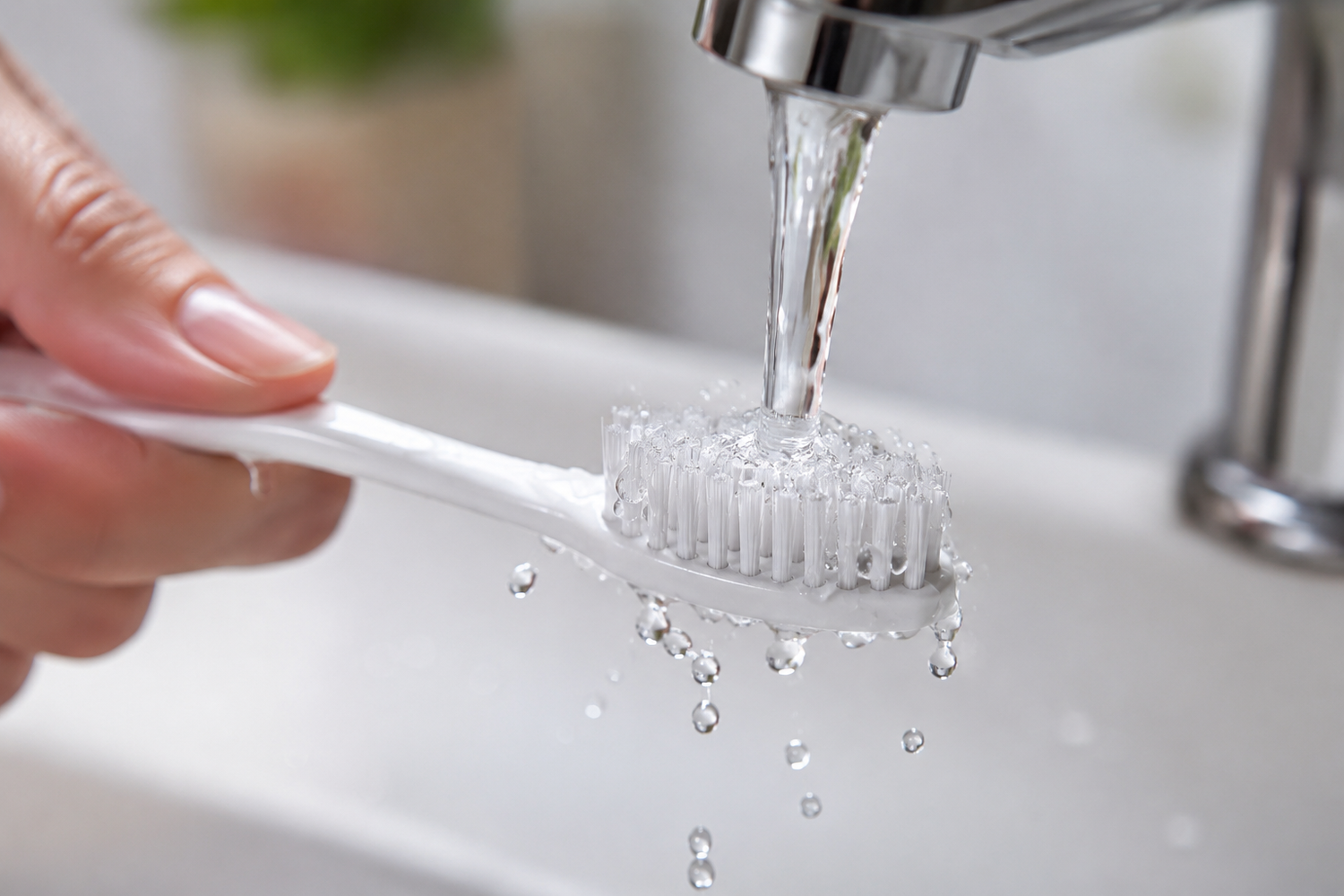
TL;DR : Que vous mouilliez votre brosse à dents avant ou après avoir appliqué le dentifrice n'a presque aucun impact sur l'élimination de la plaque dentaire. La véritable clé est de se brosser les dents deux fois par jour pendant deux minutes avec un dentifrice fluoré, et — surtout —ne pas se rincer la bouche avec de l'eau immédiatement après. Le pré-mouillage est un choix de confort personnel, pas une nécessité de santé.

Pourquoi le débat sur la « brosse à dents mouillée » est plus important que vous ne le pensez
Les réseaux sociaux regorgent de conseils contradictoires, certains influenceurs insistant sur le fait que vous ne devriez jamais mouiller la brosse pour garder le fluorure fort, tandis que d'autres disent qu'une brosse mouillée est plus douce pour les gencives. Même les sites de santé populaires se contredisent.
« Une brosse sèche augmentera la friction avec les poils tandis qu'une brosse à dents mouillée ajoute de l'humidité et, pour la plupart des gens, rend l'expérience plus agréable. » — Professeur Damien Walmsley, conseiller scientifique de l'Association dentaire britannique, via IBTimes UK
Cette simple décision matinale a déclenché un débat hygiénique à grande échelle — alors réglons-le avec de vraies preuves.
Que se passe-t-il si vous ne mouillez jamais votre brosse à dents ?
Se brosser les dents avec une brosse complètement sèche est possible, mais cela crée quelques problèmes notables :
- La rigidité des poils semble plus agressive contre les gencives et l'émail.
- Le dentifrice se répartit moins uniformément sur les surfaces des dents.
- Une production de mousse plus faible peut donner l'impression que la séance est moins « propre », même si la mousse n'égale pas l'efficacité.
- Les personnes souffrant de sécheresse buccale ou de gencives sensibles trouvent souvent cela inconfortable et peuvent raccourcir leur temps de brossage.
Cet inconfort peut conduire à un brossage précipité, c'est là que se trouve le vrai problème.
L'argument en faveur du mouillage de votre brosse à dents avant le dentifrice Avant dentifrice
Le pré-mouillage adoucit les poils et aide le dentifrice à mousser rapidement, créant une expérience de brossage plus fluide et plus agréable.
Pourquoi l'adoucissement des poils est important pour la santé des gencives
Les poils mouillés sont plus flexibles et moins susceptibles de provoquer des micro-abrasions sur l'émail ou d'irriter la ligne gingivale. Si vous vous brossez les dents de manière agressive, une brosse humide réduit la friction. Une étude clinique a révélé que les participants ne pouvaient même pas percevoir de différence dans la rigidité des filaments entre les brosses sèches et pré-mouillées, et l'élimination de la plaque restait identique à 57 % contre 58 % respectivement (International Journal of Dental Hygiene). Donc l'adoucissement est réel, mais il ne modifie pas le pouvoir nettoyant.
« Bien que le dentifrice contienne de l'eau qui fera naturellement mousser la pâte, lubrifier la brosse au préalable peut rendre l'expérience de brossage un peu plus confortable. » — Dr Lisa Creaven, Spotlight Whitening (IBTimes UK)
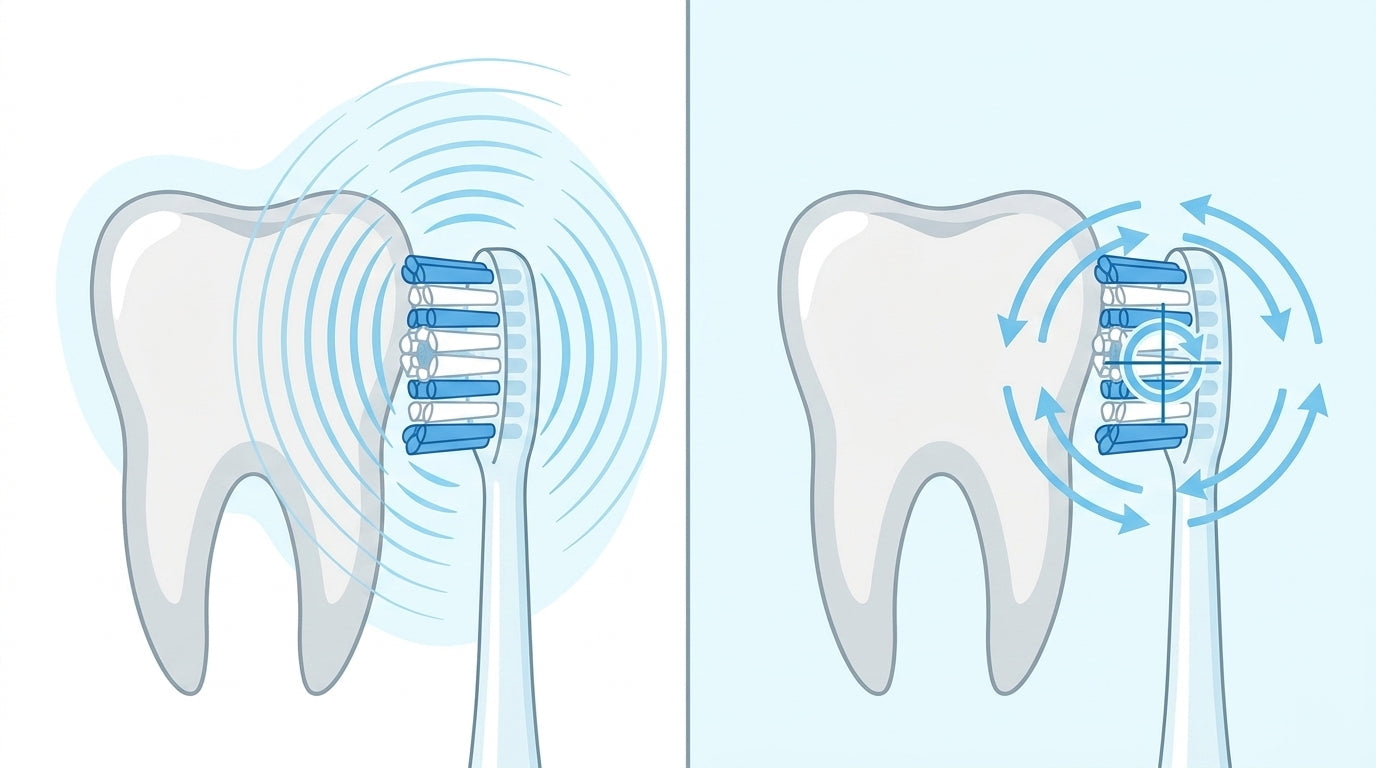
Pour ceux qui ont des dents et des gencives sensibles, ce facteur de confort est particulièrement important. Les brosses à dents électriques comme la RANVOO AirJet X5 sont conçues pour renforcer cet avantage : sa technologie de nettoyage à bulles et son capteur de pression intelligent offrent un contact doux et constant tout en prévenant le brossage excessif qui peut endommager les tissus gingivaux—ce qu'une brosse manuelle seule ne peut garantir.
Pré-humidifier dilue-t-il vraiment le dentifrice ?
Le « mythe de la dilution » est en grande partie exagéré. Un passage rapide sous le robinet n'humidifie que les poils extérieurs. La petite quantité d' eau ajoutée ne réduit pas de manière significative la concentration en fluor qui atteint vos dents. Ce qui compte bien plus, c'est ce que vous faites après le brossage.
Le cas de l'humidification de votre brosse à dents Après le dentifrice
Cette méthode est défendue par ceux qui s'inquiètent de la perte de fluor et du dentifrice qui tombe de la brosse. Les avantages rapportés incluent :
- Le dentifrice adhère mieux aux poils secs et se transfère directement sur les dents.
- Vous évitez de rincer le fluor concentré au tout début.
- Certains fabricants de brosses à dents électriques recommandent une tête sèche pour réduire les éclaboussures avant que le moteur ne démarre.
Comment l'adhérence du dentifrice protège la délivrance du fluor
Le fluor a besoin de temps de contact pour renforcer l'émail. Si le dentifrice glisse d'une brosse trempée avant même d'atteindre vos dents, vous pourriez perdre une partie de cet avantage. Cependant, une revue systématique approfondie a constaté que l'ordre d'humidification ne faisait aucune différence significative dans l'élimination de la plaque, et que le brossage à sec « ne contribuait pas de manière significative à l'efficacité de la brosse à dents » (International Journal of Dental Hygiene). Cela nous montre que bien que l'adhérence compte en théorie, en pratique, tout le processus de brossage—aidé par votre salive—crée rapidement la même pâte efficace.
Ce que la science et les dentistes recommandent réellement (Le verdict)
Le consensus fondé sur des preuves est clair : l'ordre de mouillage est une préférence personnelle, pas une règle de santé. Voici comment les deux approches se comparent :
| Critères | Mouiller avant le dentifrice | Mouiller après le dentifrice |
|---|---|---|
| Efficacité de l'élimination de la plaque | Aucune différence significative | Aucune différence significative |
| Confort des gencives | Sensation de brosses légèrement plus douces | Sensation de brosses plus fermes au début |
| Rétention du fluorure | Dilution négligeable si fait rapidement | Adhérence initiale légèrement meilleure |
| Résultat global en matière d'hygiène bucco-dentaire | Aussi efficace avec une technique appropriée | Aussi efficace avec une technique appropriée |
Rappelez-vous, l'American Dental Association souligne que la technique de brossage et la durée importent bien plus — brossez-vous les dents deux fois par jour pendant deux minutes avec une brosse à dents à poils souples, et remplacez-la tous les trois à quatre mois (ADA).
Quand et comment mouiller votre brosse à dents : la routine optimale étape par étape
Suivez cette séquence pour équilibrer confort et rétention du fluorure.
Étape 1 : Choisissez la bonne température de l'eau
Utilisez de l'eau tiède. L'eau chaude peut ramollir les poils trop rapidement et dégrader la brosse avec le temps, tandis que l'eau glacée est simplement inconfortable pour les dents sensibles.
Étape 2 : La technique du rinçage rapide
Passez brièvement la tête de brosse sous le jet, puis secouez-la fermement pour enlever les gouttes. Vous voulez des poils humides , pas une brosse trempée.

Étape 3 : Appliquez le dentifrice et commencez à brosser
Pressez une quantité de dentifrice fluoré de la taille d'un petit pois sur les poils humides. N'ajoutez pas plus d'eau. Laissez votre salive créer la consistance de mousse idéale pendant que vous brossez pendant deux minutes.
Erreurs de brossage courantes qui annulent la bonne technique de mouillage
Même la routine de mouillage parfaite échoue si vous faites ces erreurs :
- Brosser trop fort: Une brosse humide est déjà plus flexible—utilisez des mouvements circulaires doux. Un brossage agressif peut favoriser la récession des gencives. Une brosse à dents électrique avec capteur de pression, comme la RANVOO AirJet X5, peut vous aider à éviter cette erreur en ajustant automatiquement la puissance lorsque vous appuyez trop fort, protégeant ainsi vos gencives tout en offrant un nettoyage efficace.
- Oublier de brosser votre langue: Les bactéries y prospèrent, et aucune quantité de mouillage ne peut résoudre ce problème.
- Stocker votre brosse humide et fermée: Rincez toujours soigneusement la brosse après utilisation et rangez-la debout pour qu'elle sèche à l'air libre, réduisant ainsi la croissance bactérienne.
- Utiliser une vieille brosse à dents: Les poils effilochés ne nettoient pas bien, quelle que soit la façon dont vous les mouillez. Remplacez-la tous les trois mois.
Le piège du rinçage après le brossage (et comment le résoudre)
La conseillère de l'ADA dit explicitement : crachez, ne rincez pas. Si vous rincez avec de l'eau immédiatement après le brossage, vous éliminez le fluorure concentré laissé sur vos dents. Cette habitude affecte la prévention des caries bien plus que l'étape initiale de mouillage ne le pourrait jamais (ADA News). Pensez-y de cette façon : quelques gouttes d'eau supplémentaires au début sont inoffensives ; un rinçage complet à la fin est le véritable coupable.
Où aller à partir d'ici : Élaborer une routine de soins bucco-dentaires complète
Pour résumer, la séquence idéale de mouillage de la brosse à dents est : un rinçage rapide sous l'eau tiède, secouez l'excès, appliquez le dentifrice fluoré, brossez pendant deux minutes, puis crachez—sans rincer.
Respectez cette simple liste de contrôle quotidienne : - Brosse à dents à poils souples, remplacée tous les 3-4 mois - Petit pois de dentifrice fluoré - Brossage circulaire doux pendant deux minutes - Cracher, ne pas rincer - Utiliser le fil dentaire avant de se coucher et nettoyer votre langue régulièrement
Les petites décisions comme l'ordre du mouillage comptent moins que la régularité. Pour des conseils personnalisés—surtout si vous avez la bouche sèche, une récession des gencives, ou si vous utilisez une brosse à dents électrique—demandez à votre dentiste de vous montrer la technique qui convient le mieux à votre bouche. Votre sourire vous remerciera.



Laisser un commentaire
Ce site est protégé par hCaptcha, et la Politique de confidentialité et les Conditions de service de hCaptcha s’appliquent.