


A broken tooth needs a dentist’s care, but the urgency depends on the break. A small chip without pain can usually wait for a routine appointment. If a large piece is broken off, there is bleeding, pain, or a tooth is knocked out, seek urgent dental care right away.
Remember: Never force a broken piece back into place or try to glue it. Gentle first aid and protecting the tooth are your main jobs until you see a dentist.
Assess the Break
Start by looking at what happened. This helps you decide whether to call for a same-day appointment or wait a day or two.
- A small chipped tooth with no pain and no sharp edge is usually less urgent.
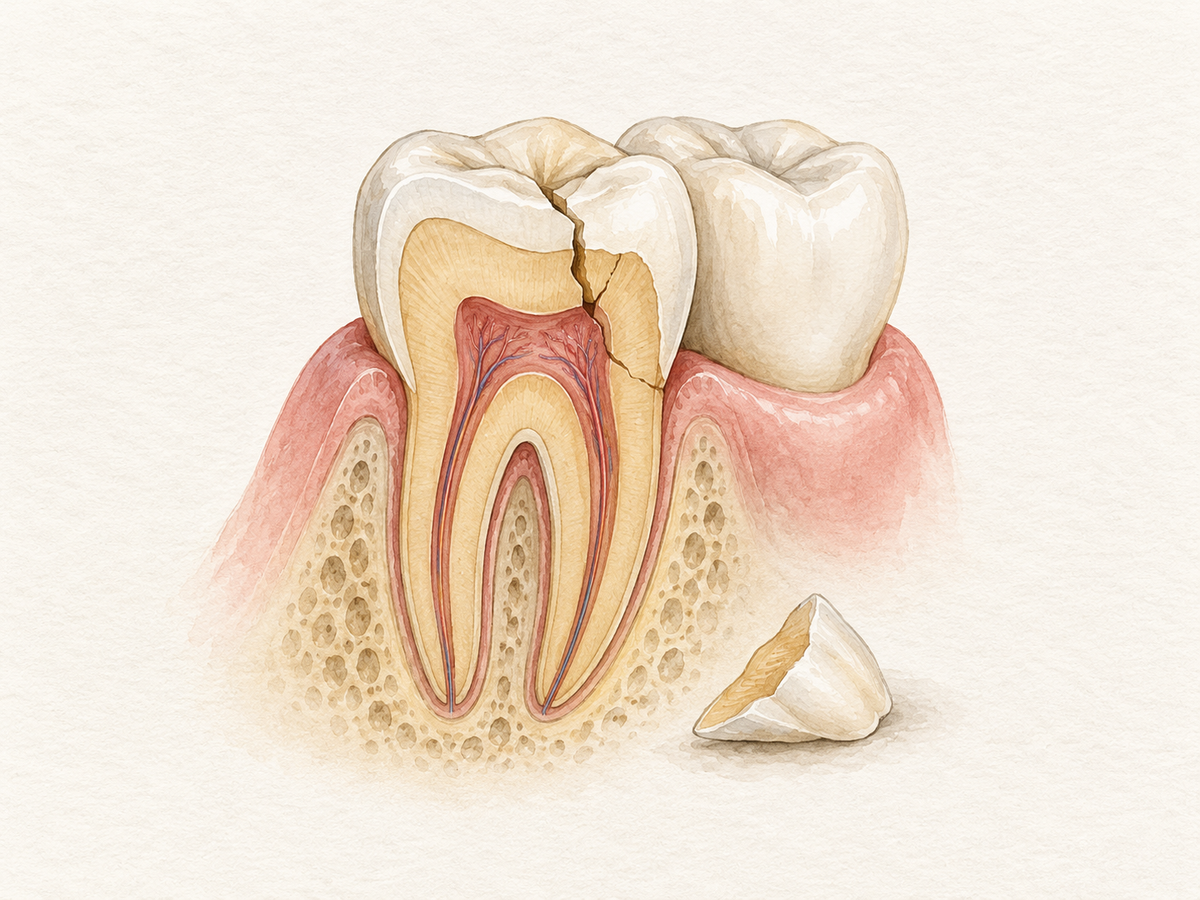
- A visible crack in the tooth can be trickier. Cracks may not hurt at first but can worsen over time.
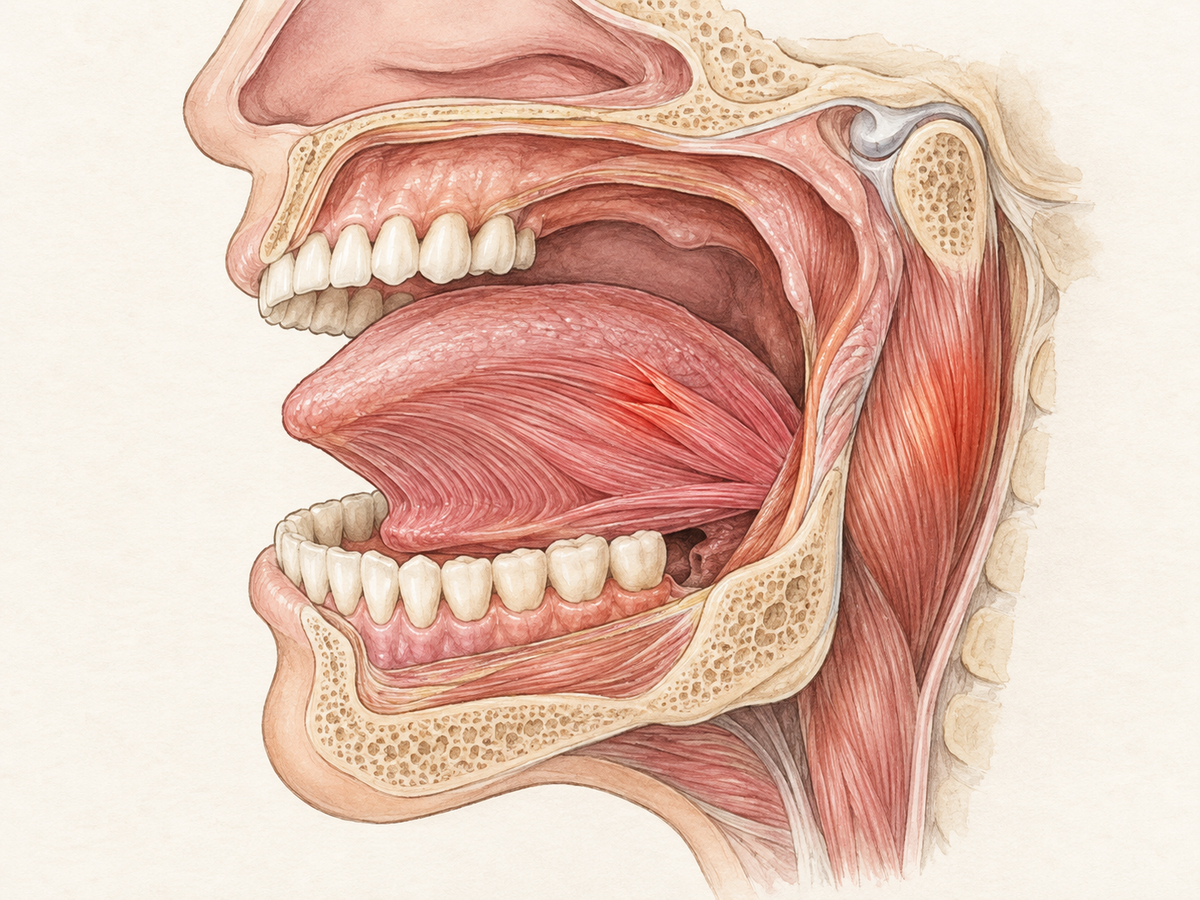
- A broken tooth with pain or bleeding may mean the inner nerve tissue, called the dental pulp, is exposed.
- A tooth completely knocked out, called avulsion, is a dental emergency that needs immediate care.
Bleeding from the mouth or exposed nerve tissue raises the urgency. Dental trauma triage means quickly sorting the injury by severity. In plain language, that means deciding whether this can wait for a routine visit or needs urgent care today.
First Aid Right Away
Stay calm. These first steps help protect the tooth and the tissues around it.
If there is bleeding
- Press clean gauze gently against the area for a few minutes.
- Do not keep checking every few seconds. Steady pressure works best.
- Once bleeding is controlled, you can rinse gently with warm salt water.
Control swelling
- Apply a cold pack to the outside of the cheek or lip near the injury.
- Do this for short periods, such as 10 to 15 minutes at a time.
What not to do
- Do not touch an exposed nerve or root. These areas are very sensitive.
- Do not wiggle a loose or injured tooth. Keep it as still as possible.
- Do not try to push broken pieces of tooth back together or force them into place.
A systematic approach to dental injuries matters because it helps catch other problems, such as face or jaw injuries, at the same time source.
Save the Tooth or Pieces
If a piece of tooth broke off, save it. A dentist may be able to reattach it.
Handling a broken piece
- Pick it up by the top of the tooth, called the crown, not the root.
- Rinse it very gently with milk, saline, or water. Do not scrub it.
- Put the piece in milk or saline. If the piece may be reattached, keep it moist until you see the dentist.
If a permanent tooth is knocked out
A knocked-out adult tooth is one of the few true dental emergencies. Time matters.
- Find the tooth.
- Hold it by the crown, not the root.
- If it is dirty, rinse it gently with milk, saline, or the person’s own saliva. Water is a last resort.
- If possible, place the tooth back into the socket immediately. Have the person bite gently on gauze or a clean cloth to hold it in place.
- If you cannot replant it, store it in milk. Saline can also work. The goal is to keep the root from drying out.
- Get to a dentist or emergency clinic as soon as possible, ideally within 30 to 60 minutes.
Clinical guidance on knocked-out teeth recommends immediate replantation when possible and milk or saline as good transport options source. Another review found milk is a practical and effective storage choice for preserving the root’s outer cells source.
Pain and Swelling Control
Pain control is important, but do it safely.
What helps
- Over-the-counter pain relievers can be used as directed on the label.
- Non-opioid options such as ibuprofen or acetaminophen are first-line choices for dental pain when they are safe for you, according to clinical guidance on dental pain.
- Continue using a cold compress on the outside of the face for swelling. Cold is better than heat for a fresh injury.
What to avoid
- Do not place aspirin directly on the gum. It can burn the tissue.
- Do not put ice directly on exposed tooth structure. It can make nerve pain worse.
- Do not apply heat to the face. Heat can increase swelling.
If you develop a fever or swelling that spreads, this changes the situation. You need urgent evaluation, not just home pain control.
Avoid DIY Fixes
Some temporary measures are okay. Many are not.
Safe temporary steps
- Use dental wax over a sharp or rough edge to protect your cheek or tongue.
- Avoid chewing on the injured side.
- Stick to soft foods until you see a dentist.
Unsafe DIY approaches
- Do not use superglue or other household adhesives on a tooth.
- Do not pack cotton into a broken tooth.
- Do not try to make a DIY filling at home with household materials.
Some over-the-counter temporary dental cement products exist, but they should never delay professional care. One case report showed a patient who tried to fix a dental problem with superglue ended up with serious tissue damage source. “Do it yourself” dental work can cause harm that is much harder to treat than the original break.
Urgent Care Red Flags
Know when to skip home care and call for help.
Call an emergency dentist for:
- Bleeding that will not stop after several minutes of pressure
- Very bad tooth pain that is not controlled by basic pain relief
- An exposed nerve
- A tooth pushed into the gum
- A knocked-out permanent tooth
Go to an emergency room if you have:
- Trouble breathing or swallowing
- Swelling in the face or neck that is getting worse
- Signs of a broken jaw, such as pain in the jaw, an uneven bite, or difficulty opening the mouth
- A head injury, loss of consciousness, or vomiting
The key difference is simple: tooth problems usually go to an emergency dentist, but whole-body or airway problems go to the ER. If swelling is making it hard to breathe or swallow, do not wait.
What the Dentist Will Do
The dentist will examine the tooth and likely take an X-ray to see the damage below the gum line. The X-ray helps check the root and surrounding bone.
Based on what they find, treatment may include:
- Smoothing: Buffing down a small rough spot
- Dental bonding: A tooth-colored material used to rebuild a small chip
- Dental crown: A cap that covers and protects a larger break
- Root canal treatment: Used when the inner nerve tissue is damaged or infected
- Extraction: Removing the tooth if it cannot be saved
- Replantation: Putting a knocked-out tooth back into place
Most broken teeth can be treated. Getting care early improves the chance of saving the tooth. Cracks can be more unpredictable, but many cracked teeth still survive with appropriate treatment source.
Prevent the Next Break
Once the tooth is treated, a few habits can reduce the risk of another break.
- Avoid chewing ice or very hard foods such as hard candy or popcorn kernels.
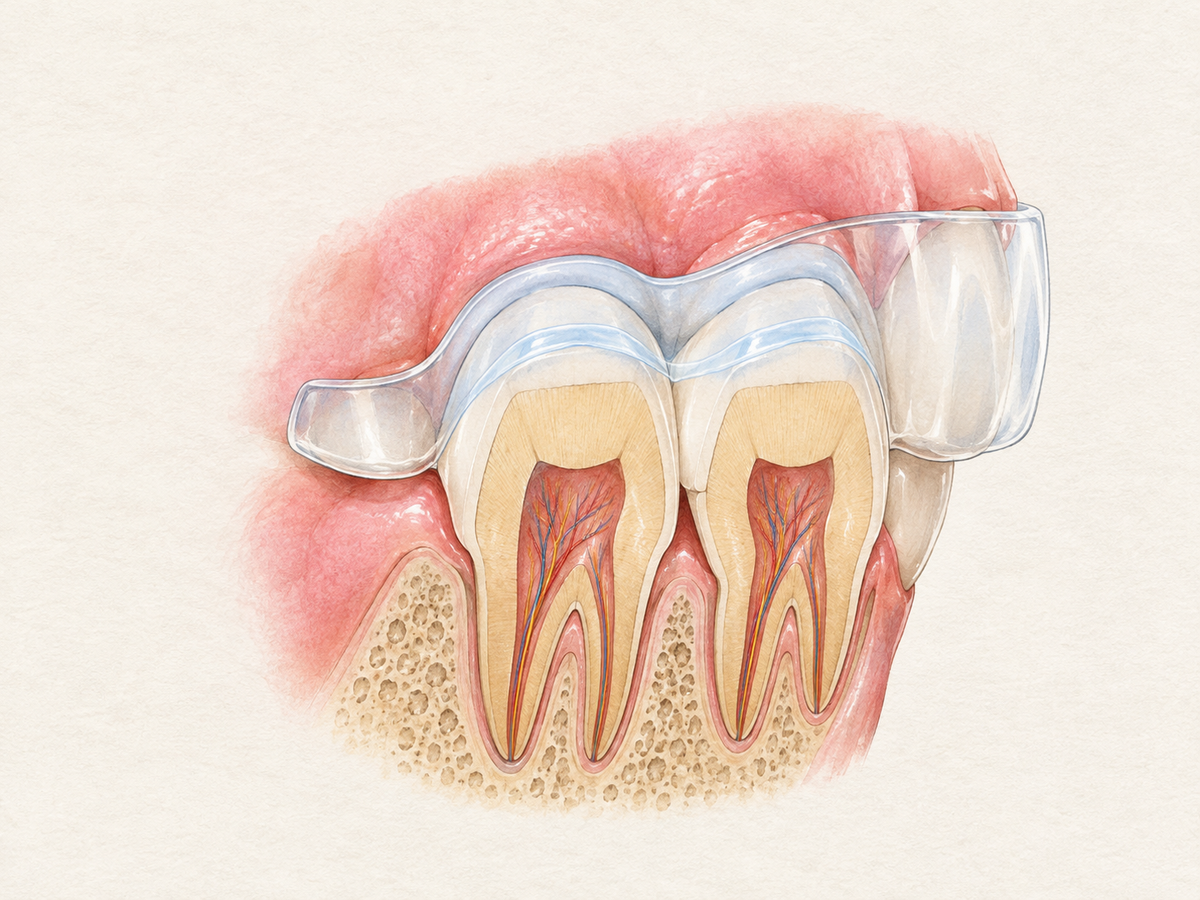
- Wear a night guard if you grind or clench your teeth. Grinding, known as bruxism, is linked to cracks and fractures source.
- Use a sports mouthguard for contact sports or activities with a risk of falls.
- Stop using your teeth as tools. Do not open packages, bottles, or bags with your teeth.
A well-fitting mouthguard lowers the risk of dental injuries in sports, according to prevention guidance for athletes. The best mouthguard is one that fits well and stays in place during activity.
Bottom line: Treat a broken tooth based on how severe it is. For a small chip, protect the edge and call your dentist. For severe pain, heavy bleeding, a knocked-out tooth, or spreading swelling, get urgent care. Early treatment gives the tooth its best chance.
 Best Overall
 Best Value
 Best for Sensitive Teeth
This article has been reviewed by an oral health professional for accuracy. It is intended to provide general educational information and should not be used as a substitute for personalized medical advice, diagnosis, or treatment. If you have questions or concerns about your oral health, please consult a dentist, physician, or other qualified healthcare provider.