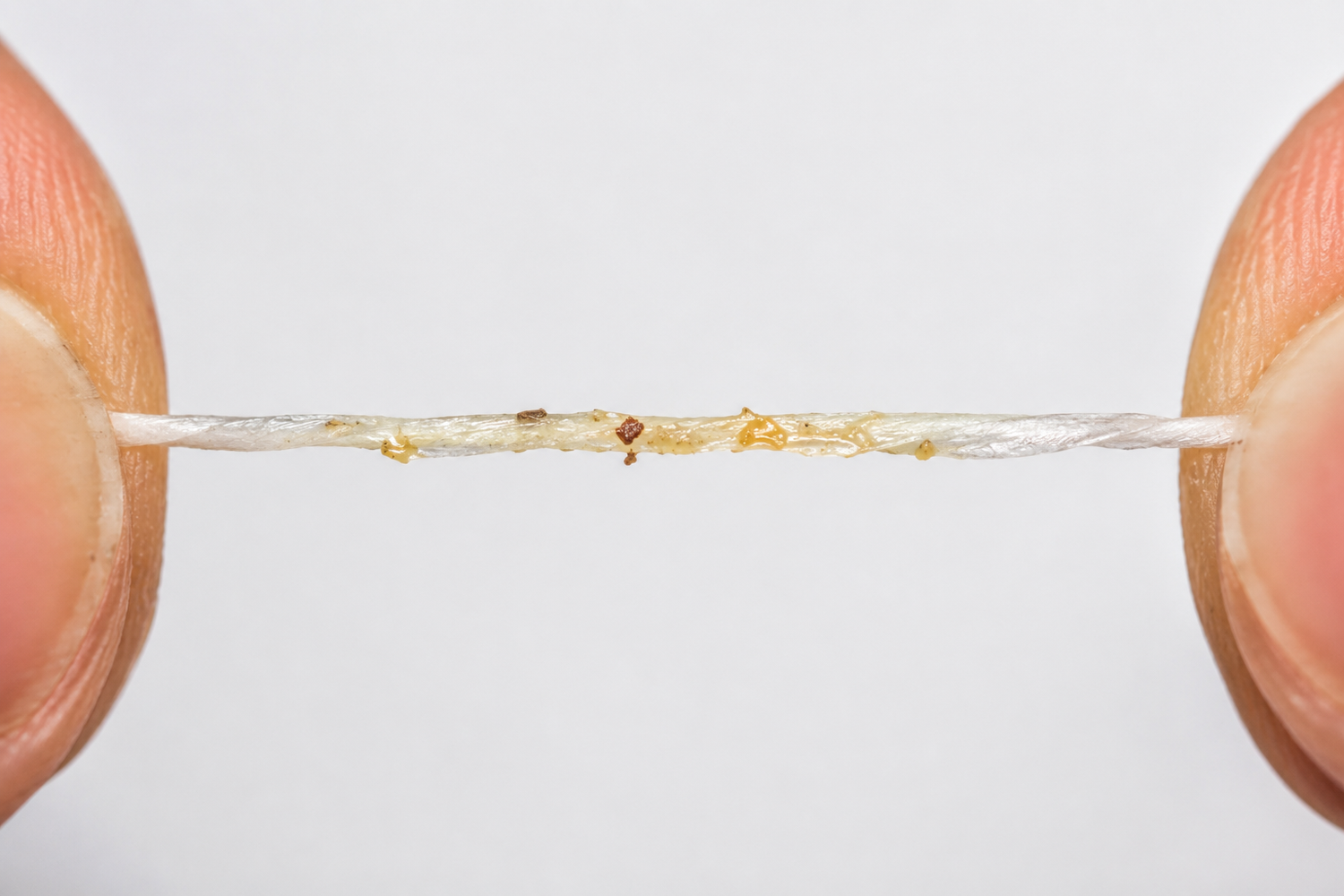
The foul odor on your floss is caused by anaerobic bacteria breaking down food particles and protein in the tight spaces between your teeth. They produce volatile sulfur compounds (VSCs) — the same gases responsible for bad breath. A one-time smell can be normal after missing a day of flossing, but a persistent, rotten-egg odor may signal plaque buildup, gingivitis, or even periodontitis. The good news: a consistent oral care routine, smart tool choices, and knowing when to see your dentist can stop the smell at its source.
You’ve just finished flossing, and the string carries an odor that makes your nose wrinkle. It’s alarming, embarrassing, and you’re not alone. That smell is a message — and once you understand it, you can take steps to freshen your mouth for good.

Why Does Floss Smell? The Science of the Stink

Every day, a sticky film called plaque / biofilm forms on your teeth. If it’s not removed, bacteria inside the plaque feed on sugars and proteins from trapped food debris. In the tight, oxygen-poor spaces between teeth, anaerobic bacteria thrive — they don’t need oxygen, and their digestion leaves behind a toxic calling card.
The real culprits are volatile sulfur compounds (VSCs), mainly hydrogen sulfide and methyl mercaptan. These gases have the classic rotten-egg smell and are identical to those in bad breath. When you slide floss into an interdental space, you physically dislodge concentrated, stale bacterial waste. That’s what you smell.
Think of it as a tiny, sealed pocket of decay. Crack it open, and the odor rushes out.
A 2003 study that analyzed mouth air before and after cleaning found that while the tongue coating is a primary source of malodor, the spaces between teeth also make a substantial contribution. In people with poor periodontal health, as much as one-third of the volatile sulfur compounds in their breath came directly from the interdental spaces. So the nose knows — when floss smells, it’s often pointing to a bacterial hotspot between your teeth.
Is This Something to Worry About? Decoding the Smell

Not every strange odor is a crisis. A one-off whiff of decay after you forget to floss for a few days is usually just leftover trapped food debris decomposing in a tight contact. Disturbing it with floss releases the pent-up odor. This smell should disappear once the area is clean and you maintain the habit.
But if you notice the same foul odor every time you floss a specific spot, or if the floss emerges with a putrid, sulfur-like stench and a trace of blood, your gums are likely inflamed.
Gingivitis — the earliest stage of gum disease — causes bleeding that provides a protein-rich food source for odor-producing bacteria. Periodontal disease (periodontitis) takes it further. Deepening periodontal pockets (spaces >3 mm) create a permanent low-oxygen chamber where anaerobic bacteria multiply unchecked, generating high levels of VSCs. A large-scale study in Korean adults found that periodontitis was independently associated with oral malodor, even after adjusting for tongue coating and other factors. The more severe the periodontitis, the higher the measured VSC levels in mouth air.
That persistent floss smell can therefore act as an early warning system. It may also hint at an old filling that’s leaking, trapping debris, or the start of a cavity that’s breaking down tooth structure. Appreciate the signal rather than ignoring it — your body is telling you where to focus your cleaning.
Your Step-by-Step Plan to Banish the Smell for Good

The solution isn’t to floss less — it’s to floss smarter and starve the bacteria causing the odor. Use the floss & sniff test: after each interdental clean, smell the floss. It’s a free, instant diagnostic. With these steps, you’ll notice the odor fading.
- Upgrade your flossing technique. Wrap the floss around each tooth in a C-shape and slide it gently under the gumline, then scrape upward. This disrupts the biofilm that hides just below the tissue edge. Don’t snap it in — that can hurt healthy gums.
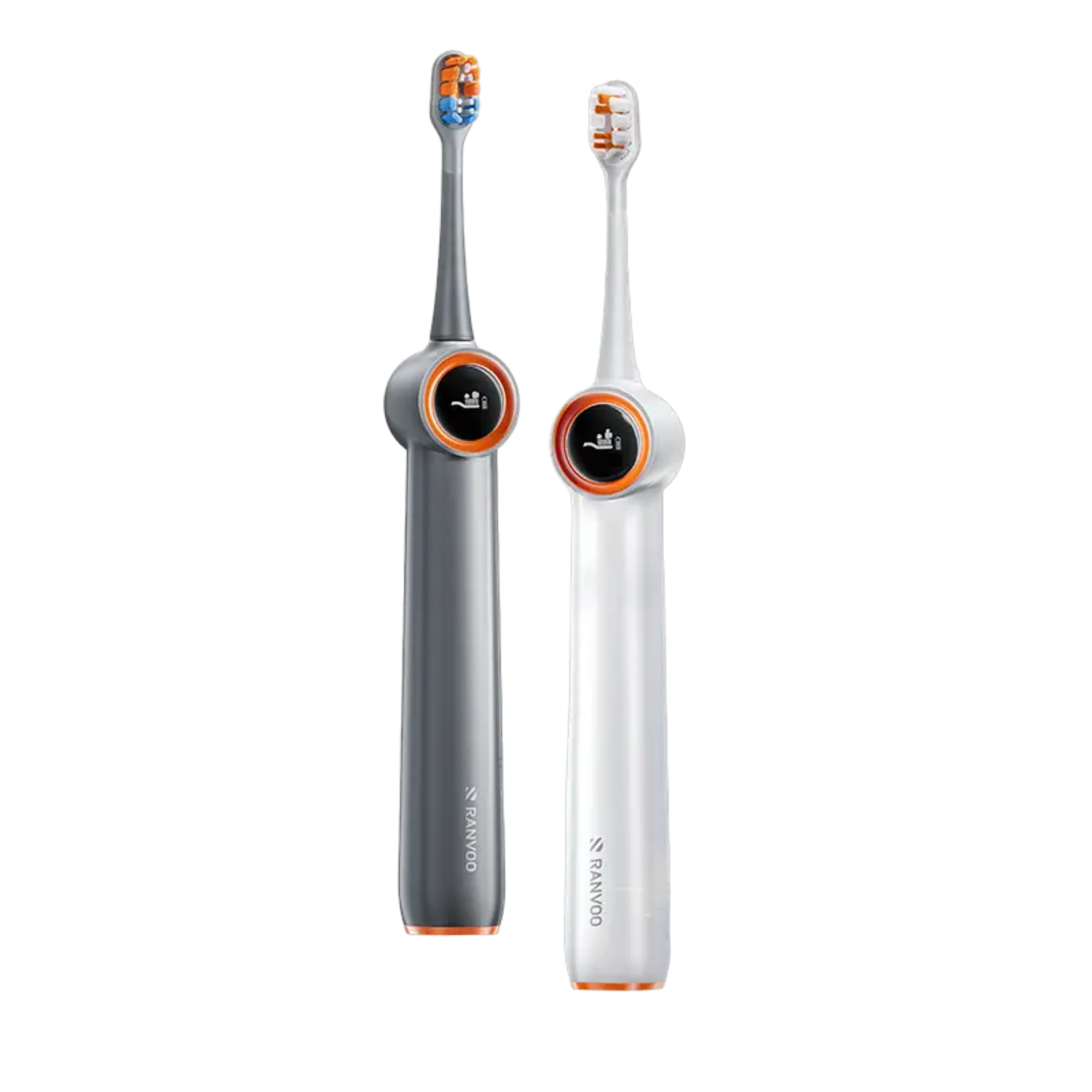
- Floss first, then brush. Dislodging debris and plaque before brushing means your toothpaste’s fluoride and antibacterial agents can reach more surfaces. To make the most of this routine, pairing it with an electric toothbrush can further disrupt the biofilm that manual brushing often misses.
- Add an antibacterial mouthwash — but use it smartly. A therapeutic rinse containing cetylpyridinium chloride or essential oils can knock down VSC-producing bacteria. Remember, mouthwash cannot penetrate deeper than about 0.5 mm into periodontal pockets, so it’s a helper, not a replacement for floss.
- Stay hydrated. Saliva is your mouth’s natural cleanser. A dry mouth (xerostomia) accelerates bacterial growth and worsens floss odor. Sip water throughout the day, and if dry mouth persists, talk to your dentist.
- Clean your tongue. A significant portion of VSCs originates on the tongue’s rough surface. A structured tongue-cleaning routine can make a dramatic difference. In one prospective study, using a tongue scraper daily guided by the Winkel Tongue Coating Index completely eliminated severe malodor within a week.
Consistency is key. A flossing frequency of at least once a day, combined with brushing twice and tongue cleaning, can systematically starve the bacterial colonies that produce the smell. If you’ve just started flossing after a long break, be patient — the initial strong odor often fades as you reduce the bacterial load and your gums stop bleeding.
When Home Care Isn’t Enough: Seeing Your Dentist

If the smell persists after a week or two of diligent care, it’s time to schedule a dental check-up. Visit your dentist if:
- The same spot smells foul every time, even after improved hygiene.
- Your gums bleed heavily or feel tender when you brush and floss.
- You notice a bad taste that won’t go away.
A dental prophylaxis (professional cleaning) removes calcified tartar that no toothbrush or floss can budge. This tartar is a haven for odor-causing bacteria; its removal often eliminates the smell immediately. Your dentist can also measure the depth of periodontal pockets and check for leaking restorations or early decay.
For those managing gum disease, your at-home tools matter more than ever. A sonic electric toothbrush can pulse fluid into the pockets and disrupt plaque colonies that manual brushing leaves behind, helping maintain the results of your professional cleaning.
That smell isn’t something to be ashamed of — it’s feedback. Use it to target your cleaning, and you’ll not only have fresher floss, but noticeably fresher breath and healthier gums.
So next time you floss, pick up that string and give it a sniff. It’s the most honest report you’ll get on your interdental health — and now you know exactly how to respond.
This article has been reviewed by an oral health professional for accuracy. It is intended to provide general educational information and should not be used as a substitute for personalized medical advice, diagnosis, or treatment. If you have questions or concerns about your oral health, please consult a dentist, physician, or other qualified healthcare provider.