













A tingling tongue often has a harmless, short-lived cause, such as spicy or acidic food, a burn from a hot drink, anxiety, or recent dental work. But it can also be a warning sign of a stroke or a severe allergic reaction, so it helps to rule out emergencies first. If tingling comes on suddenly with weakness, slurred speech, trouble breathing, or swelling of the lips, tongue, or throat, call emergency services immediately. Otherwise, you can usually work through the timing and other symptoms with a doctor or dentist.
Red Flags to Rule Out First
Most tongue tingling is not an emergency. But two urgent causes need fast action: a stroke (a brain attack) and anaphylaxis (a severe allergic reaction).
- Sudden weakness on one side of the face or arm, or trouble speaking clearly, is a known stroke warning sign. Stroke guidance says to call emergency medical services immediately when these symptoms appear, according to Canadian stroke best practice guidance and American Stroke Association guidance.
- Swollen lips, tongue, or throat with trouble breathing suggests anaphylaxis. Anaphylaxis guidance calls for emergency medical help right away, as explained in emergency anaphylaxis guidance and a European allergy and clinical immunology guideline.
| Emergency sign | What it may point to |
|---|---|
| Sudden one-sided face or arm weakness, slurred speech | Stroke |
| Swollen lips, tongue, or throat, trouble breathing | Severe allergic reaction |
If you or someone else has these signs, call 911 or your local emergency number. Do not wait for a dental appointment.
Common Short-Lived Triggers
In many cases, tongue tingling is short-lived and not dangerous. Common triggers include:
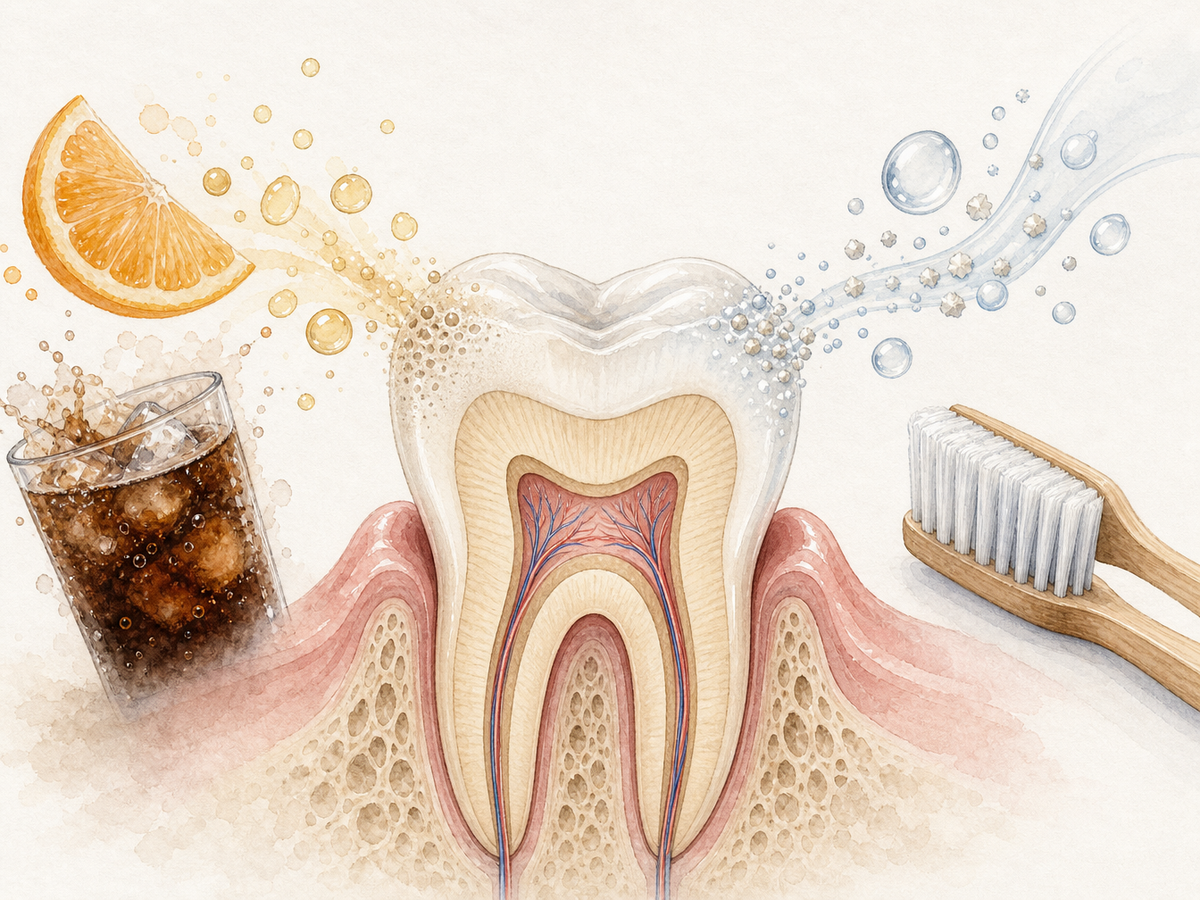
- Very hot, spicy, or acidic foods and drinks. They can irritate the surface of the tongue. Some people find these worsen mouth burning or tingling, according to a clinical review on burning mouth syndrome.
- A burn from a hot drink. The tongue may feel tender, tingly, or numb while it heals.
- Recent dental work. An injection, filling, extraction, or other procedure can temporarily irritate nearby tissue or nerves.
- Anxiety or hyperventilation. Stress and fast, shallow breathing can cause tingling around the mouth or tongue.
If the feeling fades quickly and there is no weakness, swelling, or persistent numbness, it is less likely to be dangerous. A symptom diary can help. Note when the tingling happens, what you ate or did beforehand, and how long it lasts. Patterns often show up more clearly on paper.
Nerve-Related Causes
Sometimes the tingling comes from the nerves that supply the face and mouth. The trigeminal nerve is the main nerve for facial and tongue sensation, so irritation or injury along that nerve can cause tingling, numbness, or burning, according to a review of chronic orofacial pain.
Several nerve-related conditions can be involved:
- Migraine can include sensory symptoms, such as one-sided numbness or tingling, before or during the headache.
- Bell’s palsy, a temporary weakness of one side of the face, is sometimes considered when facial symptoms appear suddenly.
- Multiple sclerosis and trigeminal nerve problems are less common but may affect mouth or facial sensation, as described in a review of oral burning causes.
One-sided symptoms deserve attention. If tingling, numbness, or muscle weakness stays on one side of the face or body, see a doctor or neurologist for an assessment. These conditions are possibilities to rule out, not the first thing to assume. Clinical guidance on oral dysesthesia recommends referral when one-sided burning or altered sensation is present.
Vitamin and Metabolic Causes
Some body-wide conditions can also cause tongue tingling.
- Low vitamin B12, folate, or iron. These deficiencies are linked to a sore, smooth, or burning tongue, according to a study on vitamin B12 deficiency and tongue changes. B12 and folate help maintain the nerves, so low levels can cause tingling in the tongue, hands, or feet, as explained in a review of B vitamin deficiencies and nerve symptoms.
- Diabetes. High blood sugar can damage nerves over time, causing numbness or tingling. Some diabetes medicines, such as metformin, can lower vitamin B12 over time, according to a study on metformin and neuropathy.
- Thyroid problems. Thyroid disorders have been associated with oral burning or tingling symptoms, so a doctor may check thyroid levels.
- Kidney or liver disease. These are less common underlying conditions a clinician may check for, especially if you also feel unwell, tired, or have other body-wide symptoms.
These causes rarely affect the tongue alone. You may also notice fatigue, weakness, pale skin, or tingling in the hands and feet. Simple blood tests can check for common deficiencies, blood sugar, thyroid function, and kidney or liver health.
Medication and Oral Causes
Medicines and mouth conditions can also be behind the feeling.
- Blood pressure medicines, especially ACE inhibitors. These have been linked to mouth burning or tingling in some people. If tingling started shortly after a new medicine or a dose change, that timing is a useful clue, as described in a case report on ACE inhibitor-related burning mouth syndrome and a review of drug-induced burning mouth syndrome.
- Some antibiotics, chemotherapy, and other drugs. Cancer treatment can make mouth tissues sore or alter sensation, according to a review of painful oral mucosal conditions. A clinician can review your medicine list.
- Burning mouth syndrome. This is a condition where the mouth burns or tingles without a visible sore or clear cause. It is often a diagnosis of exclusion, meaning other causes are ruled out first, according to a review of chronic orofacial pain.
- Oral thrush. A yeast infection in the mouth can cause soreness, altered taste, and burning or tingling, as noted in a review of oral burning causes.
- Food allergies. An itchy or tingling mouth shortly after eating can be an allergic reaction. If it comes with swelling or breathing problems, treat it as a possible severe allergic reaction, according to a European allergy guideline.
Important: Do not stop a prescribed medicine on your own. If you suspect a drug is involved, ask your doctor or pharmacist about options. A clinician can help decide whether a change is safe.
Diagnosis and Next Steps
A doctor or dentist usually starts with your story: when the tingling started, how long it lasts, what triggers it, and what other symptoms appear. They may examine your mouth and check the nerves in your face. Depending on those clues, they may order blood tests, allergy tests, or imaging, as outlined in clinical guidance on oral dysesthesia.
Not everyone needs every test. Imaging is more likely if there are one-sided symptoms, unusual nerve findings, or other red flags.
Practical next steps:
- Keep a symptom diary: note the time of day, foods, medicines, stress, and how long the tingling lasts.
- Avoid triggers you already know, such as very hot, spicy, or acidic foods.
- Talk with your doctor before stopping or changing any prescribed medicine.
- Make an appointment if the tingling keeps coming back, spreads, or comes with numbness, weakness, or fatigue.
- Call emergency services if red flags appear: one-sided face or arm weakness, slurred speech, trouble breathing, or swelling of the lips, tongue, or throat.
Most cases of a tingling tongue are brief and not dangerous. The key is to rule out the few urgent causes first, then work through the common triggers with your doctor or dentist.
 Best Overall
 Best Value
 Best for Sensitive Teeth
This article has been reviewed by an oral health professional for accuracy. It is intended to provide general educational information and should not be used as a substitute for personalized medical advice, diagnosis, or treatment. If you have questions or concerns about your oral health, please consult a dentist, physician, or other qualified healthcare provider.