











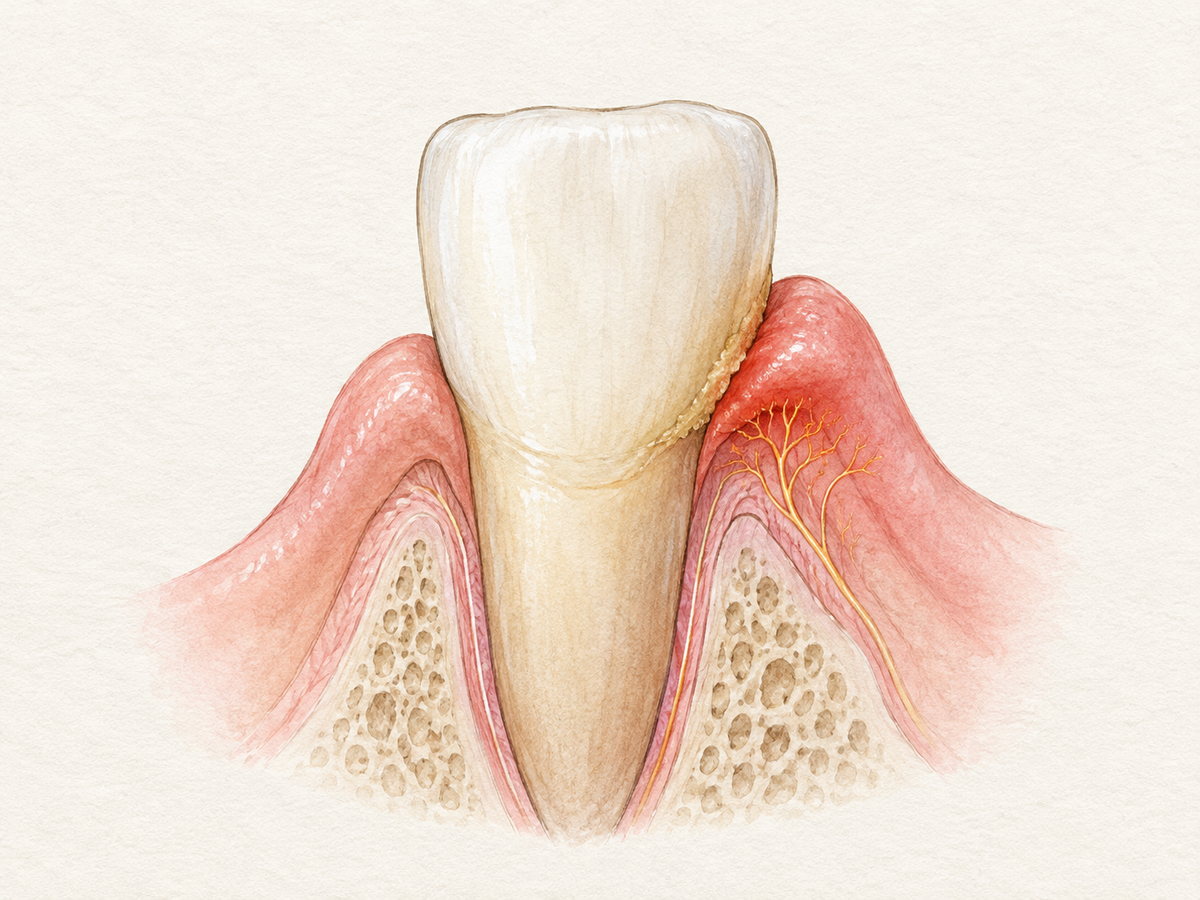
Itchy gums usually mean your gum tissue is mildly irritated or inflamed. Common triggers include plaque buildup, early gum inflammation called gingivitis, a reaction to a toothpaste or mouthwash, dry mouth, and hormone changes. You can often soothe the itch at home, but see a dentist if it lasts more than two weeks or comes with bleeding, swelling, pain, or fever.
An itchy gum is a clue, not a diagnosis. If the itch is new, check what changed: a new toothpaste, mouthwash, food, medicine, or a break in your cleaning routine.
What the Itch Means
Your gums are the soft tissue that hugs your teeth. When that tissue gets irritated, it can feel itchy. The medical name for this itch is pruritus, but the practical point is simpler: itching is a symptom, not a disease by itself.
Mild swelling and irritation in the gum tissue are common reasons for the feeling. Occasional itching is common and often goes away once the trigger is removed. But if the itch does not go away, gets worse, or shows up with other symptoms, it deserves a closer look.
Pinpoint Your Trigger
Recent changes are often the best clue. Ask yourself if you switched toothpaste, started a new medicine, skipped cleaning for a few days, or ate something new.
| Possible trigger | Clues | What to do next |
|---|---|---|
| Plaque buildup or early gum disease | Gums look red or puffy, bleed when brushing or flossing, itch along the gumline | Improve daily cleaning; see a dentist if it doesn’t improve |
| New oral product or food | Itch starts soon after using or eating something new; mouth may feel raw, burn, or peel | Stop the suspected product or food and see if the itch settles |
| Dry mouth | Mouth feels sticky or dry; less saliva; gums feel rough or itchy | Sip water and use saliva-friendly habits |
| Hormone or medication changes | Pregnancy, puberty, menopause, or a new medicine; gums feel extra sensitive | Keep cleaning gently; talk with a dentist or clinician |
| Infection | Itch with pain, sores, bad taste, fever, or swelling | See a dentist promptly |
Allergic-type reactions can come from ingredients in mouth rinses, toothpastes, chewing gum, or foods, according to a review of raw and peeling gum reactions. Dentists sometimes call this raw, peeling gum reaction desquamative gingivitis.
Hormone shifts during puberty, pregnancy, and menopause can also make gums more sensitive and inflamed, sometimes even when plaque is not the main issue, according to a review of female hormonal changes and oral health. Dry mouth is common around menopause and can add to oral discomfort, research on menopause and oral disorders notes.
Quick Relief at Home
If the itch is mild and you feel okay otherwise, try these steps.
- Stop a suspected trigger. If you recently changed toothpaste, mouthwash, gum, or food, go back to your previous product or remove the food for a few days.
- Clean gently. Use a soft-bristled toothbrush and fluoride toothpaste. Brush twice a day, and clean between your teeth once a day without forcing anything.
- Try a saltwater rinse. Mix about half a teaspoon of salt in a glass of warm water. Swish it gently for 30 seconds and spit it out.
- Use a cold compress. Wrap a cold pack in a cloth and hold it against the outside of your cheek for 10 to 15 minutes if the area feels sore or itchy.
- Ask about allergy medicine. If you suspect an allergic reaction, check with a pharmacist or clinician before taking an antihistamine.
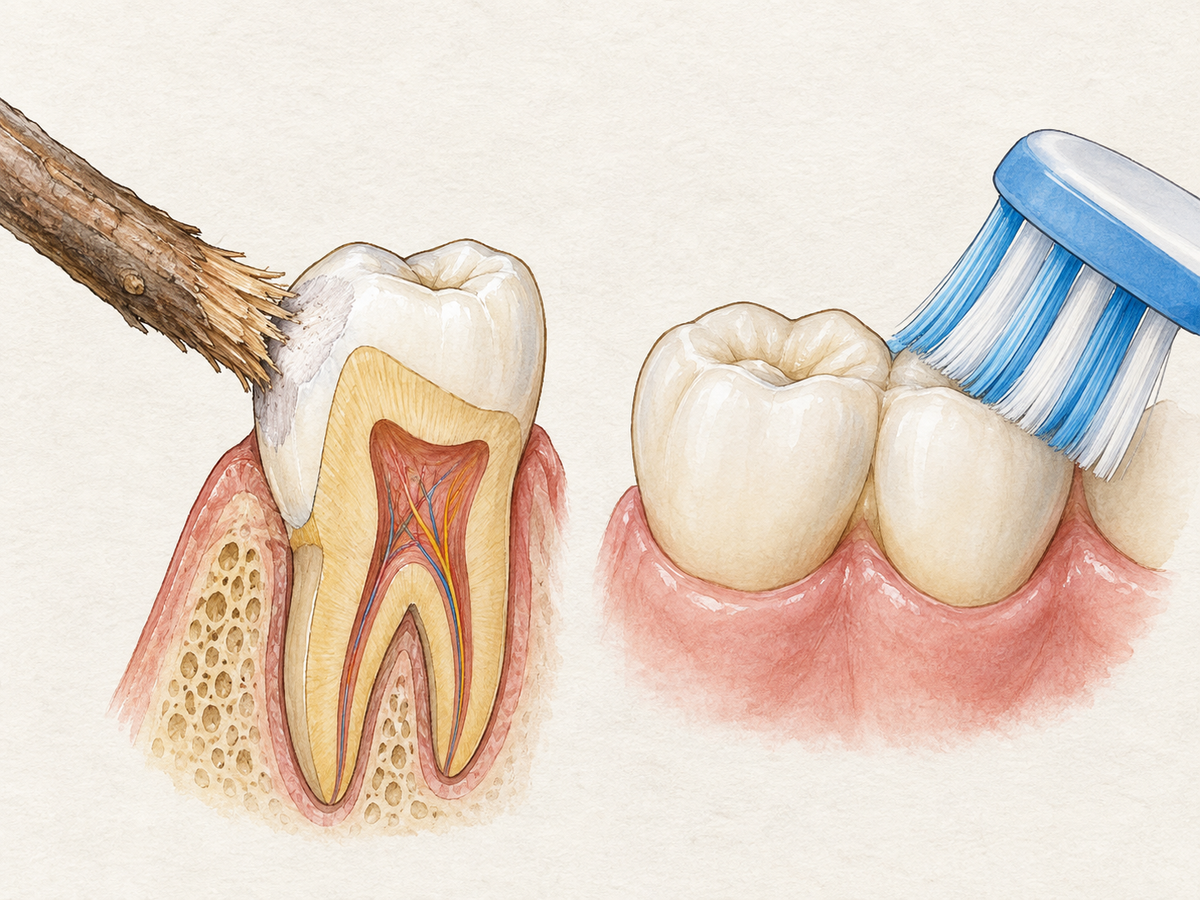
Do not scratch your gums with your fingers, tongue, or a toothpick. That can irritate the tissue more. Also avoid harsh alcohol-based mouthwashes, which can burn or dry already irritated gums.
These steps can calm the itch, but they do not replace finding the underlying cause.
Fix the Root Cause
Match your next step to the likely trigger.
- Plaque or gingivitis: Removing plaque daily is the foundation of managing gum inflammation, according to clinical guidance on managing gingivitis. Brush twice a day and clean between teeth daily. Interdental brushes or water flossers may help if they fit comfortably. Floss can work in tight spots where a brush will not pass without force. A large comparison of between-teeth cleaning tools found interdental brushes and water jets ranked highest for reducing gum bleeding in the studies reviewed.
- Allergy or irritant: Remove the suspected product or food. Check labels and switch to a simple toothpaste or mouthwash without the ingredient you suspect.
- Dry mouth: Sip water throughout the day. Sugar-free gum or lozenges may help stimulate saliva. If dry mouth is new or worsening, talk with a dentist or clinician about possible causes, including medicines or menopause.
- Medication or hormone changes: Do not stop a medicine on your own. Ask a clinician whether dry mouth or gum sensitivity could be a side effect, and keep up with gentle cleaning.
- Infection or warning signs: See a dental professional rather than trying to treat it at home.
If your symptoms improve with these steps, continue the routine. If not, a professional can help you sort out what is happening.
Know the Red Flags
See a dentist if you notice any of these signs:
- Gums that bleed often or bleed easily
- Swollen or puffy gums
- Mouth pain, sores, or ulcers that do not heal
- Fever or feeling unwell
- Loose teeth
- Itching that lasts more than two weeks
- Gum changes during pregnancy or while taking a new medicine
Some symptoms need faster care. A guide for managing dental and oral pain separates routine concerns from urgent ones. Pain that is not controlled with over-the-counter medicine, a swollen cheek or jaw, or rapidly increasing swelling around the neck or eye should be checked promptly. Heavy bleeding that will not stop is an emergency.
Prevent Repeat Itch
Prevention should match what triggered the itch in the first place.
- Brush gently twice a day for two minutes with fluoride toothpaste.
- Clean between your teeth once a day with floss or an interdental brush that fits.
- Review your toothpaste and mouthwash if irritation keeps returning.
- Stay hydrated, especially if dry mouth is part of the picture.
- Avoid foods and products that you know trigger your symptoms.
- Keep regular dental appointments so gum changes are caught early.
- Track your symptoms, and note what changed if the itch comes back.
If your gums itch now and then, adjust your care and watch for the trigger. If the itch sticks around or joins other warning signs, a dentist can help you find out what is really going on.
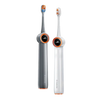
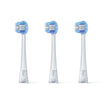
 Best Overall
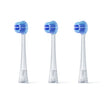
 Best Value
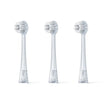
 Best for Sensitive Teeth
This article has been reviewed by an oral health professional for accuracy. It is intended to provide general educational information and should not be used as a substitute for personalized medical advice, diagnosis, or treatment. If you have questions or concerns about your oral health, please consult a dentist, physician, or other qualified healthcare provider.