TL;DR: Most dental professionals recommend waiting at least 72 hours before vaping after wisdom tooth extraction. However, a full week (7 days) or more is far safer. The suction motion and nicotine both threaten the delicate blood clot that protects the healing socket, dramatically raising your risk of the excruciating dry socket. Patience now saves you weeks of pain later.
When to Vape After Wisdom Teeth Removal: Timeline and Risks
You’re sitting there, jaw throbbing, craving the familiar draw of your vape. You just want relief—and you want to know exactly when it’s okay to pick it up again. You’re not alone; the struggle is real. This guide gives you a clear, evidence-based timeline and explains exactly why vaping too soon can turn a manageable recovery into a nightmare.

Why Vaping Is Dangerous Right Now
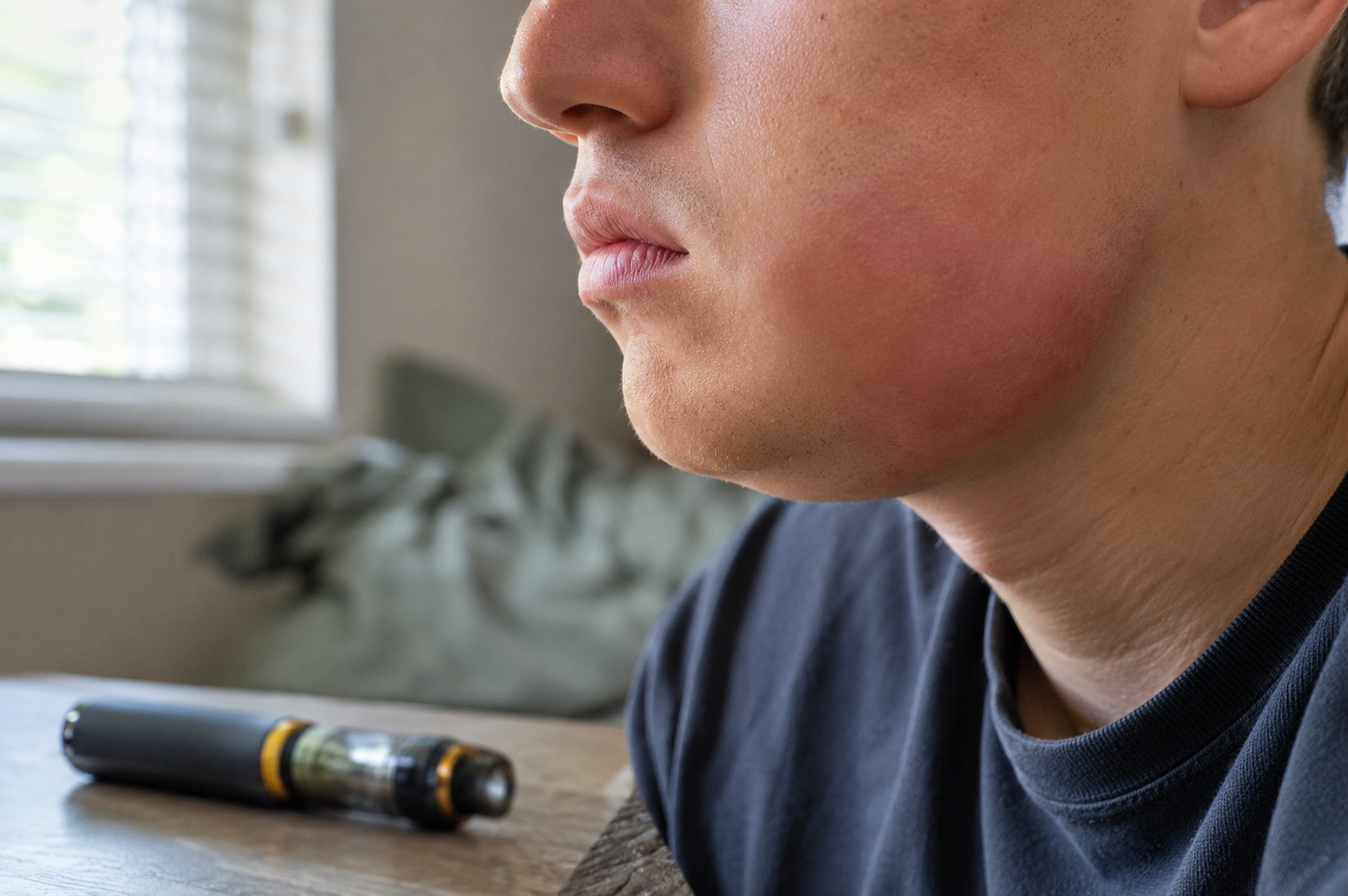
The danger isn’t just the vapor. The real culprit is the suction action required to inhale. That negative pressure inside your mouth acts like a straw, and it can easily dislodge the protective blood clot that forms over the extraction site.
That clot is your healing lifeline. Without it, you’re left with dry socket—a condition where the underlying bone and nerve are exposed to air, food, and bacteria. Think of it as a raw, unshielded wound that throbs mercilessly.
And the damage doesn’t stop there. Nicotine, even in small doses, is a potent vasoconstrictor. It narrows your blood vessels, starving the healing tissues of oxygen and vital nutrients. A comprehensive review of oral surgical healing explains that nicotine also increases platelet adhesiveness, raising the risk of microvascular occlusion and tissue ischemia. In plain terms: it chokes off your mouth’s ability to repair itself.
What about vape device type? A tight-draw pod system that requires a firm pull creates far more suction than an airy, direct-lung box mod. But neither is safe. Even the gentlest inhale generates some negative pressure. And if your vape juice contains zero nicotine, you’re still risking the clot with suction and drying out your mucosa with propylene glycol and vegetable glycerin—both of which can irritate the surgical site and delay closure.
The Safe Timeline
After wisdom teeth removal (third molar extraction), your body moves through distinct healing phases. Here’s how they align with vaping safety.
First 24–48 Hours: The Absolute No-Vape Zone
This is the critical window. Your blood clot is forming and stabilizing. Any suction, spitting, or even sucking on a straw can rip it away. Do not vape—not even a “gentle puff.” The risk of dry socket is highest right now. Your oral surgeon or dentist probably told you to avoid straws and spitting for exactly this reason; vaping violates that rule mechanically, chemically, and thermally.
Days 3–7: Still Extremely Risky
Many people wrongly assume that after 72 hours the danger passes. It doesn’t. A large systematic review found that smokers who underwent tooth extraction had a more than three-fold increase in the odds of developing dry socket compared to non-smokers—the combined incidence reached 13.2% in smokers versus just 3.8% in non-smokers. The study analyzed over 10,000 patients. While that research focused on cigarettes, the same principles apply: nicotine and suction are the enemies.
Even if you feel fine, the socket’s soft tissue hasn’t closed yet. Nicotine continues to constrict blood flow, meaning your body heals slower than a non-vaper’s. Some patients who vape early still get away without dry socket, but you’re gambling with severe pain every time you take a drag.
[insert image here: Macro photograph of a tooth extraction site during early healing, yellowish granulation tissue forming at the edges, the socket still open and moist, healthy gum tissue around it, clinical dental lighting, sharp detail, realistic medical documentation style]

After 1–2 Weeks: The Danger Drops Sharply
By days 7–14, the socket has typically filled with granulation tissue and the gum has begun closing over the hole. Once your dentist confirms that the site looks healthy and you’re no longer at high risk, you can cautiously consider vaping again. Even then, start with the softest possible draw and avoid direct airflow over the former extraction site. Full bony healing takes months, but the critical danger window for dry socket is largely behind you after two weeks.

The Brutal Reality of Vaping Too Soon
If you dislodge that clot, you’ll know it. Dry socket (technically alveolar osteitis) typically strikes 1–5 days after extraction. The pain is deep, radiating, and often unstoppable—painkillers barely blunt it. Patients sometimes describe it as worse than the original toothache.
You won’t just feel pain; you may also notice: - A foul taste or smell coming from the socket. - Visibly empty hole with exposed bone. - Swelling that got better but suddenly returns. - Swollen lymph nodes and even a low-grade fever if infection sets in.
Treatment isn’t quick. Your dentist must pack the socket with a medicated dressing, sometimes repeatedly over several days. That discomfort you could have avoided now stretches your recovery from a week to several weeks. And because nicotine impairs blood flow, the socket will close even more slowly once you do seek help.
If You Absolutely Can’t Wait: Harm Reduction Steps
We get it—nicotine withdrawal is brutal, and not everyone has the support or headspace to white-knuckle through the full recommendation. If you are going to vape despite the risks, these steps may reduce (but not eliminate) the chance of disaster.
- Cover the extraction site. Place a damp piece of sterile gauze directly over the socket and bite down gently. This creates a physical barrier against suction.
- Draw with the absolute minimum force. Almost no suction. Imagine you’re barely sipping air. Avoid deep lung inhales.
- Avoid direct airflow. Don’t let the vapor stream hit the wound. Exhale through your nose if possible.
- Rinse with warm salt water after vaping to help soothe the area, but do not swish forcefully—gently let the water bathe the mouth and fall out.
- Wait as long as you can. Even an extra 12 or 24 hours makes a difference in clot stability.
Remember: this is not a green light. These measures are only a last resort. Many patients who follow them still end up with dry socket.

Healthier Ways to Handle Cravings
You can survive this temporary break. Here’s your craving survival kit, backed by dental and medical expertise.
- Nicotine Replacement Therapy (NRT). Ask your dentist or doctor about nicotine patches. They deliver nicotine without any suction. Nicotine gum can work, too, but never chew aggressively and spit out any saliva rather than swallowing it—don’t suck on the gum.
- Oral alternatives for the hand-to-mouth habit. Suck on sugar-free ice pops, ice chips, or even a clean finger. The sensation can satisfy the oral fixation without suction.
- Distraction is powerful. Cravings typically last 3–5 minutes. When the urge hits, change your environment: take a short walk, splash cold water on your face, listen to a podcast, or pick up a video game.
- Keep your mouth clean—but gently. While focusing on cravings, don’t neglect the rest of your mouth. Using a sonic electric toothbrush on your other teeth can remove plaque without jostling the surgical site. It’s a dentist-endorsed way to reduce bacteria that could otherwise threaten healing.
- Lean on your dental team. They can prescribe anti-anxiety medication for severe withdrawals or adjust your pain medication to minimize triggers. A power toothbrush with a pressure sensor can also help you avoid excessive force near the wound once you’re cleared to brush close to the area.

Red Flags: When to Call Your Surgeon Immediately

If you vape early, stay on high alert for these symptoms:
- Pain that suddenly escalates after a few days of improvement—especially sharp, throbbing pain that radiates toward your ear, eye, or neck.
- A persistently bad taste or foul odor that won’t go away with gentle rinsing.
- You can see a bare, whitish surface in the socket (that’s bone).
- Swelling that returns or worsens, accompanied by fever.
Don’t tough it out. Dry socket is an emergency. Your oral surgeon can pack the site in minutes, relieving the agony and protecting the wound from infection. Fast treatment cuts short weeks of potential misery.
Conclusion
Waiting just a few more days truly can save you from the most brutal dental pain you’ll ever experience. The craving will pass; the dry socket won’t. You’re making a short-term sacrifice for a quick, smooth recovery. Many people have white-knuckled through this exact same hurdle—and they’ll tell you the healed, pain-free result is absolutely worth it. When you do finally vape again, start slow and listen to your body. And if you slip up, get to your dentist immediately. You’re not alone, and you can get through this.
This article has been reviewed by an oral health professional for accuracy. It is intended to provide general educational information and should not be used as a substitute for personalized medical advice, diagnosis, or treatment. If you have questions or concerns about your oral health, please consult a dentist, physician, or other qualified healthcare provider.