













Most tooth extractions are routine, and most people recover well with simple aftercare. The most important job is to protect the blood clot that forms in the empty socket. Keep the area calm for the first 24 hours, use ice and pain medicine as directed, and call your dentist if pain gets worse after a few days.
Why a Dentist May Recommend Pulling a Tooth
Tooth extraction simply means removing a tooth from the jawbone. Dentists normally consider it when a tooth cannot be saved or is causing more harm than good.
Common reasons include:
- Severe decay that has destroyed too much tooth structure to repair.
- An infection or abscess that cannot be controlled or has reached the bone.
- Advanced gum disease, also called periodontitis, that has loosened the tooth or damaged the surrounding bone.
- An injured or broken tooth that extends below the gumline.
- Overcrowding, especially when teeth are blocking others or an orthodontist needs space.
- An impacted wisdom tooth that is stuck below the gum, infected repeatedly, damaging a neighboring tooth, or associated with a cyst.
Guidelines on wisdom teeth stress that healthy buried wisdom teeth do not always need removal just because they are present. Removal is usually recommended when there is a clear problem, according to guidance on wisdom tooth removal and clinical practice guidance on third molars.
Having a tooth pulled can feel scary. But a planned extraction is meant to solve a problem, not create one. If you feel anxious, tell your dentist. They can explain comfort options and adjust the plan.
Simple vs. Surgical Extraction
Not all extractions are the same.
A simple extraction is a straightforward removal of a visible tooth. The dentist uses an instrument called forceps to grip and lift the tooth. Most simple extractions use only local anesthetic, which is numbing medicine.
A surgical extraction is needed when the tooth is harder to reach. The tooth may be broken at the gumline, buried below the gum, impacted, or have curved roots. The dentist may make a small incision, remove a little bone, or divide the tooth into pieces before removing it. Surgical extractions may include sedation, which helps you relax or sleep lightly.
| Simple extraction | Surgical extraction | |
|---|---|---|
| What it means | Visible tooth is gripped and lifted out | Tooth is below the gum, broken, impacted, or curved |
| Approach | Usually no incision | May need an incision, bone removal, or tooth sectioning |
| Comfort | Local anesthetic | Local anesthetic, with sedation if needed |
| Examples | Loose or decayed tooth above the gum | Impacted wisdom teeth, roots below the gum, broken teeth |
The word “surgical” can sound intimidating, but surgical extraction is a routine procedure. Recovery is usually predictable, and your dentist can offer comfort options.
How to Prepare Beforehand
A little preparation can make the day easier.
- If sedation is planned, arrange a driver. You may be asked to avoid eating and drinking for a set time beforehand.
- Share all medicines and supplements with your dentist, especially blood thinners. Do not stop a blood thinner on your own.
- Ask whether antibiotics are needed. Routine antibiotics are not usually necessary for healthy people having an uncomplicated extraction, according to a review of antibiotic use around tooth removal.
- Stop or reduce smoking ahead of time if you can. Smoking can interfere with healing.
- Stock soft foods, such as yogurt, applesauce, and mashed potatoes, plus ice packs for home.
- Write down your questions. Good ones include: Will I be numb or sedated? When can I eat? How should I manage pain? When should I call?
What Happens During the Procedure
Here is the usual order:
- Your dentist may take X-rays to see the tooth roots, nearby nerves, and surrounding bone.
- The area is numbed with local anesthetic. You may feel a brief pinch, then pressure.
- If you chose sedation, it is given and allowed to take effect.
- The dentist gradually loosens the tooth. You may feel pressure and movement, but you should not feel sharp pain.
- If anything hurts, tell the dentist right away. More numbing can be given.
- Once the tooth is out, the dentist cleans the empty socket.
- Gauze is placed over the site, and stitches may be used.
A simple extraction may take only a few minutes. A surgical extraction or a difficult wisdom tooth can take longer, so plan for extra time in your day.
The First 24 Hours: Protect the Clot
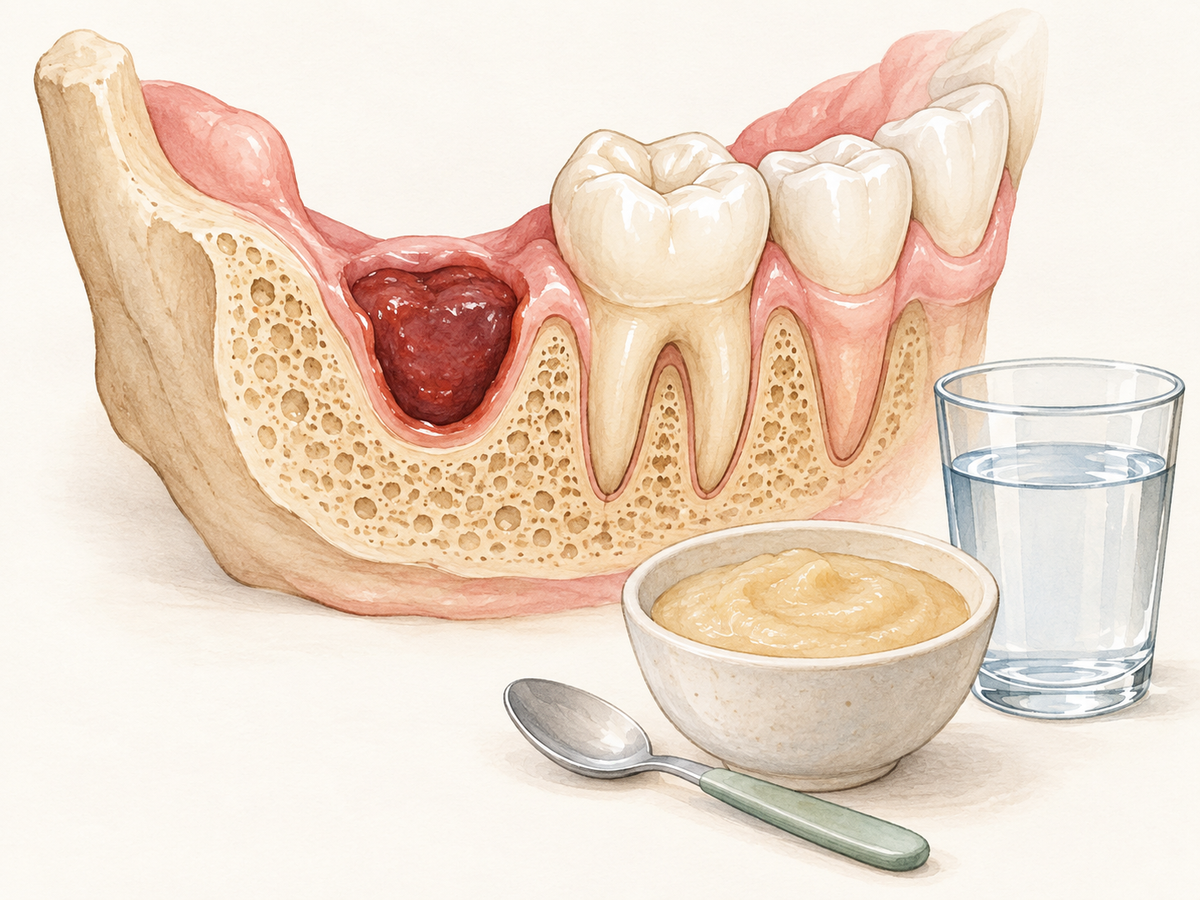
After the tooth is removed, a blood clot forms in the socket. This clot acts like a natural bandage. Losing it too early can expose bone and lead to a painful problem called dry socket.
For the first 24 hours, the goal is simple: protect the clot. No spitting, sucking, straws, smoking, or hot liquids.
Use this do-and-avoid list:
| Do | Avoid |
|---|---|
| Bite firmly on gauze as directed | Spitting or forceful rinsing |
| Rest and keep your head elevated | Sucking through a straw or smoking |
| Use an ice pack wrapped in a cloth | Hot liquids and hot food |
| Take pain medicine as directed | Touching the socket with your tongue or fingers |
Use an ice pack for about 20 minutes on and 20 minutes off. Keep your head elevated with an extra pillow while resting.
Take the first dose of pain medicine before the numbing wears off if your dentist recommends it. This can prevent a sudden pain spike.
Some dentists use a chlorhexidine rinse or gel around the time of extraction to lower dry socket risk. Ask whether this is right for you. Moderate-certainty evidence suggests chlorhexidine may reduce dry socket, according to a Cochrane review on dry socket prevention.
Recovery Timeline
Healing happens in phases, not on a strict day-by-day schedule.
- In the first 24–48 hours, bleeding and swelling tend to peak.
- Over the first week, soreness usually eases quite a bit.
- Over several weeks, the gums gradually close over the site.
- A small hole may linger for a while, and the jaw may feel stiff.
- Deeper jawbone healing continues for months.
It is normal to still feel some soreness or puffiness after a few days. That does not automatically mean something is wrong.
Eating, Drinking, and Oral Care
For the first day, choose soft, cool, nutrient-rich foods. Good options include yogurt, applesauce, smoothies consumed without a straw, mashed potatoes, and lukewarm or cool soup. Drink plenty of fluids, but avoid straws.
Gradually return to normal eating as comfort allows. Skip crunchy, chewy, spicy, or very hot foods until the area feels better.
Oral care needs a gentle touch:
- Brush your other teeth normally, but brush gently away from the socket.
- Do not rinse forcefully in the first 24 hours.
- After the first day, warm saltwater rinses may help, but only if your dentist approves.
- Feeling hungry? Eat small, frequent soft meals rather than one large meal.
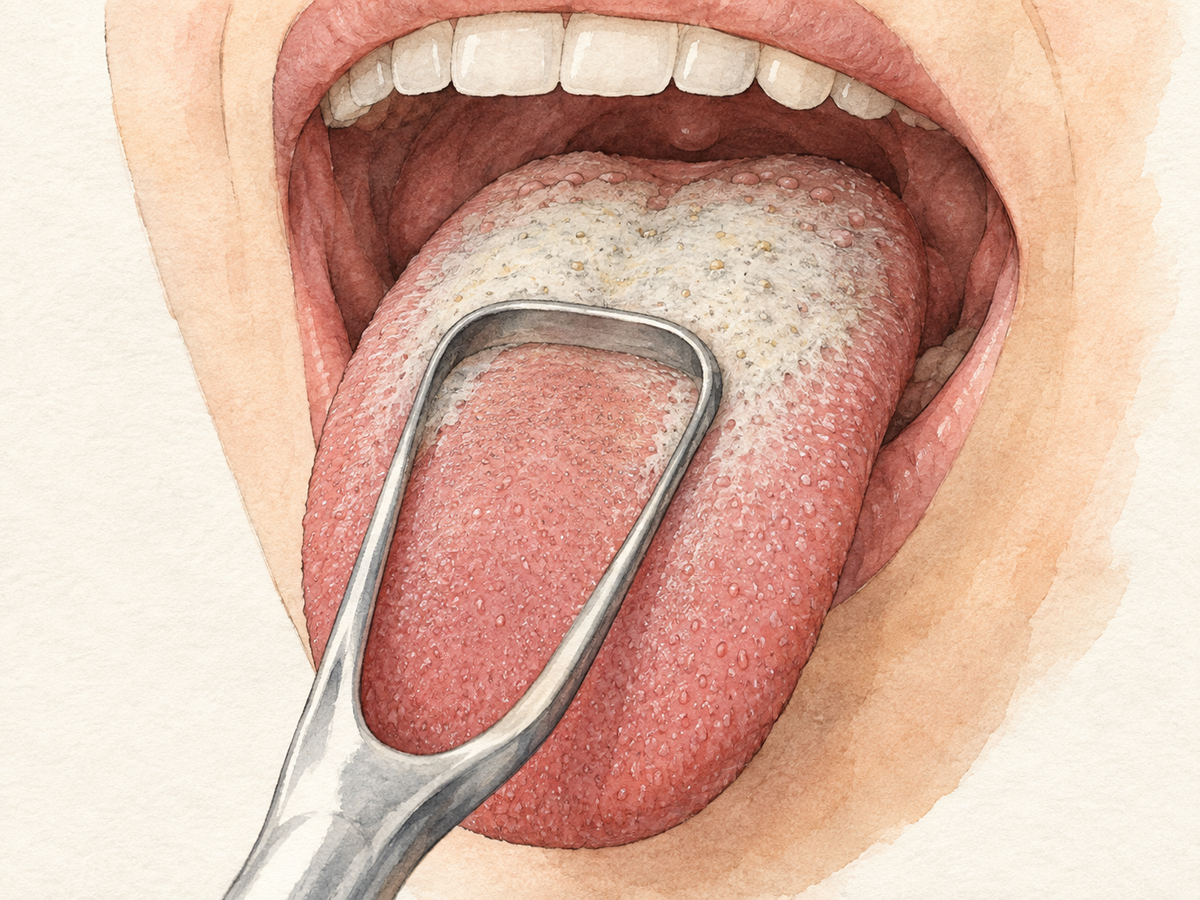
- A mild odd taste can be normal while the socket heals. If the taste becomes foul or you notice pus, call your dentist.
Managing Pain and Swelling
Some people need a prescription pain reliever, but many do well with over-the-counter choices.
For most adults after an extraction, a nonsteroidal anti-inflammatory drug (NSAID) such as ibuprofen or naproxen sodium, alone or with acetaminophen, is a common first-line option. Clinical guidance favors non-opioid pain relievers for most cases of acute dental pain after tooth removal, according to a clinical practice guideline on acute dental pain.
Use only what your dentist or doctor recommends, and follow the dosing schedule. Avoid aspirin unless your clinician specifically approves it, because aspirin can increase bleeding.
Swelling is easier to manage with ice, rest, and keeping your head elevated. Mild pain and puffiness are expected parts of healing.
Call the dentist if:
- Pain is not controlled with the recommended medicine.
- Swelling worsens after 48 hours instead of improving.
- You cannot take the recommended pain medicine due to side effects or another condition.
Risks and Warning Signs
Most extractions heal without trouble, but it helps to know what to watch for.
- Dry socket: The protective clot breaks down or washes away, exposing bone. It usually causes pain that gets much worse a few days after extraction.
- Infection: Signs include fever, worsening pain, swelling, pus, or a foul taste.
- Excessive bleeding: Oozing can be normal, but heavy bleeding that will not stop with firm gauze pressure needs attention.
- Nerve numbness: Tingling or loss of feeling in the lip, chin, or tongue can occur. It is often temporary, but report any new numbness.
- Sinus problems: Upper back teeth can sit close to the sinus. If you notice fluid passing between your mouth and nose, call your dentist.
- Jaw fracture: This is rare, but a weakened jawbone can crack during a difficult removal.
Call your dentist if you have:
- Fever or pus.
- Pain that worsens after day 3.
- Heavy bleeding that will not stop with firm pressure.
- New numbness in the lip, chin, or tongue.
- A foul taste or discharge that does not improve.
Trouble breathing or swallowing, or bleeding that will not stop despite firm pressure, is an emergency. Go to urgent care or an emergency department.
Replacement and Follow-Up
Not every extracted tooth needs replacement. Wisdom teeth usually do not. But a missing back tooth can affect chewing and may allow nearby teeth to shift over time.
Replacement options include:
- A dental implant, which is an artificial tooth root placed in the jaw.
- A bridge, which uses neighboring teeth to support a replacement tooth.
- A partial denture, which is removable.
- Orthodontic space closure, which uses braces or aligners to close a gap.
Timing can matter. After a tooth is removed, the jawbone may shrink over time. If you plan to get an implant, ask your dentist about steps to protect the bone, such as socket grafting. A consensus report on extraction sockets and implants notes that socket grafting can reduce bone loss after extraction.
At your follow-up visit, ask:
- When can I return to normal brushing and eating?
- Do I need any further treatment for the socket?
- Should I plan for a replacement tooth, and when?
- What symptoms would make you want me to call or come in?
Most complications are easier to manage when caught early. If something feels off, call your dentist rather than waiting.
This article has been reviewed by an oral health professional for accuracy. It is intended to provide general educational information and should not be used as a substitute for personalized medical advice, diagnosis, or treatment. If you have questions or concerns about your oral health, please consult a dentist, physician, or other qualified healthcare provider.