

















“Rotten teeth” is a common name for advanced tooth decay. Treatment depends on how deep the decay has gone: a small cavity may need a filling, while more serious decay may need a crown, root canal, or tooth removal. Get same-day care if you have face or jaw swelling, fever, or trouble swallowing or breathing. If pain stops, that can mean the nerve has died, not that the infection is gone.
How Tooth Decay Becomes “Rotten Teeth”
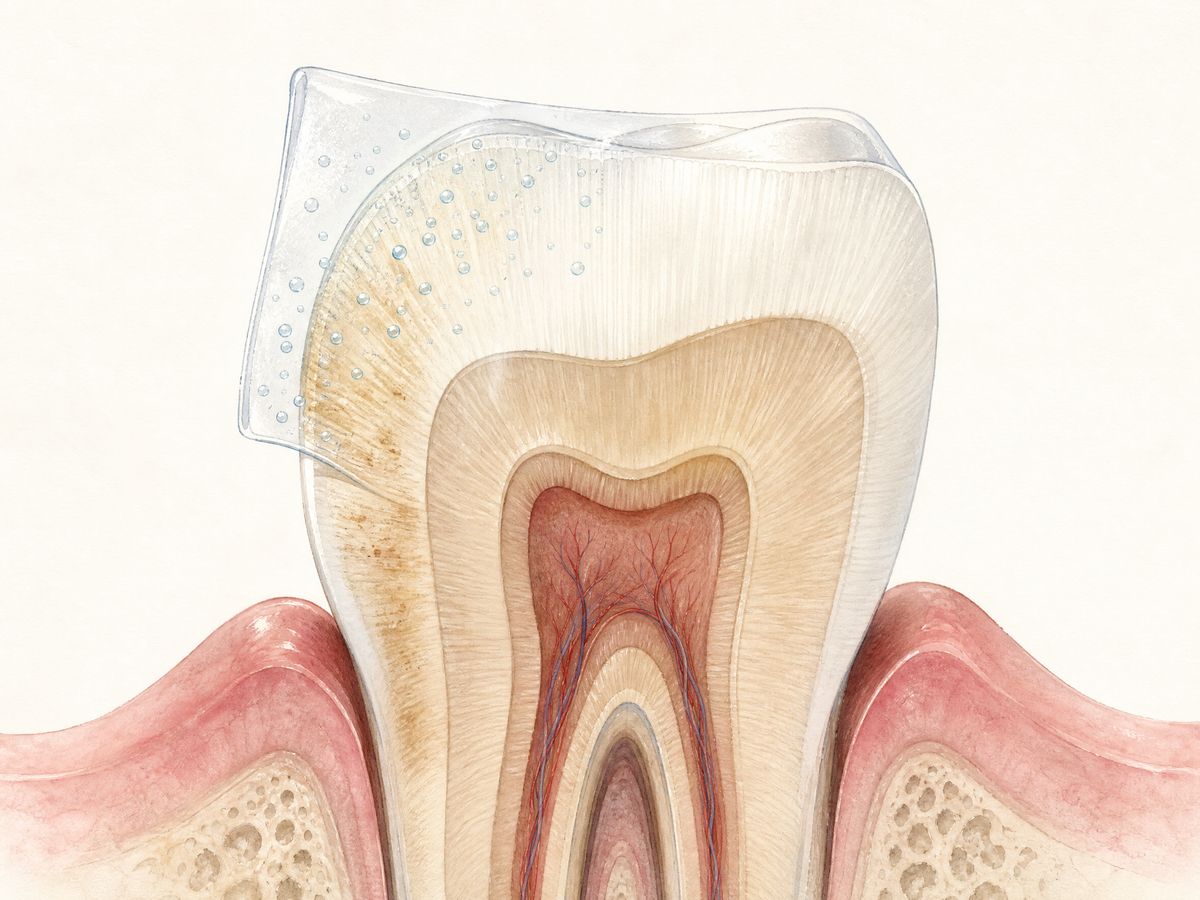
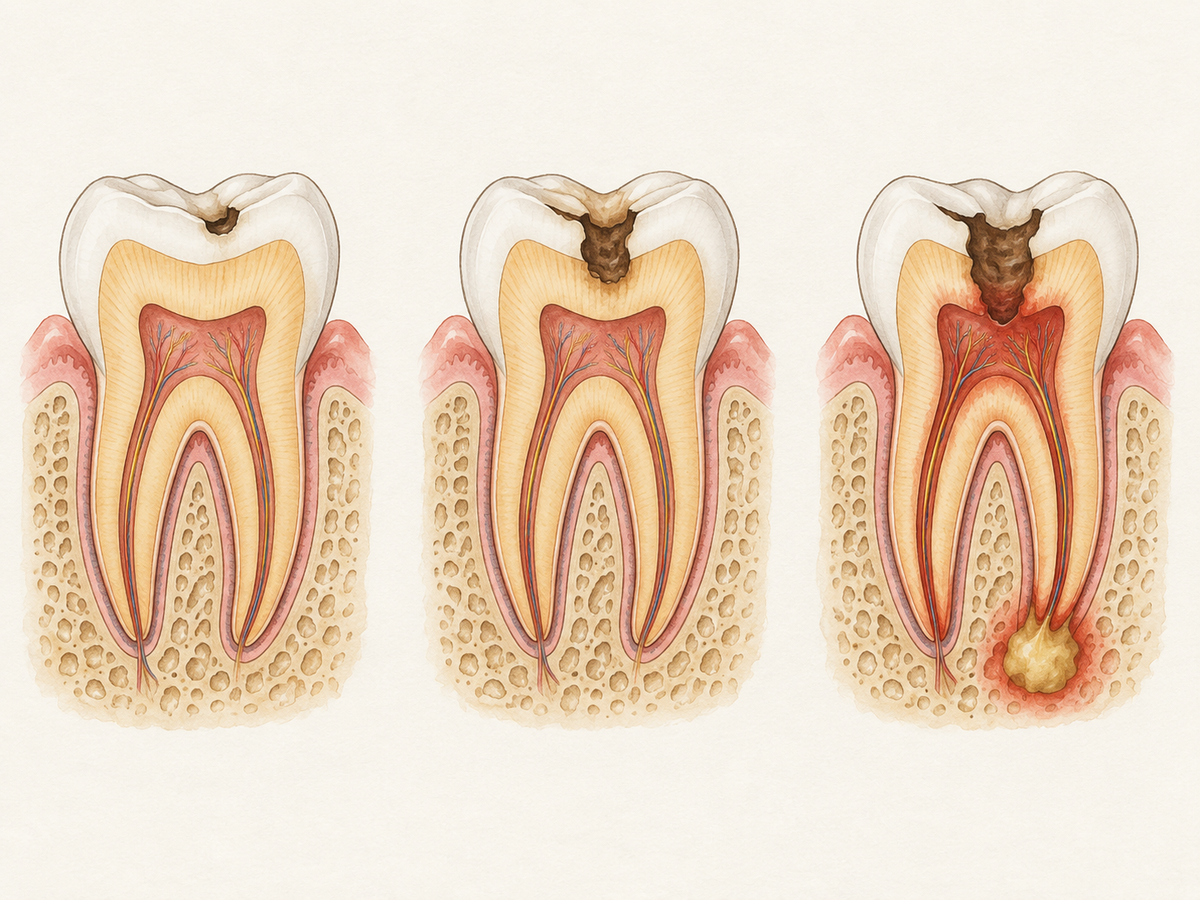
Tooth decay starts when mouth bacteria feed on sugars and starches and produce acid that breaks down tooth structure over time, according to the European Society of Endodontology position statement. The first hard layer affected is the enamel, the outer shell of the tooth. At that early stage, a cavity may be small and may not hurt.
If decay continues, it moves into the softer layer underneath called dentin. This is when a tooth may start feeling sensitive to sweets, hot, or cold.
If bacteria reach the dental pulp—the soft tissue and nerve inside the tooth—the tooth can become inflamed or infected. An abscess is a pocket of pus that can form near the root. When the pulp dies, dentists call it pulp necrosis, or a dead tooth. That is the stage many people describe as “rotten teeth.”
In plain terms:
- A small cavity is limited damage in the outer layers.
- A broken-down tooth has lost a lot of its structure.
- An infected tooth means bacteria have reached the pulp or the area around the root.
This is a description of how severe the decay is, not a judgment about the person. The condition has clear causes and can be treated.
Symptoms: Early Clues vs Advanced Decay
Early signs can be easy to overlook:
- Sensitivity to sweets, hot, or cold
- Bad breath or a bad taste that keeps coming back
- Food catching in the same spot
- Brown, black, or chalky spots on a tooth
Advanced decay may cause:
- Throbbing pain that may wake you at night
- Pain when biting or pressing on the tooth
- A visible hole, break, or rough edge
- Black, brown, or grey tooth color
- Swollen, red, or puffy gums near the tooth
- Pus or a small gum pimple, sometimes with a foul taste
- A tooth that feels loose or different
Pain may stop if the nerve inside the tooth dies. That does not mean the infection is gone. Infections at the root can continue even when the tooth no longer hurts, according to a Cochrane review on dental infections.
Red Flags: When to Get Urgent Care
Same-day care is needed for face or jaw swelling, fever, swelling under the eye, trouble swallowing or breathing, or severe pain that will not stop. These can be signs of a spreading tooth infection.
These red flags suggest the infection may have moved beyond the tooth into surrounding tissues. That can become serious quickly.
Get urgent dental or emergency care if you have:
- Swelling in the face, cheek, or jaw
- Swelling under the eye or along the lower jaw
- Fever
- Trouble swallowing or a feeling that the throat is tight
- Trouble breathing or noisy breathing
- Severe, unrelenting pain
- Bleeding that will not stop
Dental guidance for spotting serious infections lists trouble swallowing, airway problems, swelling around the eye, and fever as red flags, according to the FATLIPS acronym for dental infection assessment. Swelling near the airway or deep facial spaces may require hospital care, according to a clinical guideline on dental infections.
Seeking urgent care for these signs is not overreacting. It is the right decision.
Why Teeth Rot: Causes and Risk Factors
The main driver is acid made by mouth bacteria after they feed on sugars and starches. That acid attack weakens tooth structure over time. Saliva helps wash away food and neutralize acid, so anything that reduces saliva or increases acid exposure can raise the risk.
Common risk factors include:
- Frequent sugary drinks and starchy snacks
- Dry mouth, from medicines or certain conditions
- Not cleaning teeth well enough to remove plaque daily
- Acid reflux, which can bring stomach acid into the mouth
- Receding gums, which expose softer root surfaces
- Older fillings or crowns with rough edges that trap plaque
- Smoking or vaping
- Limited access to dental care
None of these mean you failed. They are factors that can be adjusted or treated. If dry mouth is a problem, talk with a dentist or doctor about ways to protect your teeth.
Treatment Options by Severity
Treatment is matched to how deep the decay has gone and whether the nerve is involved. A dentist uses an exam and X-rays to decide.
| Situation | Common treatment | What it does |
|---|---|---|
| Small cavity | Filling | Removes decay and seals the hole |
| Larger decay or structural loss | Crown or onlay | Covers and supports the remaining tooth |
| Infected or dead pulp | Root canal treatment | Removes infected tissue from inside the tooth |
| Tooth too damaged to save | Tooth extraction | Removes the source of infection |
| Abscess with pus | Drainage, plus antibiotics if needed | Releases pus; antibiotics help if infection has spread |
An onlay is like a partial crown. It covers more of the tooth than a filling but less than a full cap.
For deep decay near the nerve, dentists may use a conservative approach called selective caries removal. They remove the worst decay but leave a small amount of affected dentin near the pulp to avoid exposing the nerve. Current guidelines favor this approach because it lowers the chance of pulp exposure and helps save the tooth, according to the deep caries management guideline and the American Dental Association restorative treatments guideline.
For an abscess, the dentist may need to release the pus. This is called incision and drainage. Antibiotics may be added if the infection has spread or you have fever, according to the ADA antibiotic guideline. For a localized abscess without spreading signs, drainage is the key treatment and antibiotics may add no clear benefit, according to a systematic review on abscess management.
Antibiotics do not remove decay or clean out an infected tooth. If several teeth need work, the dentist may stage treatment over a few visits to manage pain first and plan the rest.
What You Can Do Before the Dentist
These steps can help with comfort while you wait for treatment:
- Rinse gently with warm salt water, about half a teaspoon of salt in a glass of water.
- Use a cold compress on your cheek if you have swelling.
- Take an over-the-counter pain reliever such as ibuprofen or acetaminophen as directed, if it is safe for you.
- Avoid very hot, cold, or sugary foods and drinks.
- Gently clean the area, but avoid poking at a broken tooth.
Before your visit, write down:
- When the pain started and what makes it worse
- Any swelling, fever, or bad taste
- Medications and health conditions
- Questions you want to ask
Do not put aspirin directly on the gum. It can burn the tissue. Oil pulling is not a cure for tooth decay or an abscess. These comfort steps are temporary, not treatment. If swelling is spreading or you have red-flag signs, do not wait and rely on home care.
Preventing More Rot and Reinfections
Core habits help lower the risk of new decay:
- Brush twice a day with fluoride toothpaste.
- Clean between your teeth every day with floss or another tool your dentist recommends.
- Limit sugary drinks and snacks. Water is the safest choice between meals.
- If your mouth is dry, sip water, chew sugar-free gum, or talk with your dentist or doctor.
- Keep regular dental exams, even if nothing hurts.
- If you smoke or vape, quitting can help your gums, healing, and tooth health.
Treated teeth still need care. New decay can form around the edges of fillings or crowns, and exposed root surfaces can develop cavities too. Think of a filling or crown as a repair, not a permanent shield.
Costs, Recovery, and Follow-Up
Costs vary depending on the procedure, where you live, your dental insurance, and whether sedation is needed. Ask for a written treatment plan before you start. Many offices can explain payment options or help you stage urgent care first.
Recovery is different for each treatment:
- A filling is usually quick. Mild sensitivity or soreness can last a few days.
- A crown or onlay may take two visits. A temporary crown needs gentle care.
- A root canal may be done in one or more visits. Many teeth need a crown afterward.
- An extraction needs healing time. Follow the dentist’s instructions for eating, cleaning, and activity.
- If antibiotics are prescribed, finish all doses as directed, even if you feel better.
Call the dentist after treatment if you have:
- Pain that gets worse or does not improve as expected
- Swelling that returns or increases
- Fever
- A filling, crown, or temporary that comes out
Early treatment is usually simpler and less costly than waiting. If you notice a hole, dark spot, sensitivity, or swelling, book a dental exam. And if red-flag signs appear, get same-day care.
This article has been reviewed by an oral health professional for accuracy. It is intended to provide general educational information and should not be used as a substitute for personalized medical advice, diagnosis, or treatment. If you have questions or concerns about your oral health, please consult a dentist, physician, or other qualified healthcare provider.