








Receding gums usually do not grow back on their own, but you can often stop them from getting worse and treat the problems they cause. The most common causes are plaque-related gum disease, brushing too hard, grinding or clenching, smoking, and sometimes genetics or tooth alignment. The best first step is to see a dentist for an exam and a professional cleaning, then fix the daily habits that are causing the damage.
Stop the cause first. Treatments can cover exposed roots or reduce sensitivity, but they work best when the underlying trigger is under control.
Causes: Why Gums Recede
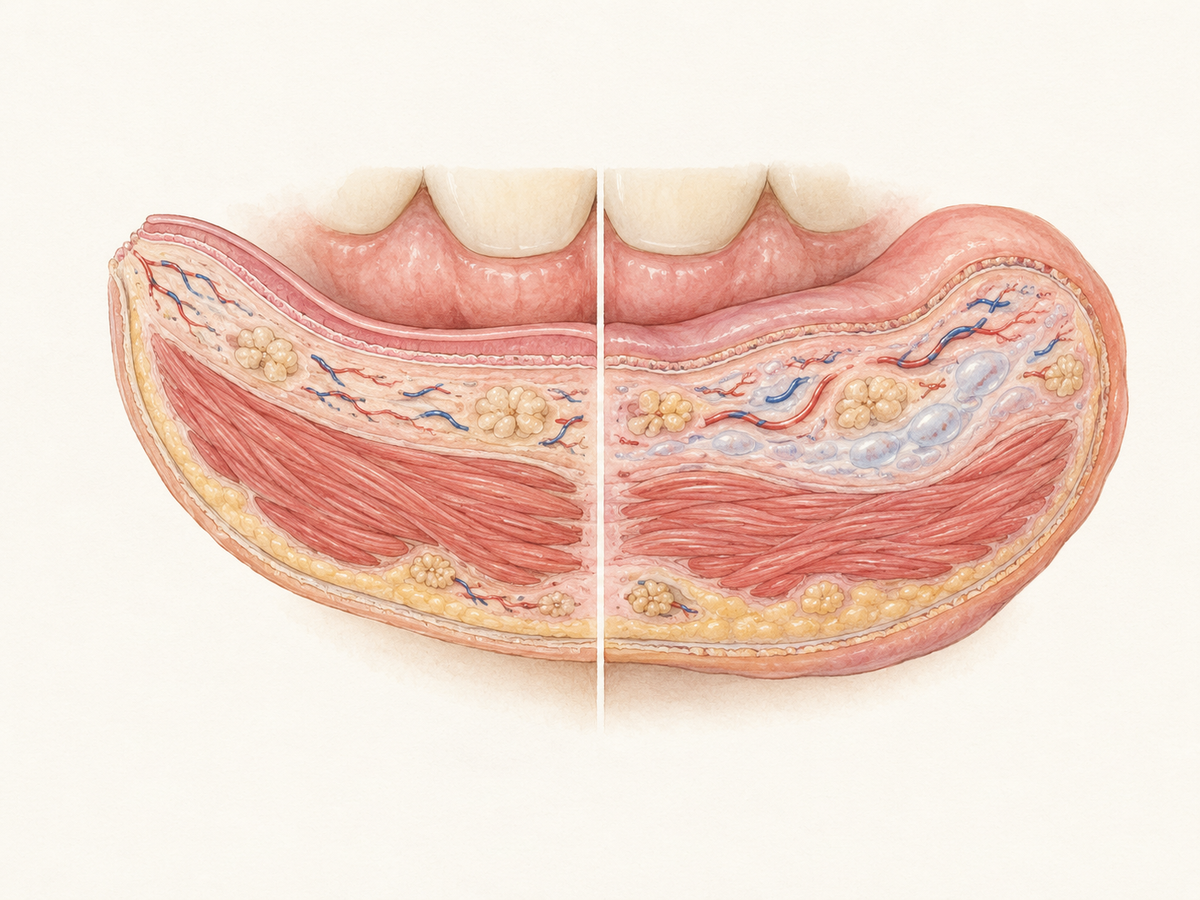
Gum recession means the gum line has pulled away from the tooth, exposing more of the tooth or its root. It is rarely caused by one thing alone. In fact, several factors often team up.
Common causes include:
- Plaque-related gum disease, also called periodontitis. Plaque builds up, the gums become inflamed, and the tissue and bone that support teeth can be damaged.
- Brushing too hard or using a hard brush. Scrubbing back and forth can injure the gum line over time.
- Grinding or clenching, also called bruxism. Extra force may stress the teeth and the tissue around them.
- Smoking. This is a strong, changeable risk factor.
- Genes and aging. Some people naturally have thin or fragile gum tissue. Recession becomes more common with age, but it should not be treated as an unavoidable part of getting older.
- Misaligned teeth. Crowded or tilted teeth can trap plaque and create uneven pressure on the gums.
A large review found that dental plaque, smoking, and periodontitis were strongly linked to gum recession, along with factors like a high frenulum and occlusal trauma review of gum recession risk factors. Toothbrushing reviews show that brushing method, frequency, and bristle hardness are the factors most often tied to recession, though the evidence is not perfectly clear toothbrushing and gum recession review.
One cause can also make another worse. For example, grinding may add force to gums that are already inflamed from plaque. That combination can speed up damage.
Can Receding Gums Grow Back?
In most cases, no. Once gum tissue has pulled away, the body does not reliably regrow it on its own.
But that does not mean you are stuck. There are three realistic goals:
- Stop further recession. This is usually the most important step.
- Reduce sensitivity. Exposed roots can be sensitive to hot, cold, sweet, or brushing.
- Cover exposed roots with surgery. This is not the same as natural regrowth, but it can protect the root and improve appearance.
Surgical root coverage procedures can reduce recession depth and cover exposed roots in many cases, but complete coverage is not guaranteed Cochrane review of root coverage procedures. Mild recession can often be stabilized without surgery, especially when the cause is corrected.
Professional Treatment Options
Many people do not need surgery right away. Your dentist may start with simpler treatments that target the cause.
| Treatment | What it does | Good to know |
|---|---|---|
| Deep cleaning, called scaling and root planing | Removes plaque and tartar below the gumline | Often the first step for plaque-related recession |
| Antibiotics | May help control infection in selected cases | Not routine; overuse can cause side effects and resistance |
| Bite adjustment | Smooths uneven spots where teeth meet | May help if one tooth is taking extra force |
| Night guard | Cushions grinding or clenching during sleep | Useful when bruxism is a trigger |
| Braces or clear aligners | Straighten teeth and improve alignment | May reduce plaque trapping and uneven forces |
| Desensitizing treatments | Reduce tooth sensitivity | Eases symptoms but does not fix the cause |
Deep cleaning is strongly recommended as the first treatment for chronic periodontitis nonsurgical treatment guideline. Antibiotics are not recommended for routine use in periodontitis care because the risks can outweigh benefits for most people nonsurgical periodontitis summary.
For non-surgical management, dentists also focus on plaque control, changing harmful habits, and using desensitizing agents when needed clinical management of gum recession. Bite adjustment, night guards, and orthodontics are then considered when force or alignment seems to be part of the problem.
Surgical Treatment: When It’s Needed
Most people do not need gum surgery. It may be considered when:
- Roots are clearly exposed and causing sensitivity or decay risk.
- Recession is getting worse quickly.
- The tooth may be at risk of becoming loose or lost.
- Non-surgical care has not stopped the damage.
Common surgical options include:
- Gum graft. A small piece of tissue is taken from the roof of the mouth or a donor source and placed over the exposed root. This is widely considered the gold standard for covering roots AAP root coverage review.
- Pinhole surgical technique. This less invasive method adjusts the existing gum tissue through a very small hole. In a randomized trial, it produced similar root coverage to a gum graft over one year pinhole technique study.
- Flap surgery. The gum is lifted briefly so deep infection can be cleaned, then repositioned.
- Guided tissue regeneration. A membrane or graft material is placed to encourage supporting tissue to rebuild.
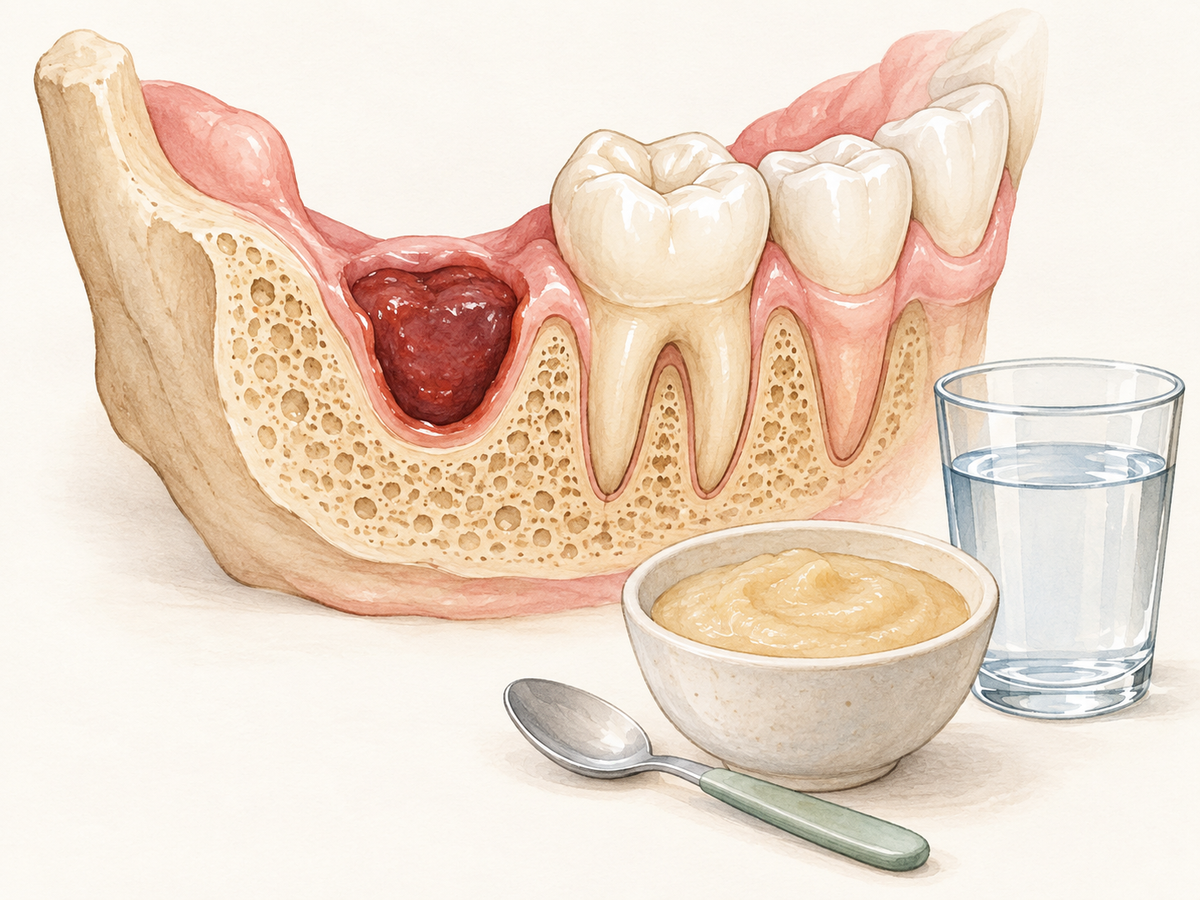
Recovery discomfort is usually strongest in the first few days to a week, especially if tissue is taken from the roof of the mouth Cochrane review of root coverage procedures. You will likely need a soft diet and gentle cleaning for a short period.
Cost and insurance coverage vary. If the procedure is needed for periodontal health, part of the cost may be covered. If it is considered cosmetic, coverage may be limited. Ask your dentist or insurer before starting.
Daily Care That Stops Progression
Home care will not regrow gums, but it can help stop recession from getting worse.
Follow these steps:
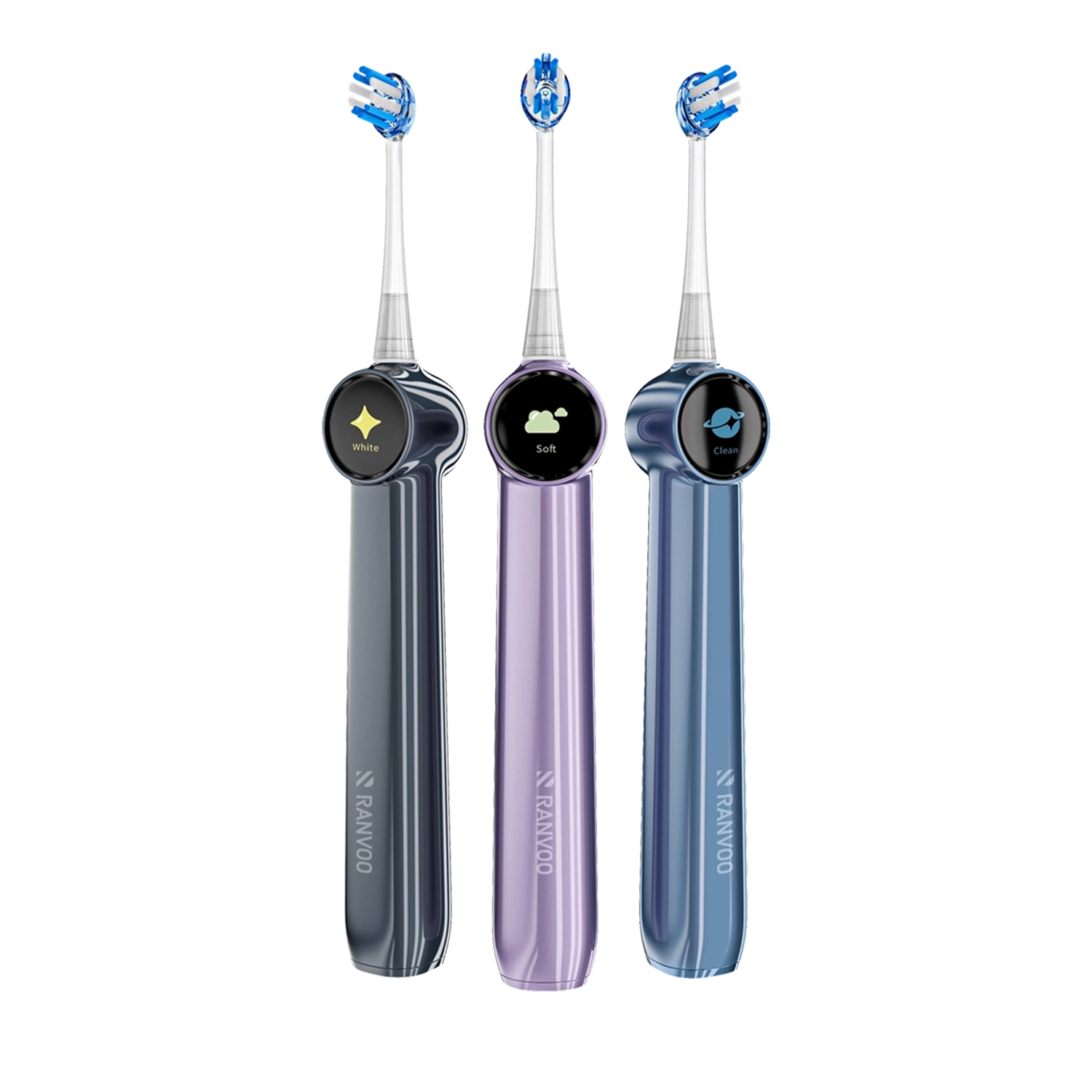
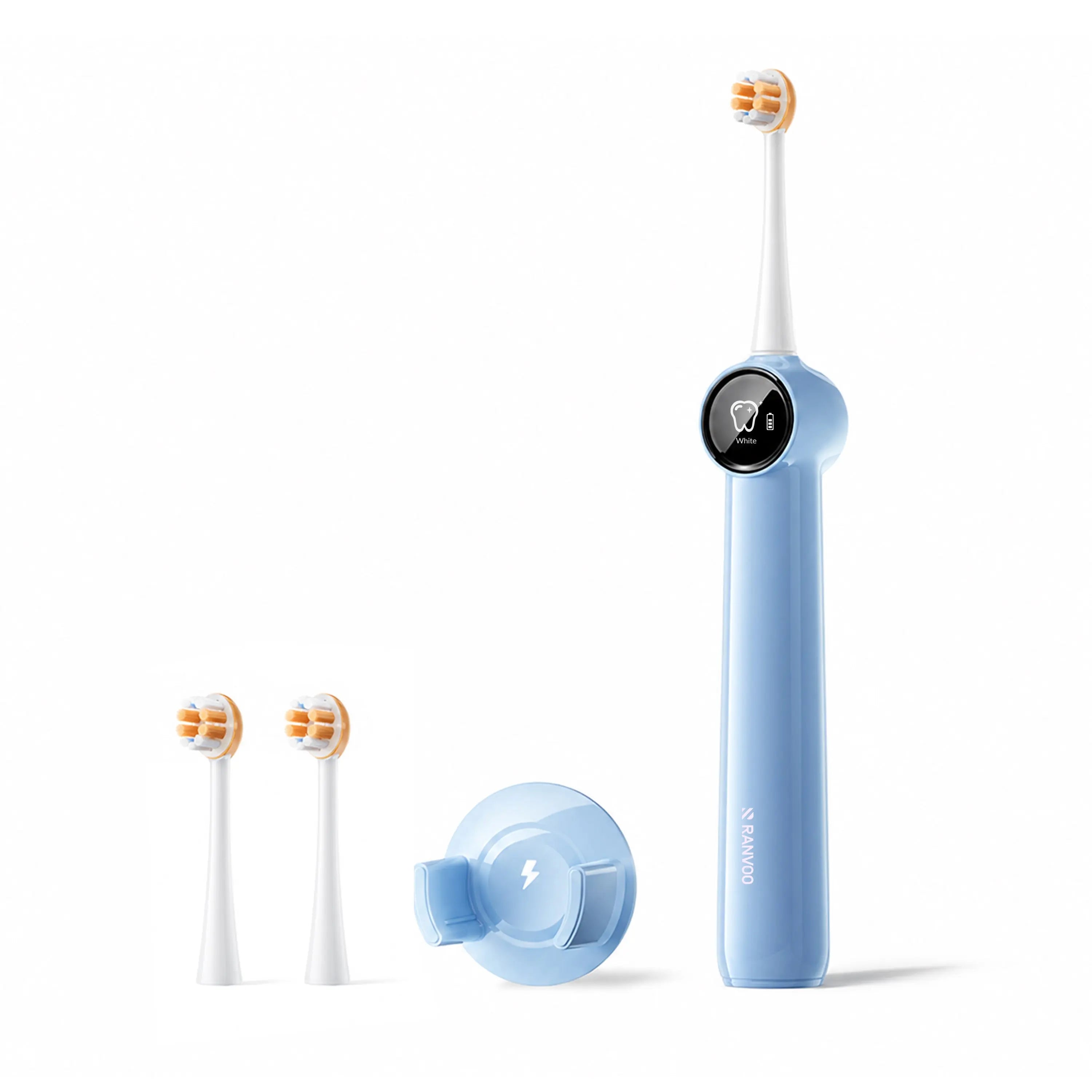
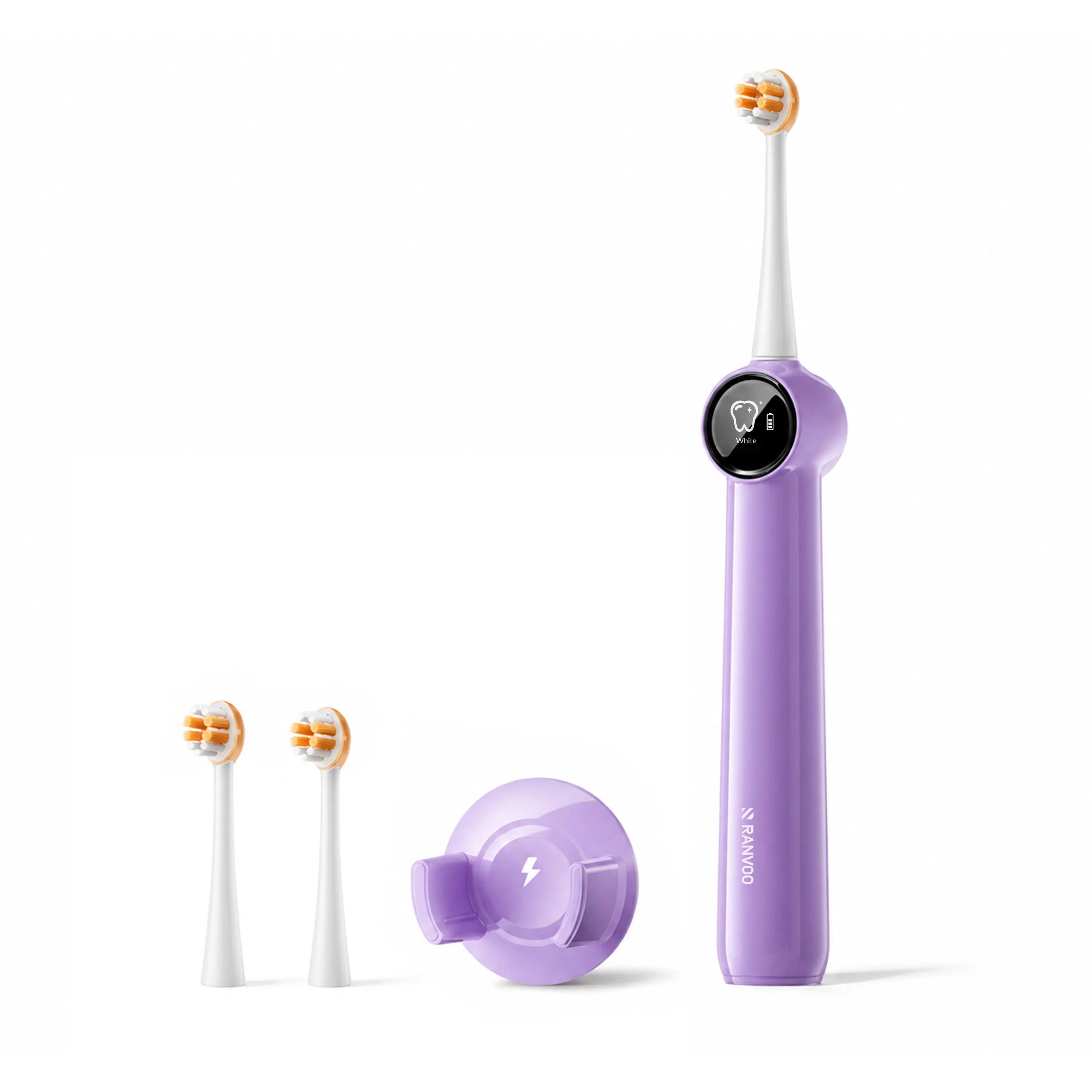
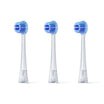
- Use a soft-bristle toothbrush or an electric toothbrush with a pressure sensor.
- Brush gently in small circular motions. Do not scrub back and forth.
- Clean between teeth daily with floss, interdental brushes, or a water flosser.
- Use a fluoride or desensitizing toothpaste if sensitivity is a problem.
- If you smoke, quitting is one of the most useful changes you can make.
- Stay consistent. Technique matters more than expensive products.
One long-term study of people who already had recession found that fewer sites got worse when using a powered toothbrush with pressure feedback compared with a manual brush powered toothbrush study. A review of toothbrushing also notes that heavy pressure does not remove more plaque, and pressure-detecting electric brushes can help keep force in a safer range toothbrushing impact review.
When to See a Dentist
See a dentist if you notice any of these warning signs:
- Gums that seem to be receding quickly
- New or worsening sensitivity to hot, cold, or sweet foods
- Bleeding when you brush or floss
- Bad breath that does not go away
- A loose tooth or a tooth that feels different
- Roots that look longer or have a notch near the gumline
Early evaluation can prevent tooth loss and may help you avoid surgery. Dentists measure gum recession during checkups, so they can track changes over time. If you have several warning signs, do not wait.
Common Mistakes That Make It Worse
Avoid these common mistakes:
- Believing recession is “just aging.” Age increases the chance of recession, but it is not the cause by itself toothbrushing and gum recession review.
- Thinking hard brushing cleans better. Heavy pressure can damage gums and tooth structure without removing more plaque toothbrushing impact review.
- Relying on oil pulling or other home remedies to regrow gums. There is no good evidence that oil pulling rebuilds lost gum tissue.
- Ignoring early symptoms. Waiting allows recession and infection to progress.
- Overusing whitening or abrasive toothpastes. These products can contribute to tooth wear, especially when combined with hard brushing toothbrushing impact review.
- Skipping professional cleanings. Tartar cannot be fully removed at home, and plaque control is part of the first step in care periodontitis treatment guideline.
The most important correction is simple: stopping the cause matters more than chasing a quick fix. See a dentist for a clear picture of why your gums are receding, then follow a treatment and home-care plan that fits that cause.
This article has been reviewed by an oral health professional for accuracy. It is intended to provide general educational information and should not be used as a substitute for personalized medical advice, diagnosis, or treatment. If you have questions or concerns about your oral health, please consult a dentist, physician, or other qualified healthcare provider.