
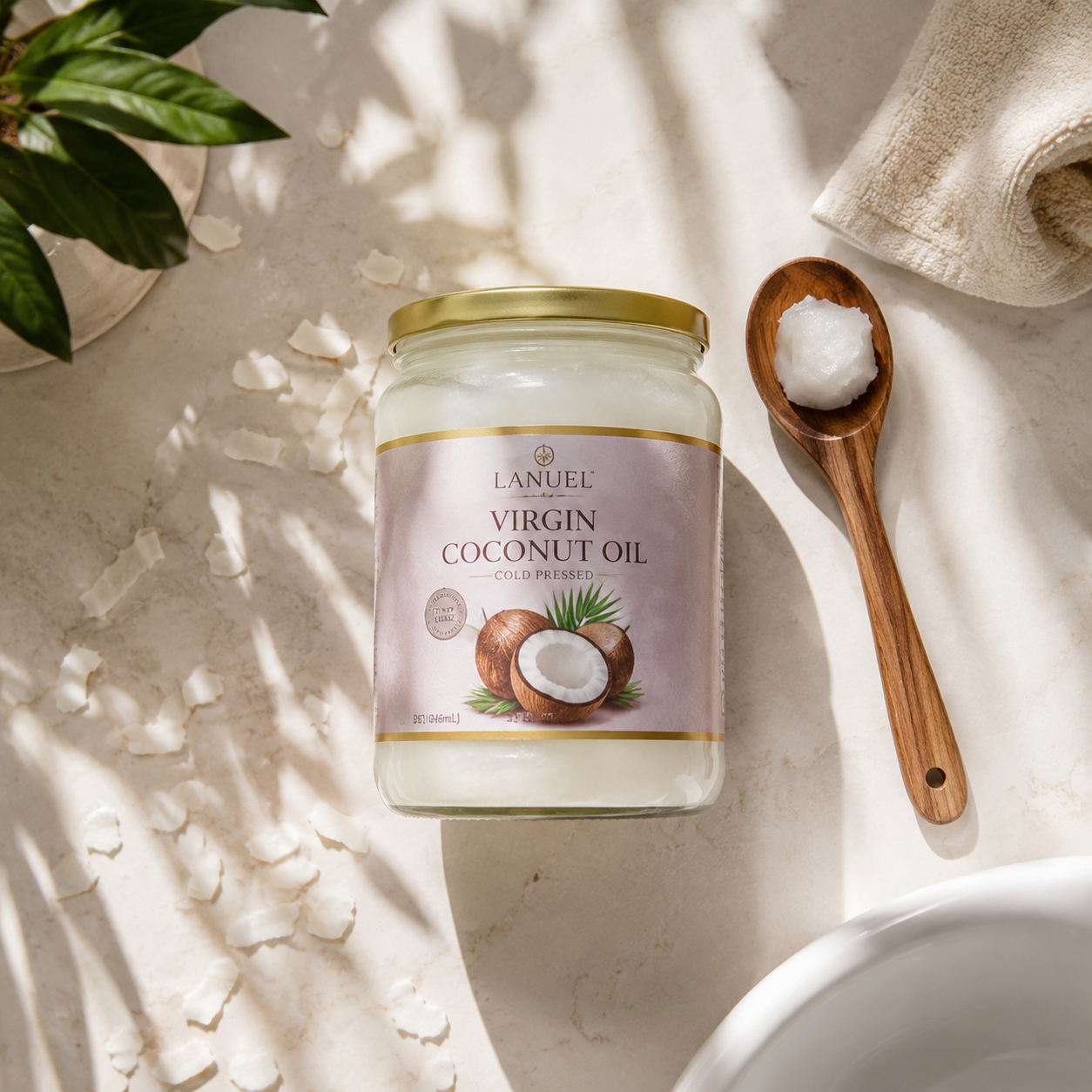
TL;DR: Swishing or brushing with coconut oil—an ancient Ayurvedic practice called oil pulling—can reduce certain harmful oral bacteria, freshen breath, and help control plaque, but it’s not a replacement for fluoride toothpaste or mechanical plaque removal. The biggest benefits come when you pair it with a modern brushing tool and keep your expectations realistic.
Why People Are Talking About It
You’ve probably seen the hashtag or watched a friend swish a spoonful of oil while making breakfast. Coconut oil has become the darling of natural wellness, celebrated for everything from sautéing vegetables to possibly transforming your dental routine. But when bold claims pop up—like “coconut oil heals cavities” or “throw away your toothpaste”—it’s smart to pause and ask: Is this a genuine upgrade or just another fad?
The truth sits somewhere in the middle. Oil pulling (swishing oil in the mouth) originated in Ayurveda, a traditional Indian medical system, where sesame and sunflower oils were used to “pull” toxins and strengthen teeth. Modern enthusiasts swapped in coconut oil for its pleasant taste and unique chemistry. We’re going to walk through exactly what research has uncovered, so you can decide if this habit deserves a spot in your morning routine.

What Does the Science Say?
Before you fill your bathroom with jars of coconut oil, let’s look at the evidence. While the studies aren’t enormous, they point to some genuine—if modest—oral health wins.
Bacteria and Plaque Reduction
Your mouth is home to billions of bacteria, and one of the main troublemakers is Streptococcus mutans. This bug feasts on sugar and churns out acid that erodes enamel, ultimately leading to cavities. A randomized controlled trial found that swishing with pure coconut oil for 10–15 minutes significantly reduced S. mutans counts compared to saline, with results comparable to sesame oil. Another study on dental students showed that daily coconut oil pulling for seven days lowered plaque scores by nearly 29%, a clear signal that the habit interferes with the sticky biofilm that brushing alone sometimes misses.
Comparable to Chlorhexidine?
In a 4-day plaque regrowth model, coconut oil pulling inhibited plaque buildup as effectively as a prescription-strength chlorhexidine mouthrinse—without the staining that often comes with that chemical rinse. That’s encouraging, but it’s important to note that most of these studies are short-term (7–30 days) and involve small groups of participants. The American Dental Association has stated there isn’t yet enough rigorous research to officially recommend oil pulling. So while the early data are promising, we’re not looking at a miracle cure.
Top Benefits You Could Notice
If you decide to try this, here’s what many people report—and what the science hints at.

- Fresher breath. Coconut oil’s lauric acid disrupts the membranes of odor-causing bacteria, and the swishing action physically lifts debris. Think of waking up without that thick “morning mouth goo” and feeling noticeably cleaner.
- Less visible plaque. Because the oil emulsifies and traps bacteria, you may see a thin white coating come off when you spit. Combined with gentle brushing, this can leave teeth feeling slick and smooth.
- A subtle brightening effect. Coconut oil won’t bleach your teeth like peroxide, but by removing the dull, bacteria-laden film, it can reveal your natural tooth shade. This is non-abrasive tooth whitening—gentle, if not dramatic.
- Softer gums. Early gingivitis—that slight puffiness or pink in the sink—may calm down, thanks to the anti-inflammatory properties of lauric acid and the increased saliva flow that oil pulling triggers.
The Risks You Need to Know
No natural remedy is risk-free, and coconut oil routines come with a few boundaries you should respect.
No Fluoride = No Cavity Shield
Coconut oil lacks fluoride, the mineral proven to remineralize early decay and make enamel more resistant to acid. If you swap your fluoride toothpaste entirely for coconut oil, you remove that protective layer. Over time, this could increase your cavity risk. The fix is simple: never ditch fluoride—use the oil as an adjunct, not a replacement.
Lipoid Pneumonia: Rare but Real
If you accidentally inhale tiny droplets of oil while swishing or brushing, the oily substance can settle in the lungs and cause a slow-burning inflammation called lipoid pneumonia. A report in the British Dental Journal highlighted cases linked to oil pulling. This is exceptionally uncommon, but it’s why experts caution against letting children under five try it and recommend that you swish gently, without tilting your head back or gargling.
Spit carefully—and never into the sink, because coconut oil solidifies into clogs. Use a trash can or a paper cup.

Jaw Fatigue and Upset Stomach
Holding a mouthful of liquid for 10–20 minutes is a workout for your chewing muscles. Some people develop temporary soreness or a tense jaw. Swallowing even a small amount of oil that’s now loaded with bacteria can also lead to nausea or an upset stomach, so spit carefully—and never into the sink, because coconut oil solidifies into clogs. Use a trash can or a paper cup.
Brushing vs. Swishing: The Right Method
There are two popular ways to use coconut oil in your mouth, and they serve slightly different purposes.
Traditional Oil Pulling (Swishing)

- Measure 1 tablespoon (about 10 ml) of virgin coconut oil. If solid, it melts quickly on your tongue.
- Swish and pull the oil between your teeth for 10–20 minutes. The liquid will turn thin and milky white as it emulsifies with saliva.
- Spit into a trash can (not the sink). Rinse with warm water afterward.
- Finish by brushing with a fluoride toothpaste. This ensures you remove any remaining oily residue and protect your enamel.
Brushing Directly with Coconut Oil

- Scoop a pea-sized amount of softened coconut oil onto a dry toothbrush.
- Brush gently for two minutes, just like you would with regular toothpaste. Don’t scrub hard—coconut oil is non-abrasive, but aggressive brushing can still damage gums.
- Spit, rinse thoroughly, and then follow up with a fluoride toothpaste brushing. Some people like to do the coconut oil step first, then a final round with their usual paste.
In both cases, the mechanical removal of plaque is crucial. Coconut oil can trap and loosen bacteria, but it can’t reliably dislodge the tenacious biofilm that a well-designed brush breaks apart. That’s where a modern electric toothbrush shines: it delivers thousands of precise movements per minute to disrupt plaque far beyond what any swish or manual brushing can achieve. After your oil pulling session, using a power toothbrush with fluoride toothpaste sweeps away any remaining debris and ensures every tooth surface gets thoroughly cleaned.
Mistakes That Undermine Your Efforts
Even a well-intentioned routine can backfire if you slip into these common traps.
- Swallowing the oil. It’s now carrying bacteria you don’t want in your gut. Always spit.
- Believing it replaces flossing or dental visits. Oil cannot reach deep between teeth like string floss or scrape off hardened tartar. Only a professional cleaning can do that.
- Overdoing it. More than once a day, or swishing far longer than 20 minutes, rarely adds benefit and may fatigue your jaw or increase the chance of inhaling mist.
- Using refined or flavored oils. Stick to virgin, cold-pressed coconut oil—it retains the highest levels of antimicrobial lauric acid and lacks processing chemicals.
The Verdict: Should You Add It to Your Routine?

Coconut oil pulling is a low-risk, affordable add-on that can genuinely reduce some of the bacteria responsible for halitosis, plaque, and mild gum sensitivity. The research, while limited, consistently points to a measurable drop in S. mutans and plaque accumulation—especially when the technique is practiced consistently.
However, it is not a standalone dental care system. Cavity prevention still hinges on fluoride exposure, and nothing short of mechanical plaque disruption—through flossing and effective brushing—will keep your teeth and gums healthy long-term. Think of coconut oil as a complementary habit: something you do before your main brushing routine to prime your mouth, not a replacement for the tools that science firmly backs.
Start slowly, listen to your body, and have a direct conversation with your dentist. They can help you decide if this addition makes sense for your specific oral health landscape. If you love the ritual and notice fresher breath, great. If you find it cumbersome or your jaw hurts, you’re not missing out on a dental necessity. Balance is everything.



Leave a comment
This site is protected by hCaptcha and the hCaptcha Privacy Policy and Terms of Service apply.