








Your enamel cannot regrow once it’s gone, but it can be repaired and reinforced through remineralization. With the right habits, diet, and science-backed products, you can reverse early weakness and stop damage in its tracks. The critical window is now — before softening turns into a cavity.

Understanding Enamel Erosion: What’s Really Happening to Your Teeth
Enamel is the hardest substance in your body, a crystalline shield made almost entirely of hydroxyapatite — a tightly packed compound of calcium and phosphate. But it isn’t indestructible. Every time you eat or drink something acidic, your mouth’s pH can drop below the critical pH of 5.5 — the point where hydroxyapatite begins to dissolve.
That dissolution is demineralization. Acids from citrus, soda, or even stomach reflux strip away calcium and phosphate ions, leaving the enamel microscopically weakened. If this happens too often without recovery, the surface becomes porous, chalky white spots appear, and eventually cavities form.
The good news: your body has a built-in repair system. Saliva acts as a mineral reservoir, naturally delivering calcium and phosphate back to the tooth surface. Provided the pH stays above 5.5, saliva remains supersaturated with these minerals , enabling remineralization — the process of redepositing lost minerals into the enamel lattice. Fluoride supercharges this by attracting calcium and phosphate and transforming them into an even stronger, acid-resistant crystal called fluorapatite.
So while you cannot “regrow” enamel that has completely dissolved away, you absolutely can rebuild and strengthen early, weakened lesions. The question is not if it’s possible, but how to support this natural chemistry before the damage becomes permanent.
Your Daily Defense: A Step-by-Step Routine

A successful remineralization strategy isn’t a list of products — it’s a repeatable sequence. Here’s a morning and evening habit stack that works with your biology, not against it.
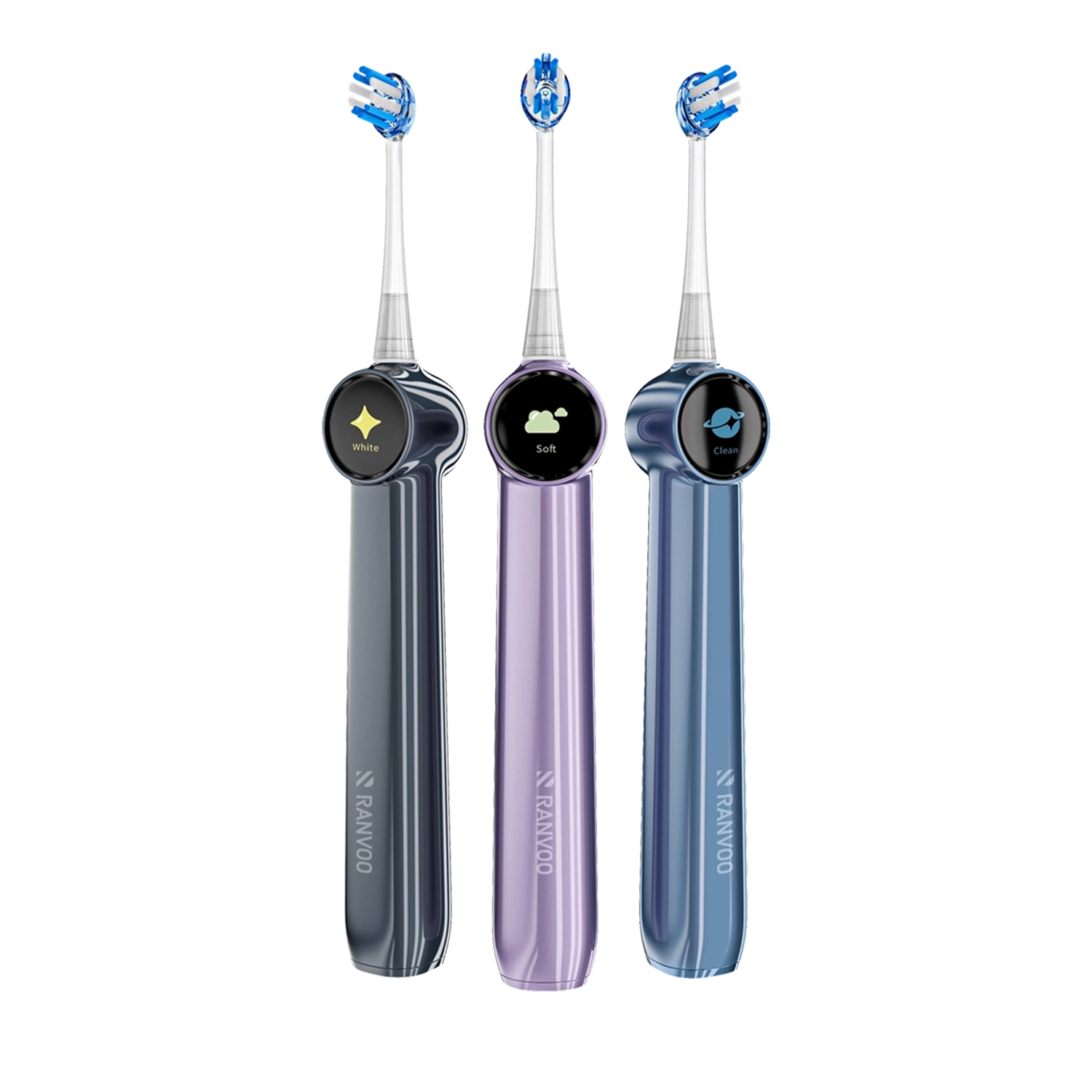
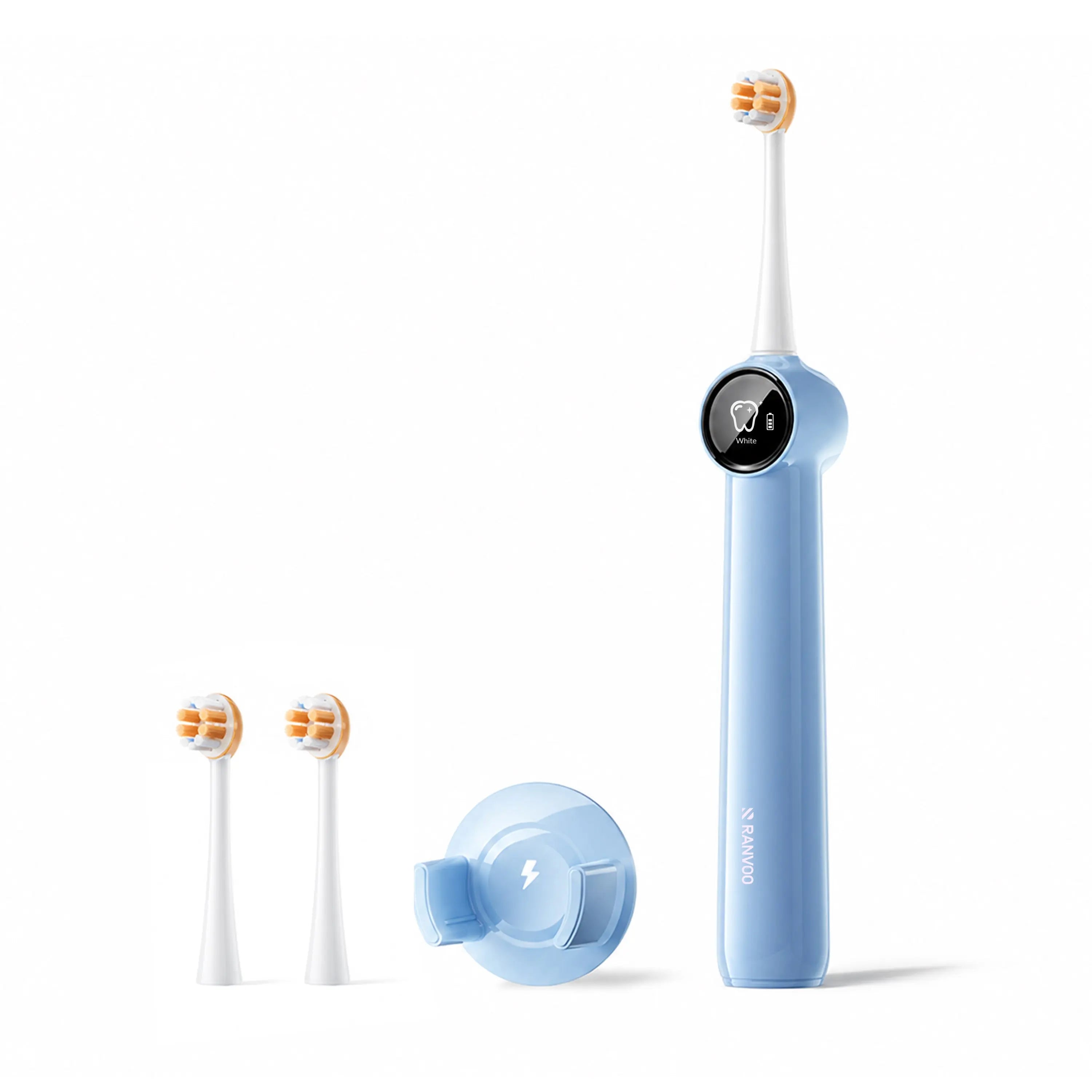
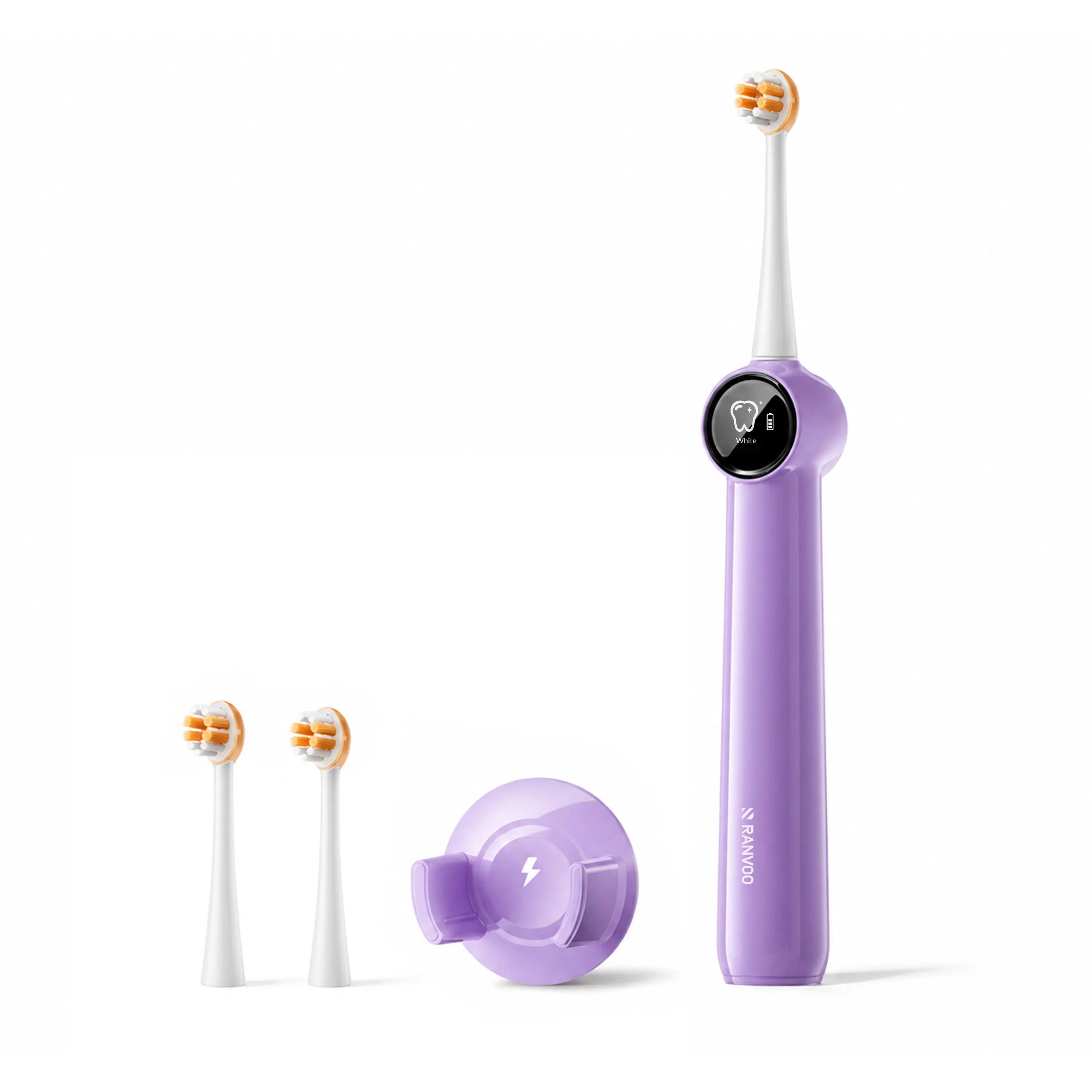
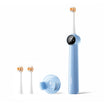
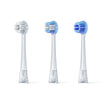
Morning - Rinse with water first. After waking, your mouth is dry and acidic. A plain water rinse kick-starts saliva flow and dilutes overnight acids. - Brush gently with a soft-bristled toothbrush. Use a fluoride toothpaste and take two full minutes. Brushing with an electric toothbrush not only removes plaque more thoroughly but also ensures the fresh fluoride coats your enamel evenly, maximizing mineral uptake. - Do not eat or drink for 30 minutes after brushing. This gives the fluoride time to bond with your enamel.
After Meals or Acidic Drinks - Rinse your mouth with water immediately after finishing. This rapidly neutralizes the pH. - Wait at least 30 minutes before brushing. Right after an acid attack, your enamel is softened — brushing too soon can actually scrub away the weakened surface layer. This is one of the most overlooked pieces of enamel protection advice. - Chew sugar-free gum with xylitol if you can’t brush. Xylitol reduces cavity-causing bacteria and stimulates saliva, which delivers its own calcium and phosphate to your teeth.
Evening - Floss first. Plaque between teeth is a reservoir of acid-producing bacteria. Removing it allows your remineralizing toothpaste to reach every surface. - Brush again with fluoride or nano-hydroxyapatite toothpaste. This is the most critical session, because saliva flow drops during sleep. You want a strong mineral layer on your enamel overnight. - Finish with an alcohol-free remineralizing mouth rinse if recommended. Look for ingredients like fluoride or CPP-ACP. Swish, then spit — don’t rinse with water afterwards, or you’ll wash away the actives.
Eat to Rebuild: Foods That Deliver Enamel-Strengthening Minerals

Remineralization doesn’t happen without raw materials. Your diet can directly supply the calcium and phosphate ions your saliva uses to repair enamel, and certain foods actively boost your mouth’s mineral-delivery engine.
Add these to your plate daily: - Dairy (milk, yogurt, cheese): Rich in bioavailable calcium, casein (which forms protective protein films on teeth), and phosphate. Cheese in particular stimulates copious saliva flow. - Leafy greens (kale, spinach): Provide calcium and vitamin K, which helps direct calcium to teeth and bones. - Nuts and seeds: Their crunchy texture mechanically stimulates saliva, and they deliver phosphorus and calcium. - Xylitol-sweetened gum or mints: Xylitol inhibits Streptococcus mutans, the bacterium most responsible for enamel-dissolving acid. It also pulls double duty by increasing saliva rich in calcium ions.
Saliva is your mouth’s delivery system. Every time you chew, you bathe your enamel in a mineral-rich fluid that neutralizes acid and pushes calcium and phosphate into micro-lesions. Think of your meals as a chance to fuel that process. You aren’t just “avoiding decay” — you’re actively flooding the area around your teeth with the building blocks needed for repair.
Products That Work: Evidence-Based Remineralizing Agents
The toothpaste aisle is filled with “enamel repair” claims. Cutting through the hype requires understanding the chemistry.
Fluoride is still the gold standard. It works as a catalyst, speeding up the formation of fluorapatite crystals that are more resistant to acid than native hydroxyapatite. Prescription-strength pastes (5000 ppm) are available through your dentist for high-risk periods, while over-the-counter formulas (1000–1500 ppm) are sufficient for daily maintenance.
Nano-hydroxyapatite toothpaste is a compelling alternative, especially for those who avoid fluoride. These synthetic particles are chemically identical to the mineral in your teeth and can directly fill microscopic defects and exposed dentin tubules, reducing sensitivity and creating a smoother surface.
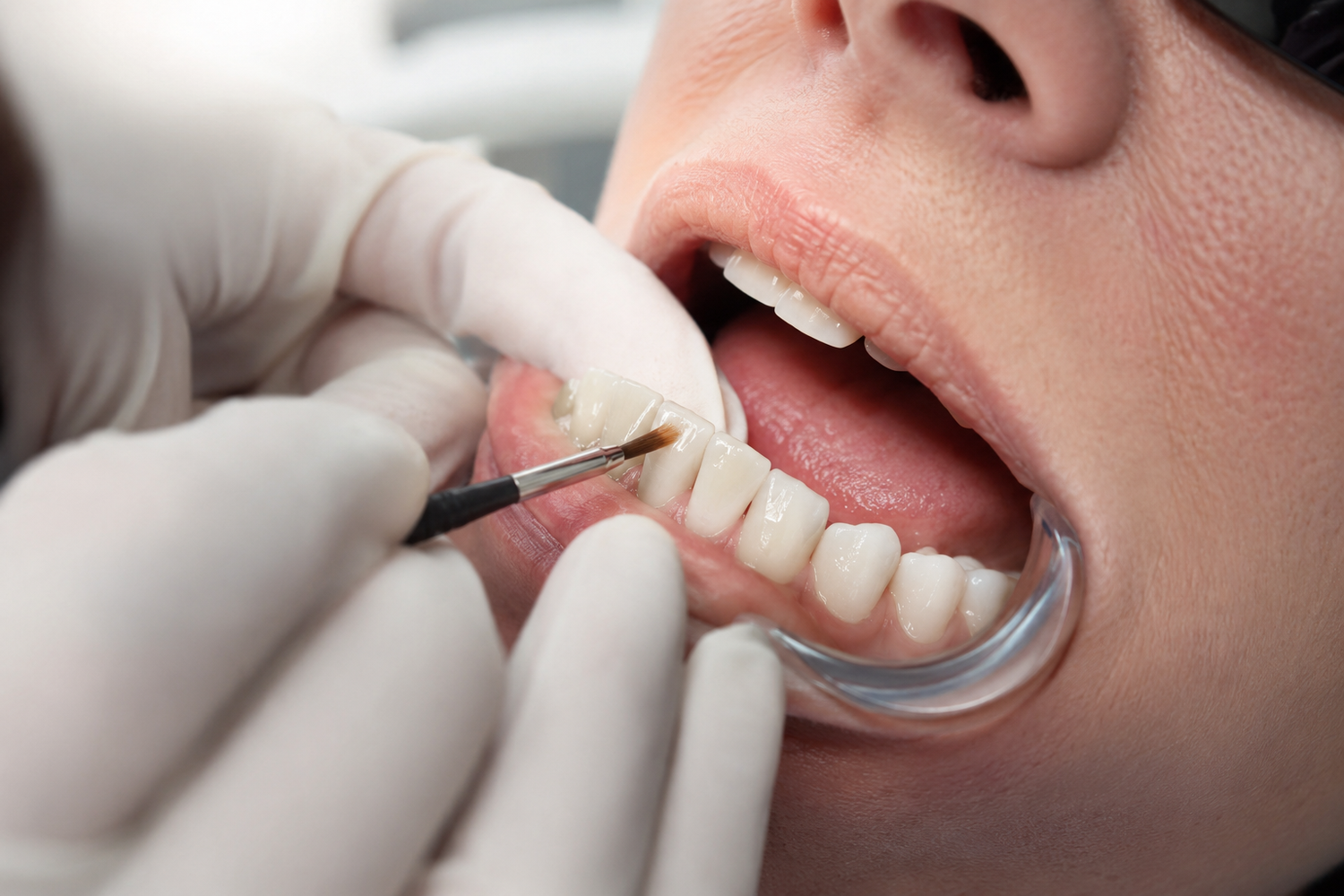
CPP-ACP (casein phosphopeptide–amorphous calcium phosphate) is a milk-derived technology that binds bioavailable calcium and phosphate to the enamel, creating a mineral reservoir that releases ions exactly when acidity rises. A systematic review confirmed that CPP-ACP is effective at remineralizing white spot lesions, but combining it with fluoride delivers even better results. For patients who need an accelerated push — such as after orthodontics — a high-concentration 60% CPP-ACP formulation applied daily produced 36.6% remineralization of early lesions in just two weeks in an in situ study. These professional-grade pastes or gels are applied with a brush or tray and can dramatically speed up the process.
When selecting a product, focus on the active ingredients, not the marketing. A toothpaste containing fluoride plus xylitol, or nano-hydroxyapatite with xylitol, gives you multiple angles of attack: strengthening the existing mineral, delivering building blocks, and starving acid-producing bacteria.
Stop These Enamel Killers: Hidden Habits That Undo Your Progress

Even a perfect remineralization routine can be sabotaged by three stealthy destroyers.
- Guzzling lemon water, kombucha, or sparkling beverages all day. Sipping acidic drinks over hours keeps your mouth below the critical pH 5.5, stripping minerals faster than saliva can replace them. If you can’t give them up, use a straw, rinse with water after every sip, and never brush for at least 30 minutes. The damage from constant acid bathing is so rapid that it can completely erase weeks of remineralization effort.
- Brushing immediately after vomiting or acid reflux. Stomach acid is far stronger than dietary acid. Brushing right after exposure grinds the softened enamel away like sandpaper. Instead, rinse vigorously with water and a pinch of baking soda (to help neutralize pH), and wait at least one hour before brushing. If you have GERD or chronic reflux, managing the underlying condition is essential to saving your enamel.
- Nighttime grinding (bruxism). Even if you remineralize during the day, unconscious grinding can mechanically fracture and flatten enamel faster than it can be rebuilt. A custom nightguard doesn’t just protect — it prevents the micro-cracks where acid then penetrates more deeply. If you wake up with a sore jaw, headaches, or notice flattened tooth edges, bruxism is likely damaging your enamel. If you also tend to scrub too hard while brushing, a power toothbrush with a built-in pressure sensor can alert you when you’re pushing too firmly, protecting enamel from unnecessary wear.
When Professional Help Makes Sense

Home care is powerful, but some signs tell you it’s time for reinforcements:
- Persistent sensitivity to hot, cold, or sweet that doesn’t improve after a month of consistent remineralization.
- Transparency at the biting edges of front teeth — a classic sign of enamel thinning.
- Small craters or actual roughness you can feel with your tongue.
These aren’t failures; they’re signals to escalate the approach. Your dentist can apply fluoride varnish at concentrations far higher than toothpaste, which penetrates deeper and sets up a long-lasting mineral release. CPP-ACP pastes (such as MI Paste) can be prescribed for at-home use with customized trays to focus the treatment on specific lesions. And if grinding is the main culprit, a professionally fitted nightguard will stop the mechanical destruction cold.
These procedures are painless, fast, and often covered by insurance as prevention. They don’t replace your daily routine — they make it work faster.
Tracking Your Progress: A Realistic Timeline and What to Expect
Remineralization is a slow, steady biological process, not a quick fix. But you can measure progress.
First 2–4 weeks: You’ll likely notice a drop in sensitivity. That cold water zing becomes less sharp because the dentin tubules are being covered. Your teeth may feel smoother to your tongue as the surface regains some density.
4–8 weeks: Early white spot lesions may begin to visually shrink or fade, especially if you’re using high-fluoride or CPP-ACP therapy. The enamel should look less opaque when dry.
3–6 months: Harder to see but detectable with professional tools like DIAGNOdent or QLF — the mineral content of the lesion can show measurable increases. Full regression often takes months, not weeks, but it can happen without drilling.
To stay motivated, track your sensitivity with a simple 1–10 scale when you drink cold water. Watch for those small, tangible wins. They are proof that your strategy is rebuilding the very architecture of your smile — one mineral ion at a time.
This article has been reviewed by an oral health professional for accuracy. It is intended to provide general educational information and should not be used as a substitute for personalized medical advice, diagnosis, or treatment. If you have questions or concerns about your oral health, please consult a dentist, physician, or other qualified healthcare provider.