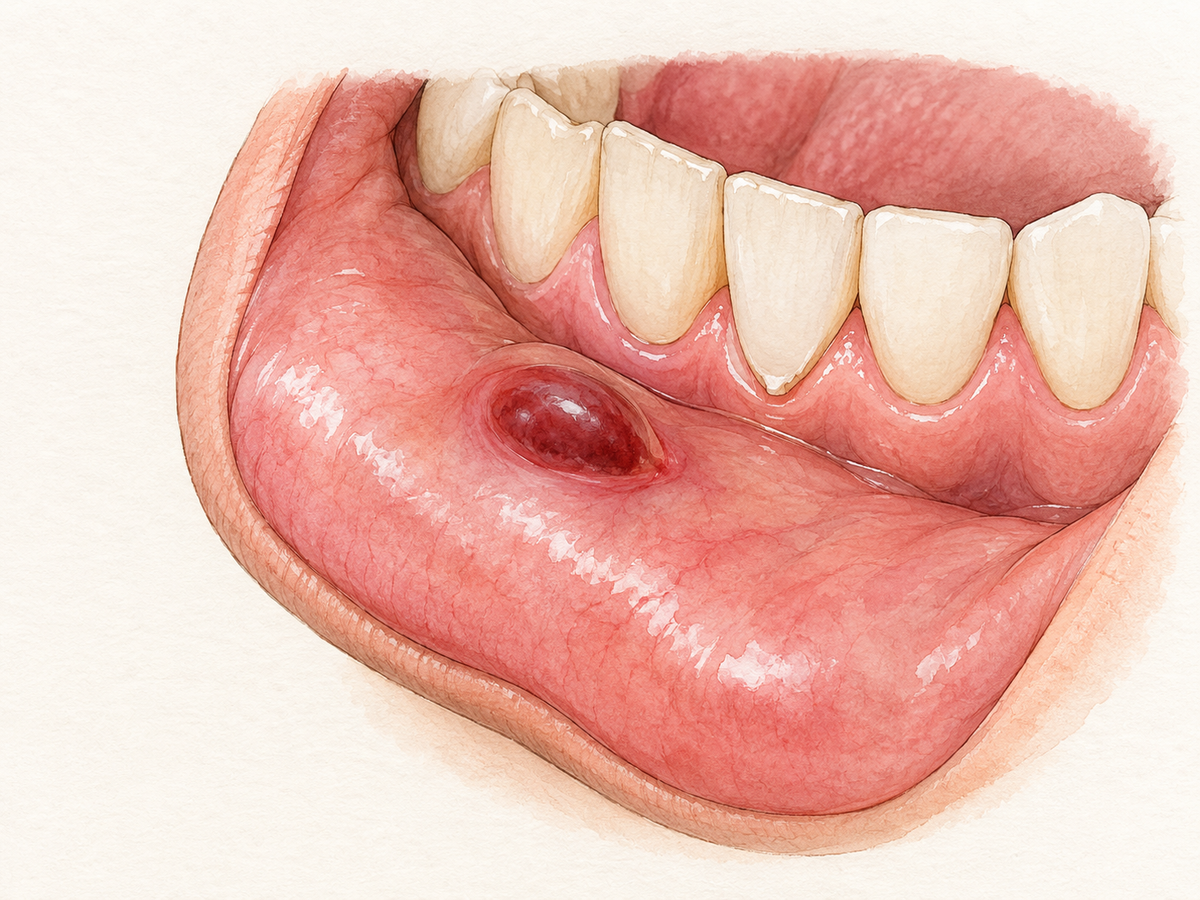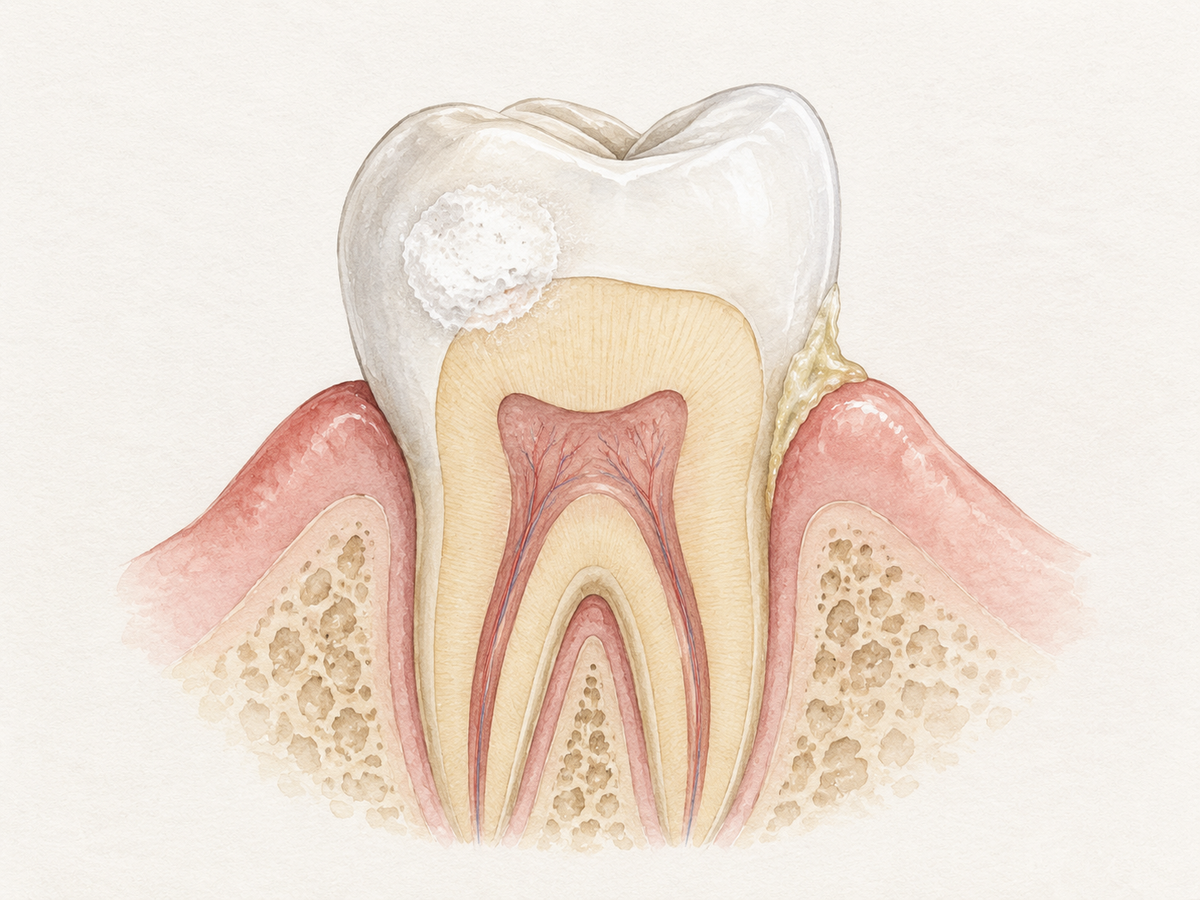
Some white spots on teeth can fade, but not all. If the spot is early demineralization — mineral loss in the enamel that can become a cavity — consistent fluoride or hydroxyapatite care may help it improve. If the spot comes from fluorosis or enamel hypoplasia (underdeveloped enamel), home care alone is unlikely to remove it. The best first step is to find out why the spot is there.
The main thing to know: early mineral-loss spots may improve with daily remineralization. Fluorosis, hypoplasia, and old enamel flaws usually need professional masking or repair.
What’s Causing Your White Spots?
White spots are not all the same. The cause guides the treatment.
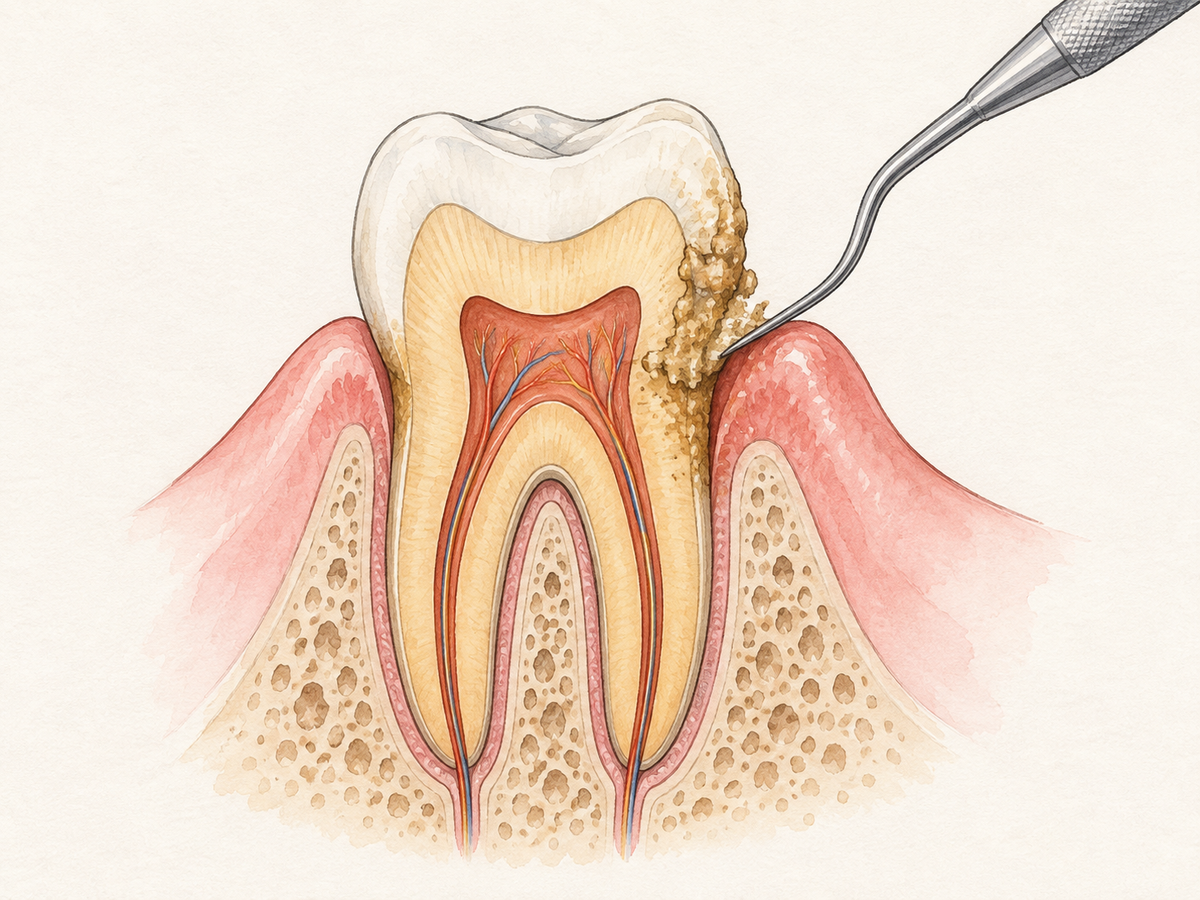
Demineralization or early decay. When plaque and acids sit on enamel, minerals leave the surface. The area looks chalky and may feel rough. White spot lesions are the first visible stage of tooth decay. They are linked to plaque buildup, especially around braces or along the gumline. clinical review of white spot lesions Caught early, this type may still improve because the enamel is only partly weakened. explanation of carious white spots
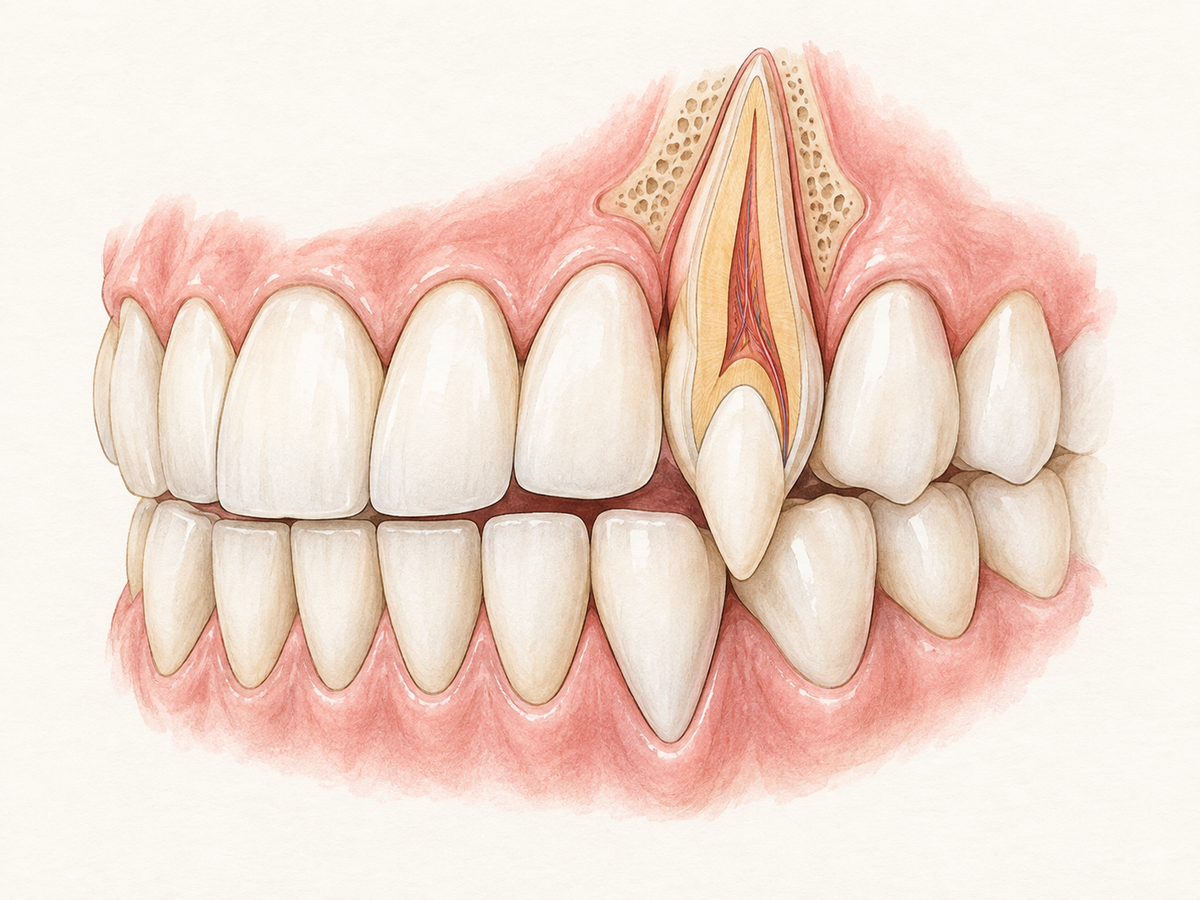
Fluorosis. Too much fluoride during childhood tooth development can leave white streaks or patches, often in a symmetrical pattern. This is not active decay. The spots are part of the enamel itself. review of developmental enamel defects
Enamel hypoplasia. This means the enamel did not form fully. It can look like pits, grooves, or thin areas. Sometimes it is hard to tell hypoplasia from mineral loss, so a dentist’s exam helps. explanation of hypoplasia and hypomineralisation
Plaque buildup and acid erosion. Sticky plaque and acidic drinks can both remove minerals and make early white spots worse. If you had braces, chalky spots around where brackets sat are common. These are often decalcification spots from plaque trapped around the hardware.
These causes can overlap. A dentist can tell the difference by looking at the pattern, shape, and texture.
At-Home Care That May Help
If the white spot is early demineralization, daily habits can strengthen enamel. These habits are safe, but they are not quick erasers.
- Brush twice a day with fluoride toothpaste or a hydroxyapatite toothpaste.
- Floss daily to remove plaque between teeth.
- Cut back on sugary drinks, soda, and acidic drinks.
- Use a fluoride mouthwash if your dentist says it fits your needs.
- Ask about MI Paste or similar remineralizing pastes before using them.
The goal is remineralization — putting minerals back into weak enamel. Fluoride supports this process. Hydroxyapatite is a tooth-like mineral that may also help. In one trial, a nano-hydroxyapatite toothpaste outperformed fluoride toothpaste at reducing white spot size after braces. randomized trial on nano-hydroxyapatite vs fluoride Another trial found hydroxyapatite toothpaste reduced sensitivity more than regular fluoride toothpaste. hydroxyapatite toothpaste trial
Remember: home care mainly helps early mineral-loss spots. It will not erase fluorosis or underdeveloped enamel. Give it 4 to 6 weeks before judging results. If nothing changes, that is a clue to see a dentist.
Does Whitening Work on White Spots?
Whitening is not usually the best first fix for white spots. Whitening lightens the overall tooth, but the white spot may stay the same. The result can be more contrast, not less.
Some dental teams may recommend whitening as part of a plan after the spot is remineralized or treated with resin. Evidence on whitening for white spots is mixed and limited. systematic review of bleaching for post-orthodontic white spots
Do not use strong whitening products on a tooth with active decay or sensitivity. If you are curious about whitening, let a dentist guide the order of treatment.
Professional Treatments, Least to Most Invasive
When home care is not enough, a dentist can treat the spot. The order below starts with the gentlest option and saves as much natural tooth as possible.
| Treatment | What it is | Best for |
|---|---|---|
| Fluoride varnish | A professional fluoride coating applied in the office | Early demineralization; preventing more mineral loss |
| Resin infiltration (Icon) | A thin resin that fills the porous white area | Masking fluorosis and demineralization spots |
| Microabrasion | Gentle polishing of the outer enamel layer | Surface-level stains and very shallow spots |
| Composite bonding | Tooth-colored filling material over the defect | Pits, larger defects, or spots that do not respond to gentler care |
| Veneers or crowns | A custom cover or cap over the tooth | Severe enamel defects or large cosmetic concerns |
Resin infiltration hides the spot by matching the enamel’s look. Evidence shows it masks white spot lesions and fluorosis better than no treatment or fluoride varnish alone. systematic review of resin infiltration It also performs well for mild to moderate dental fluorosis. systematic review on resin infiltration for fluorosis
Microabrasion removes a tiny layer of enamel. It can work for shallow surface stains, but the spot may come back or the surface may roughen over time. comparison of microabrasion and resin infiltration
The right order matters. Start conservatively to protect your natural enamel.
DIY Mistakes That Make It Worse
Some home trends can damage enamel more than help. Skip these:
- Baking soda mixed with lemon
- Soaking teeth in hydrogen peroxide
- Charcoal scrubs or charcoal powder
- Filing or scraping enamel at home
These methods may erode enamel or create a rough surface. That can make spots more obvious and increase sensitivity. In a laboratory study, a salt-and-lemon toothpaste caused the most enamel surface change and mineral loss among tested products. study on whitening toothpaste wear Charcoal products are often abrasive and have no real bleaching effect. review of charcoal toothpastes
Enamel does not grow back once it is filed or eroded away. Protect it.
When to See a Dentist
Book a dental exam if the spot:
- grows or spreads
- hurts or feels sensitive
- feels rough, pitted, or sticky when you run your tongue over it
- appears next to a dark area or what looks like a cavity
- still bothers you after 4 to 6 weeks of consistent home care
- bothers you cosmetically
Early treatment is usually simpler and less invasive. A dentist can check whether the spot is active decay, an old defect, or something else. If it is early decay, catching it before it becomes a cavity is the goal.
Prevent New White Spots
Prevention works. Keep these habits:
- Brush twice daily with fluoride toothpaste.
- Floss once a day.
- Limit soda, sugary drinks, and frequent acidic snacks.
- Drink water, especially after eating.
- Keep regular dental cleanings.
If you have braces or clear aligners, plaque builds up around brackets and attachments. White spots around brackets are common. Fluoride varnish or sealants may help lower the risk. systematic review of fluoride varnish for white spots
These steps protect the enamel you have. They can keep existing spots from worsening and lower the chance new ones appear.
This article has been reviewed by an oral health professional for accuracy. It is intended to provide general educational information and should not be used as a substitute for personalized medical advice, diagnosis, or treatment. If you have questions or concerns about your oral health, please consult a dentist, physician, or other qualified healthcare provider.