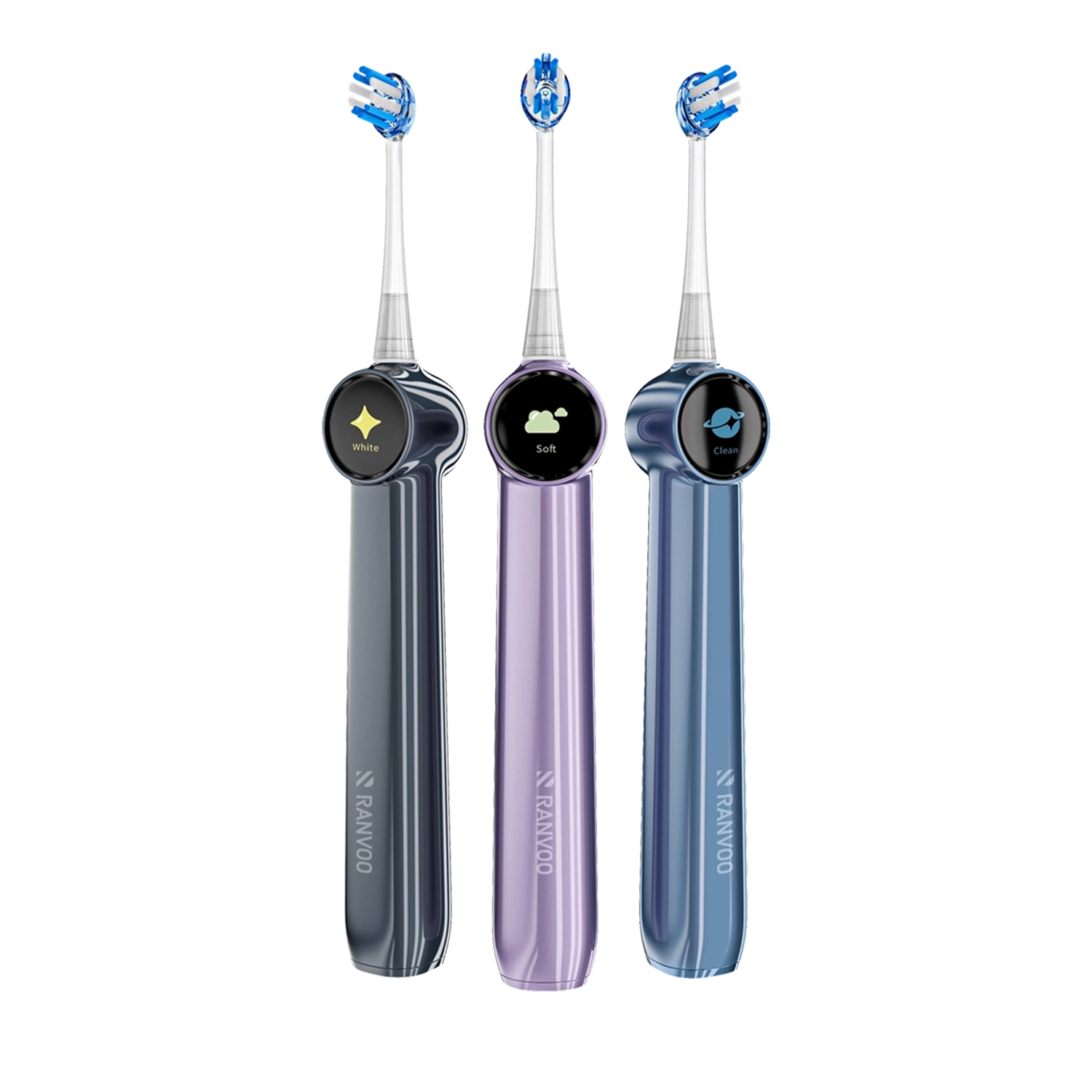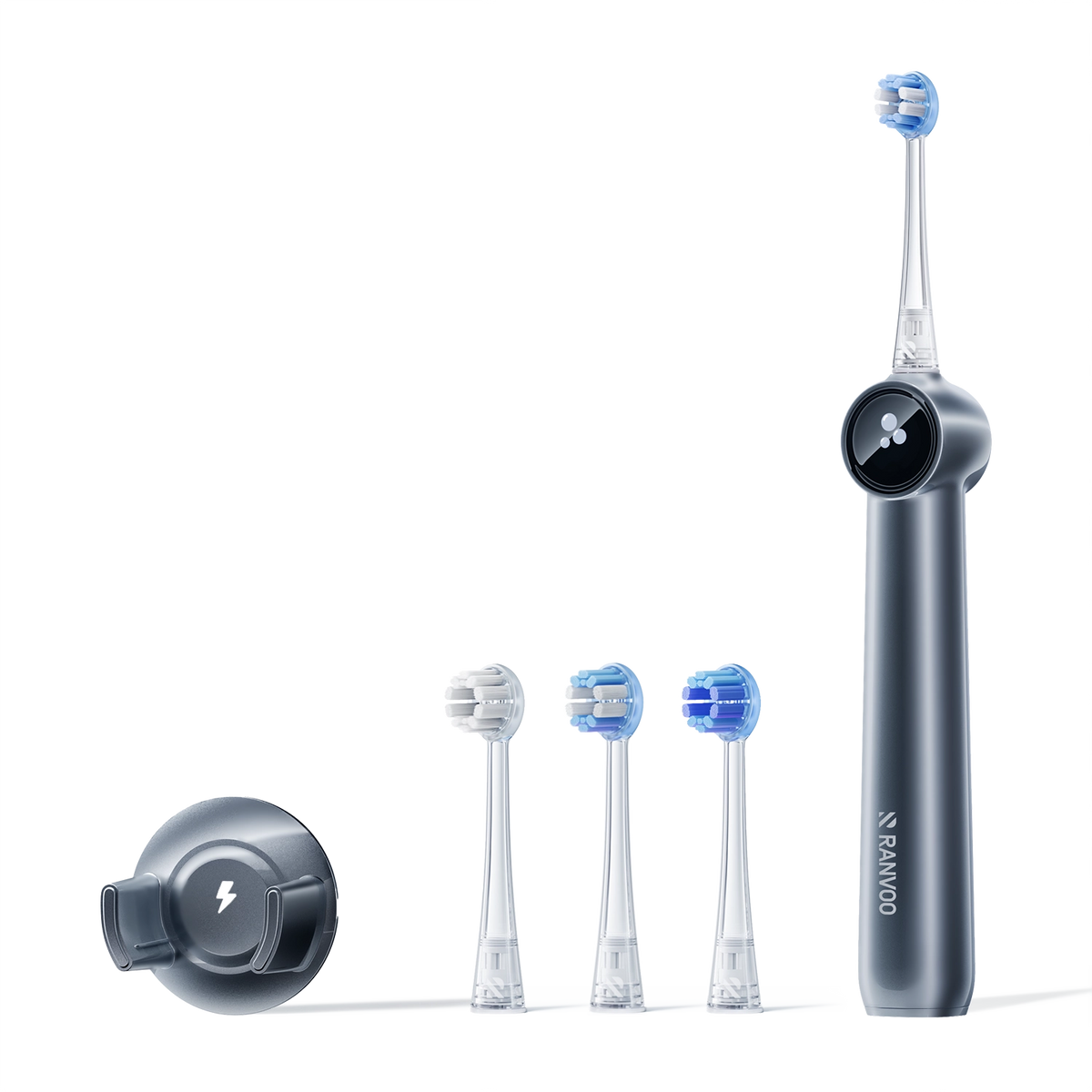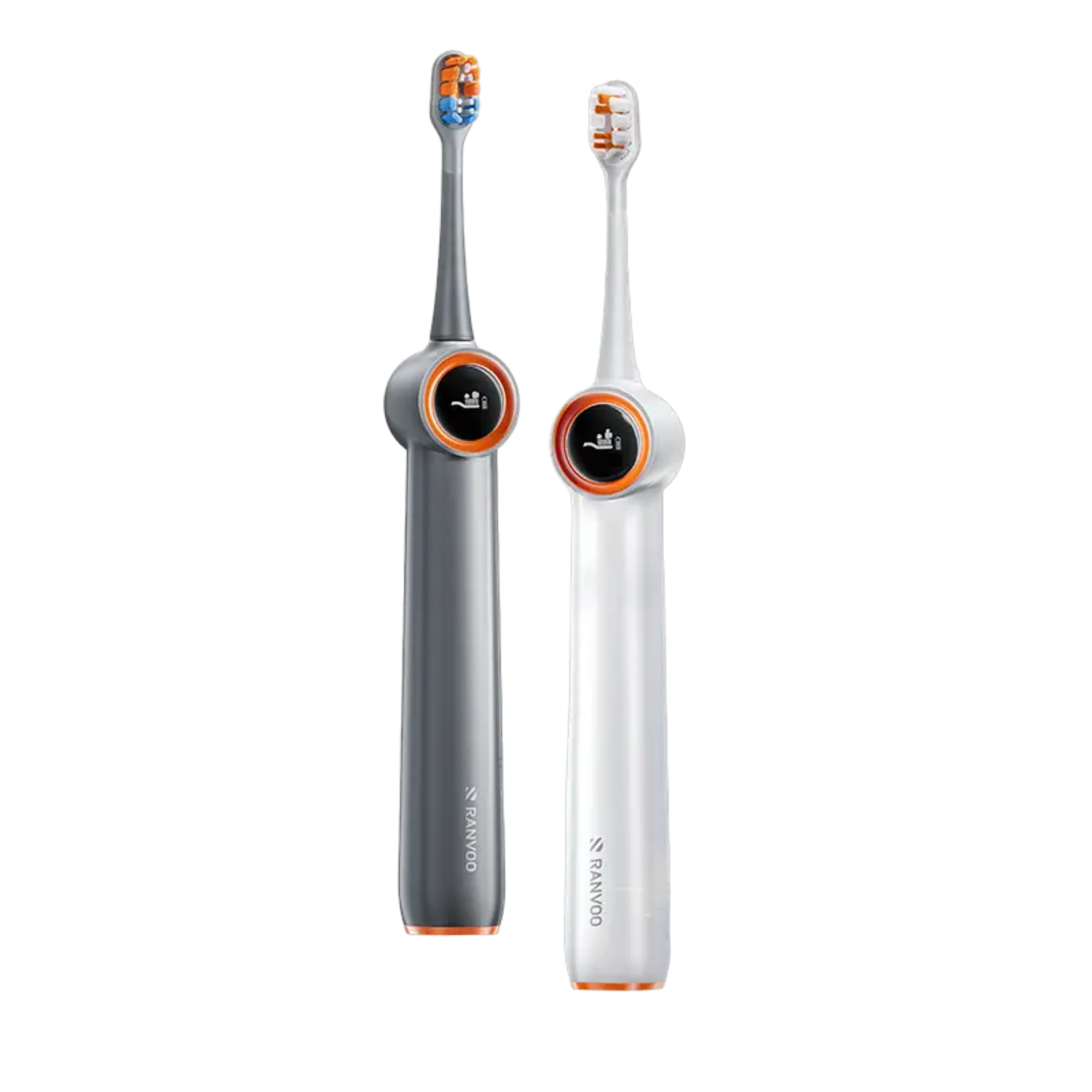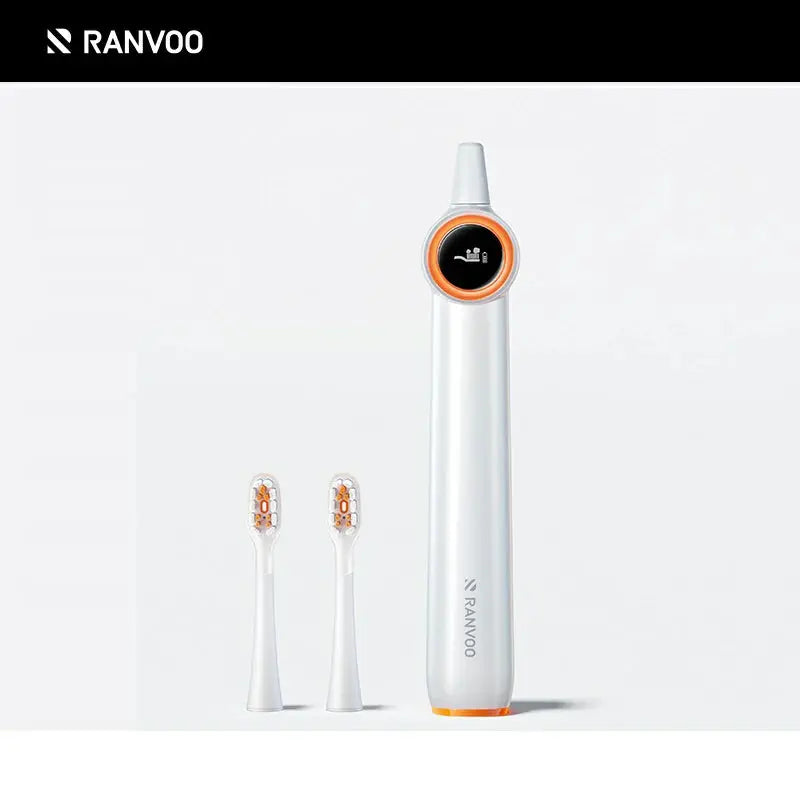





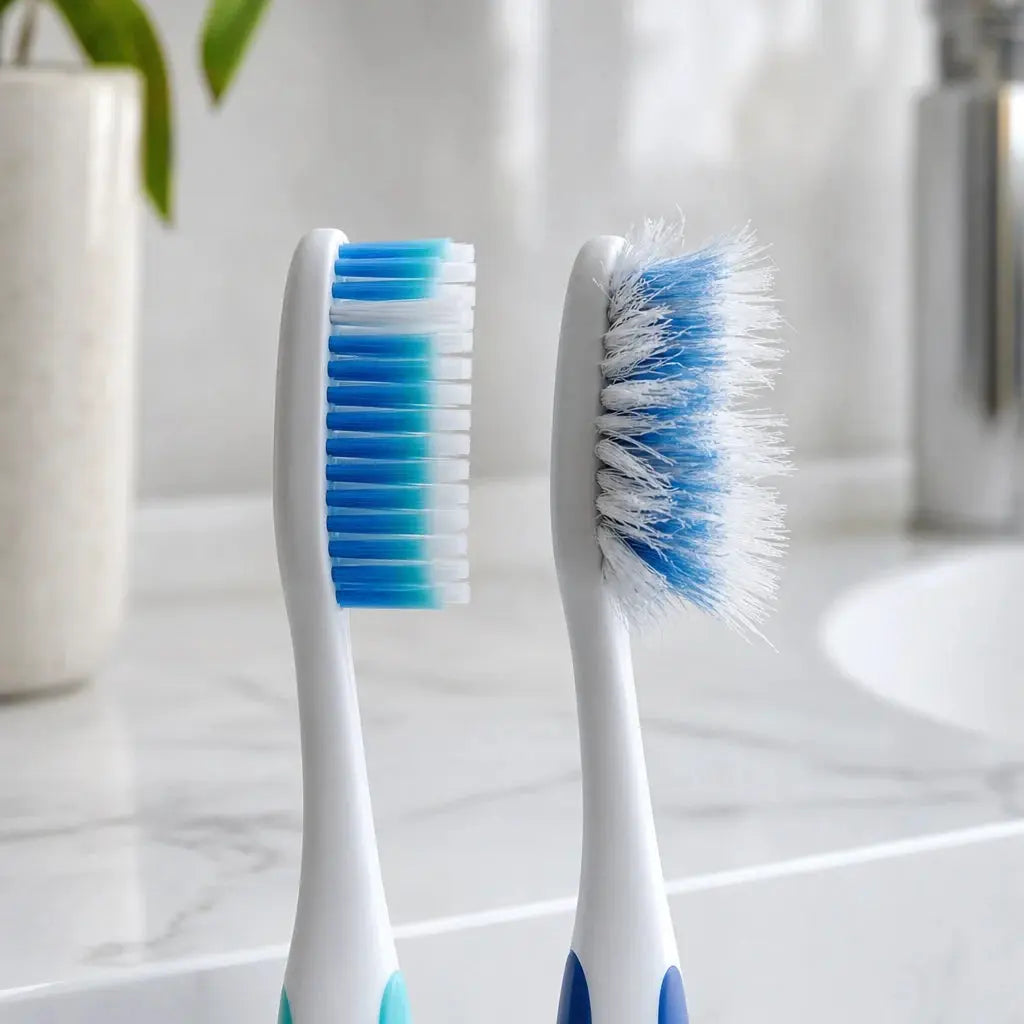
TL;DR: Replace your toothbrush or electric toothbrush head every 3 to 4 months. But don't count the days religiously — watch for frayed, splayed, or faded bristles instead. If the bristles look worn before the 3-month mark, toss it. And always get a new brush after being sick. Your gums will thank you.
You probably know the feeling. You glance at your toothbrush one morning and wonder: Has this thing been here since New Year's? It looks a little rough around the edges, but it still lathers up, so it's probably fine, right?
Not so fast. A worn-out toothbrush isn't just an aesthetic problem. It's genuinely less effective at removing dental plaque, the sticky biofilm that causes cavities and gum disease. The good news? Knowing when to swap your brush is surprisingly simple once you know what to look for.

The Core Rule: Every 3 to 4 Months, No Exceptions
The American Dental Association (ADA) recommends replacing your toothbrush — or the head of your electric brush — every three to four months. This isn't an arbitrary number pulled from thin air. It's grounded in how bristles physically degrade and how bacteria colonize the brush over time.
A consensus statement from the FDI World Dental Federation found that 96% of international dental experts agree on this 3-to-4-month window, or sooner if the bristles are visibly matted or frayed. They also specifically note that brushes should be replaced immediately after any infection.
Think of it as a quarterly ritual. When you flip your calendar to a new season, check your toothbrush. For a manual brush, that means grabbing a fresh one. For an electric toothbrush, it means clicking on a new head. Kids' brushes often wear out even faster, so glance at theirs monthly.
5 Unmistakable Signs It's Time for a New Toothbrush
The calendar says three months, but your eyes should have the final say. Toothbrush bristle degradation is the single most reliable signal that your brush has retired from active duty.
Here are the red flags you can't afford to ignore:
- Frayed or splayed bristles: This is the big one. If the outer tufts are bending outward beyond the base of the brush head, the anatomy of the brush has changed. Research published in the journal Materials confirms that bristle stiffness drops significantly after just two months of use, and this loss of rigidity directly compromises plaque removal.
- Matted or flattened tufts: Brushing should feel like thousands of tiny tips disrupting the plaque film. A matted brush feels more like a wet mop against your teeth. It glides instead of scrubbing, leaving the sticky stuff behind.
- Discolored bristles: A change in color isn't just cosmetic. It often signals fungal or bacterial colonization deep within the filaments. If your once-white brush is now yellowing or grey at the base, it's a hygiene hazard.
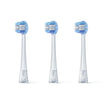
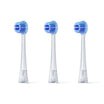
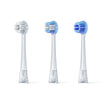
- Faded indicator bristles: Many manual and power toothbrush heads have blue bristles that slowly fade to white. When the color is gone, it's a built-in memo that the brush has logged roughly three months of use.
- A persistent funky smell: A healthy toothbrush should smell like almost nothing. If it has a musty or sour odor even after you rinse it thoroughly, bacterial accumulation has set up camp in the tufts. This isn't just unpleasant; it means you're scrubbing bacteria onto your teeth.
Here's the critical point: a toothbrush with splayed outer tufts cannot effectively reach the gumline or between teeth. A study that tracked toothbrush wear in 172 individuals demonstrated that those whose brushes showed extreme wear had significantly higher plaque scores than those with brushes showing only light wear. The visual cue of splayed bristles isn't just pet peeve — it's a direct measure of cleaning failure.
When to Toss It Immediately (No Matter How New It Is)
There are situations where the calendar becomes irrelevant. You need a new toothbrush right now.
After Any Illness
This is the most overlooked rule in oral care. Your toothbrush is a reservoir. Pathogens from a cold, flu, strep throat, or mouth infection can survive in the moist environment between bristles. A review of toothbrush contamination literature found that toothbrushes can harbor bacteria and viruses, including Staphylococcus aureus, and that the oral cavity can be re-inoculated by using a contaminated brush.
The playbook is simple: the day you recover, toss the brush. This is especially crucial if you share a bathroom. A stored brush carrying active pathogens can potentially cross-contaminate other brushes stored nearby.
Visible Mold or Mildew
Check the base of the bristles where they meet the plastic head. If you see tiny black or pink spots, that's mold. There's no fixing this. Throw the brush away immediately and reconsider how you're storing it.
You Can't Remember When You Bought It
If the answer to "how old is this toothbrush?" is "I honestly have no idea," it's too old. Make the safe call. Replace it today and set up a reminder system for the next one.
The Hidden Risks of Waiting Too Long
Pushing a toothbrush past its prime isn't harmless. The consequences are real, and they compound over time.
- Poor plaque removal: The whole point of brushing is to mechanically disrupt the plaque biofilm. Worn bristles can't do this. An experimental study on bristle flaring revealed a progressive increase in plaque accumulation as toothbrush bristles flared over a 100-day period. Simply put, older brushes left more plaque behind.
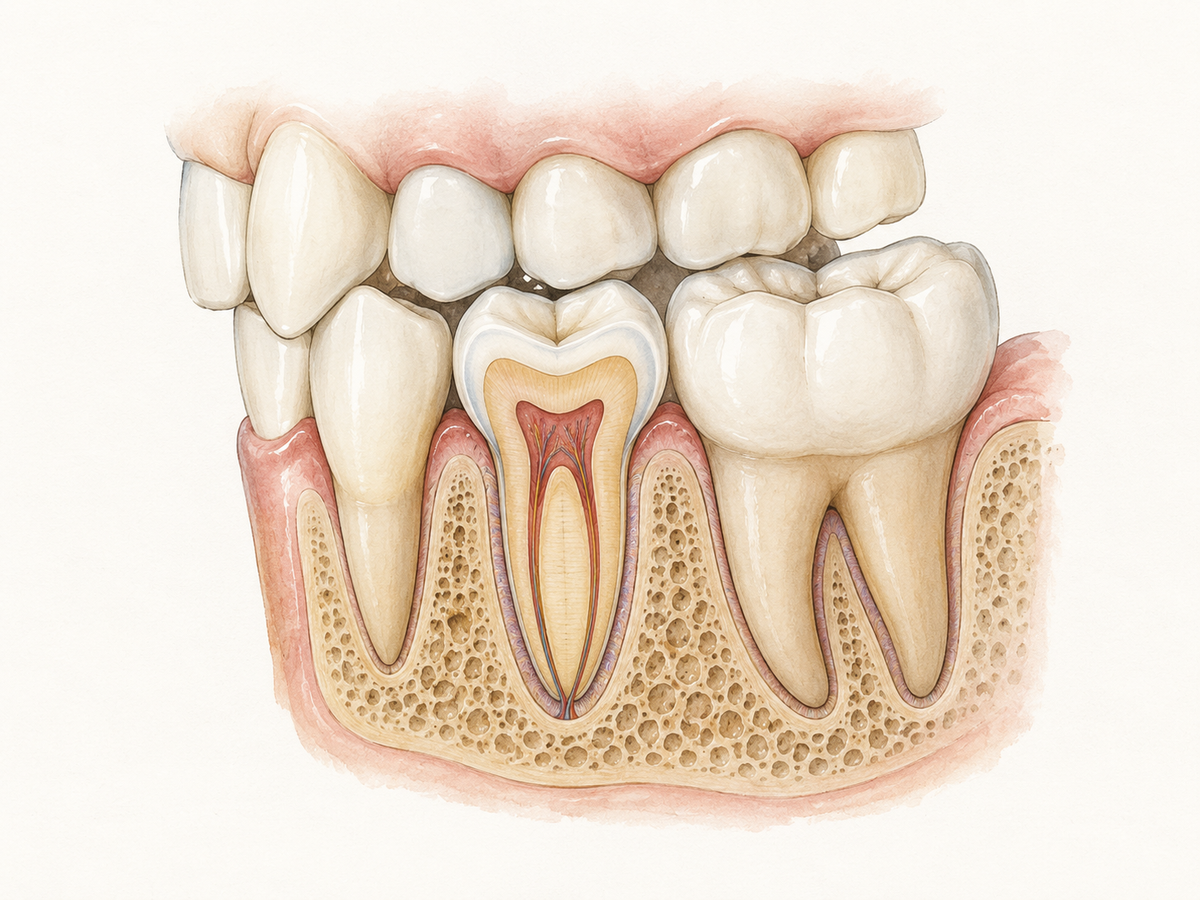
- Gingivitis and gum inflammation: When plaque sits undisturbed along the gumline, your gums react. They become red, puffy, and prone to bleeding. That's gingivitis, the precursor to periodontitis. A fresh brush head is one of the simplest tools to reverse this trajectory.
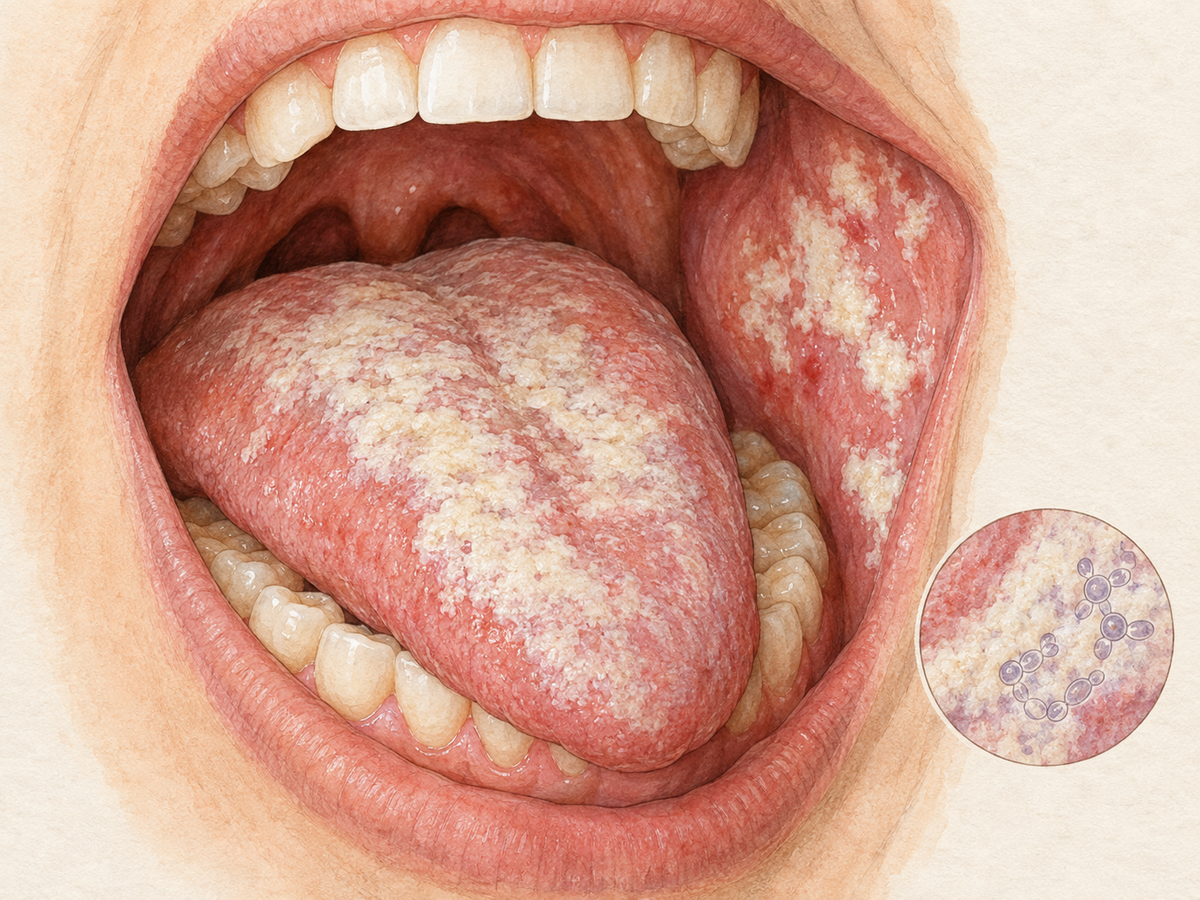
- Re-exposure to old bacteria: Using the same brush for too long means you're repeatedly introducing a well-established bacterial colony back into your mouth each morning. The microbes that cause cavities (Streptococcus mutans) and fungi like Candida thrive in the damp bristle environment.
- Gum and enamel irritation: Overly splayed, hardened bristles present uneven pressure zones. Instead of softly massaging the gumline, they can create micro-abrasions and contribute to gum recession over time. A fresh brush feels gentle and effective, not abrasive.
The feeling of cleaning with a brand-new brush — that crisp, efficient sweep — isn't a luxury. It's what effective home care is supposed to feel like every day. When you realize your brush has been slipping for weeks, you understand how much performance you sacrificed.
How to Make Your Toothbrush Last (Without Crossing the 4-Month Line)
Good habits keep your brush in fighting shape for the full three to four months. Bad habits destroy bristles in weeks.
- Rinse thoroughly after every use. Hold the brush under running tap water and use your thumb to riffle through the bristles, dislodging toothpaste and debris.
- Store it upright and let it air-dry. Bacteria love moisture. A closed container or a travel cap on a wet brush creates a humid breeding ground. Let it breathe in the open air, standing up in a cup or holder.
- Never share toothbrushes. This one is non-negotiable. Sharing transfers saliva, blood-borne pathogens, and cavity-causing bacteria between individuals.
- Keep brushes separated. If multiple brushes live in the same holder, make sure the heads don't touch. Cross-contamination between family members' brushes is a real risk, especially after someone has been ill.
- Don't brush like you're sanding wood. Excessive pressure bends and frays bristles prematurely. If your bristles splay after just a few weeks, you're pressing way too hard. Let the brush tips do the work.
These habits preserve bristle integrity, but they do not extend the safe lifespan of the brush beyond roughly four months. Even a pristine-looking brush accumulates a biofilm at the microscopic level. The 3–4 month limit remains the safety net.
Simple Ways to Remember to Change It
Oral health routines thrive on autopilot. Don't rely on your memory. Build a trigger.
- Tie it to the calendar. Replace your brush on the first day of each new season: March 1st, June 1st, September 1st, December 1st. Or peg it to daylight saving time changes.
- Use your phone. Set a recurring reminder. "New toothbrush head" takes ten seconds to schedule and saves you months of ineffective cleaning.
- Link it to another regular purchase. If you replace your mascara or contact lens case quarterly, add a toothbrush swap to that mental checklist. Simultaneous replacements make it harder to forget.
- Write the date on the handle. Keep a Sharpie in the bathroom drawer. When you open a new brush, write the date on the grip. Three months later, the evidence is literally in your hand.
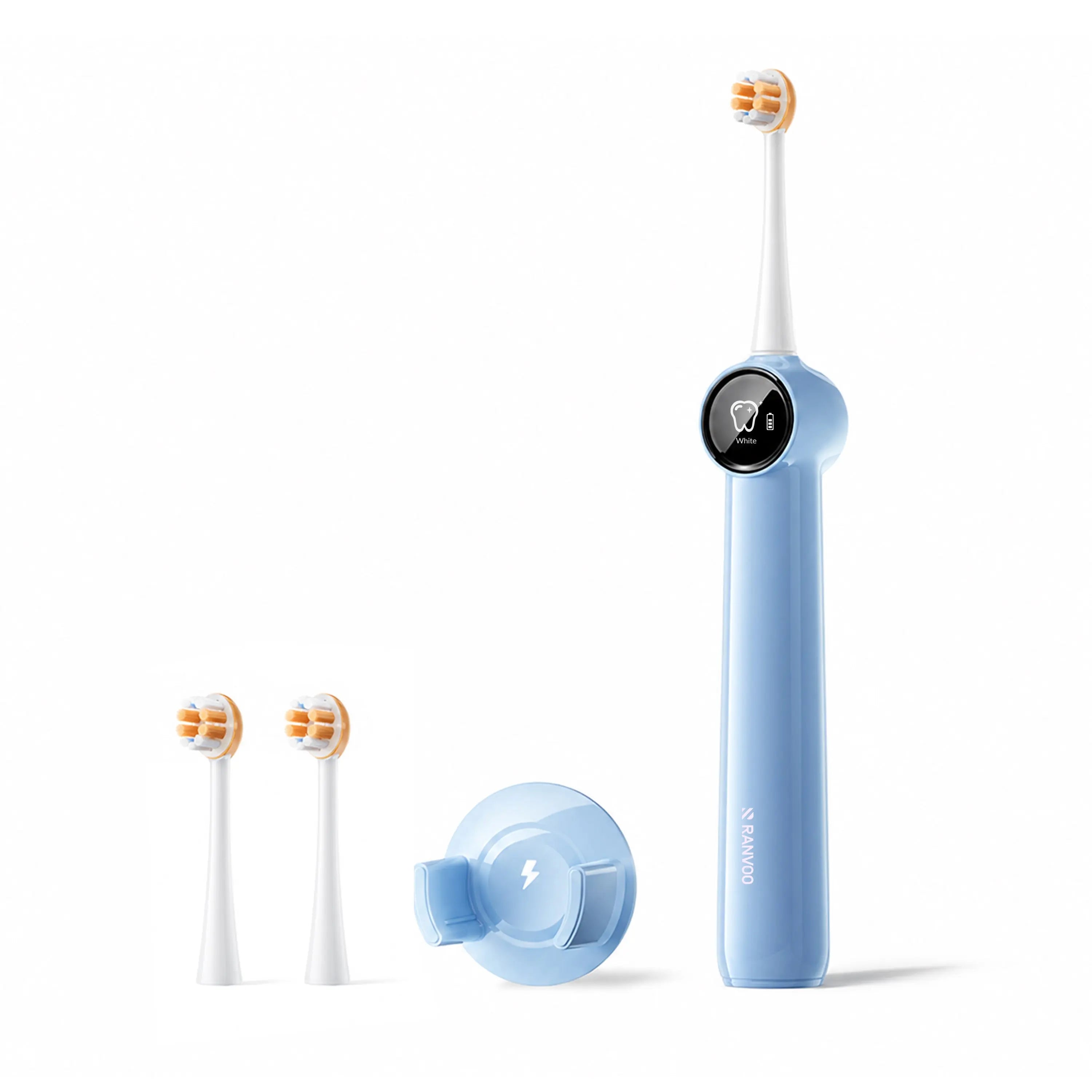
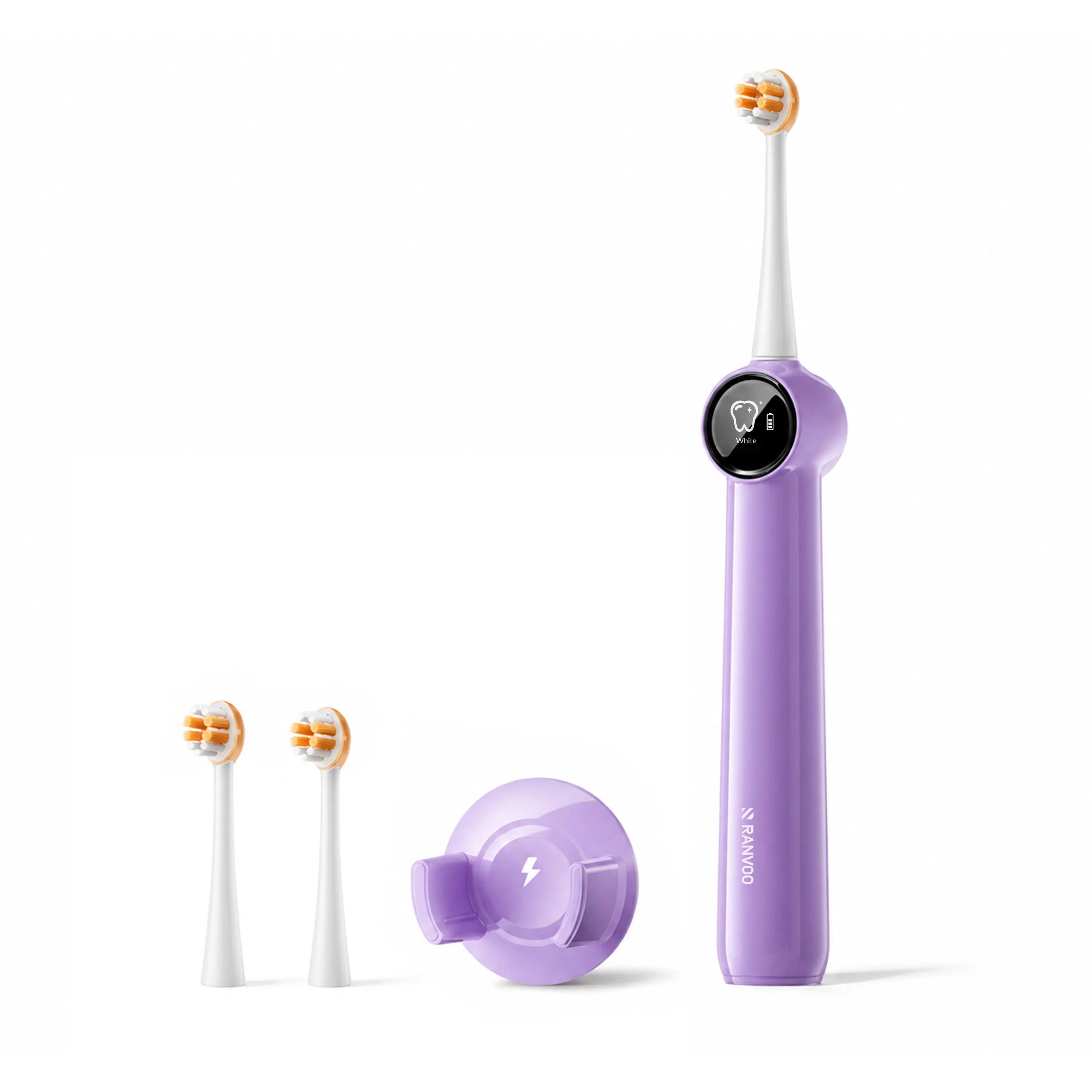
The electric toothbrush can also be an ally here. Many modern brushes connect to apps that track head lifespan based on actual usage time, not just calendar days. If you use a power toothbrush, a recurring alert to inspect and likely replace the head keeps the brush performing at its designed level. For anyone using a manual brush, a simple visual check of those indicator bristles takes the guesswork out entirely.
What About Electric Toothbrush Heads?
The rules for replacement apply equally. Electric brush heads wear down on the same timeline. In fact, because these brushes perform thousands of strokes per minute, bristle fatigue can occur within the standard three-month window.
The indicator bristles found on premium heads are your best friend. When the blue fades to white, swap it. And if the bristles splay earlier, don't wait. A power toothbrush only delivers its superior plaque-removing capability when the head is fresh and properly shaped.

The Bottom Line: Check It, Toss It, Replace It
The three-month baseline keeps you on track. The visual cues keep you safe. Together, they protect your mouth from the slow creep of plaque buildup that you can't see but your gums will definitely feel.
So right now — before you close this tab — go grab your toothbrush.
Look at it closely.
- Are the bristles standing tall and straight?
- Is the color uniform?
- Does it pass the sniff test?
If you saw even a hint of fraying, discoloration, or matting, toss it. Open a fresh one. Then set a reminder for the next swap. Your future self, standing in front of the mirror three months from now with a still-effective brush, won't even remember why you worried about this. And that's exactly the point.
This article has been reviewed by an oral health professional for accuracy. It is intended to provide general educational information and should not be used as a substitute for personalized medical advice, diagnosis, or treatment. If you have questions or concerns about your oral health, please consult a dentist, physician, or other qualified healthcare provider.