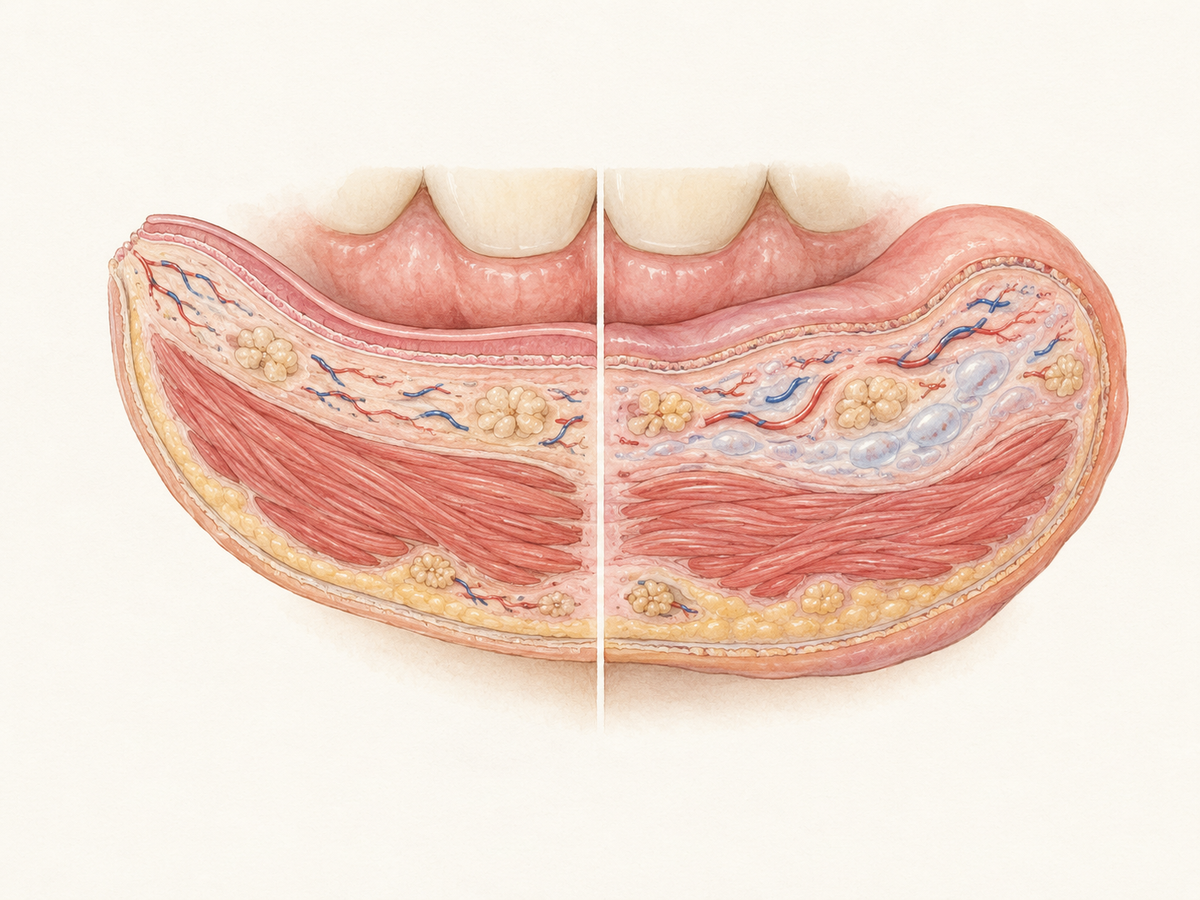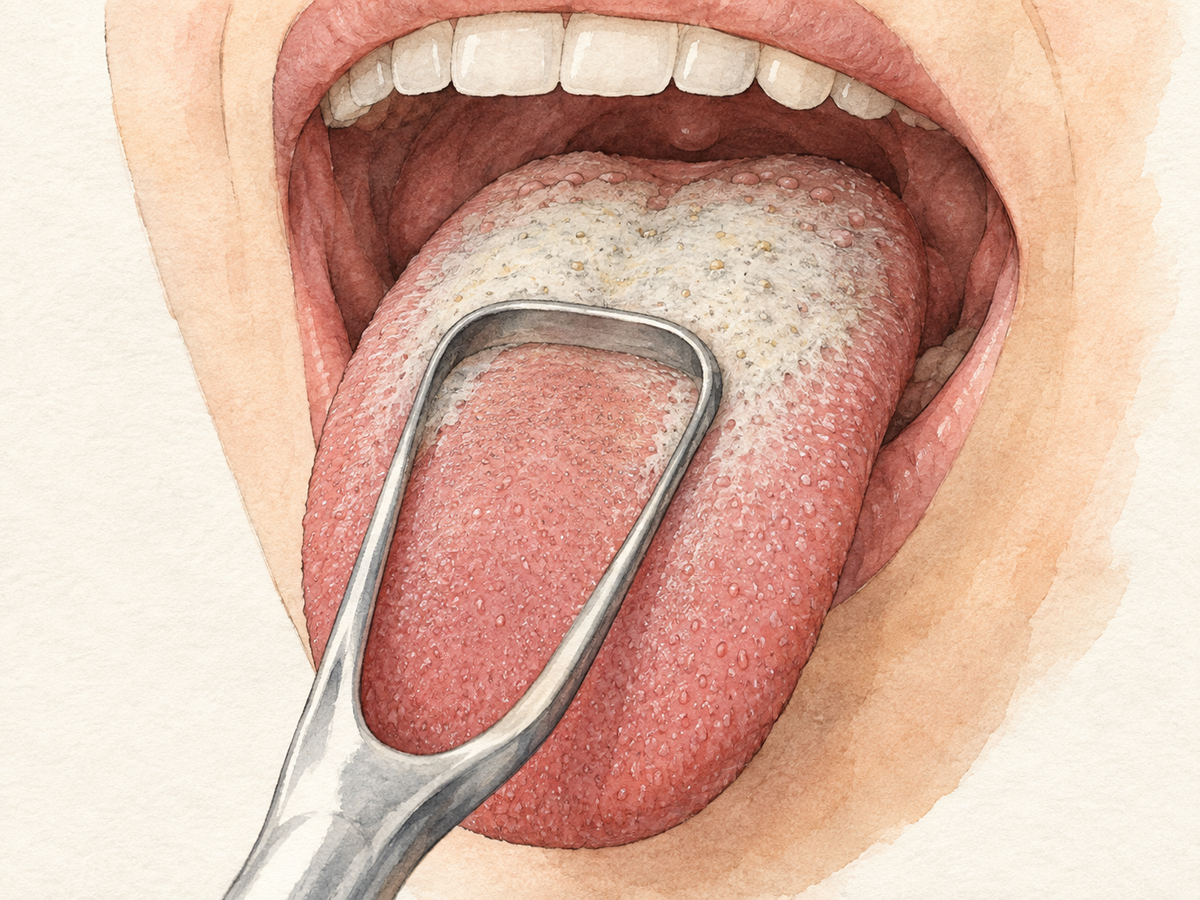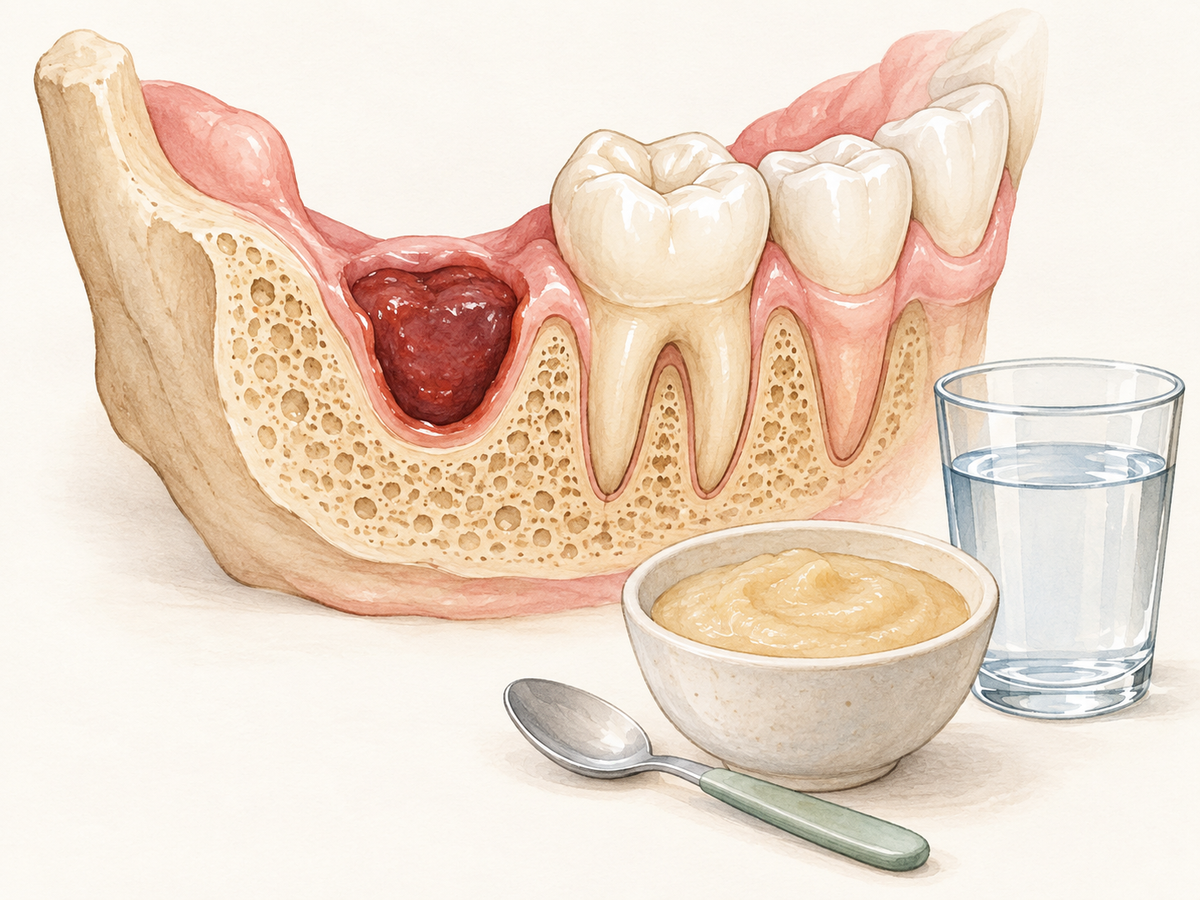









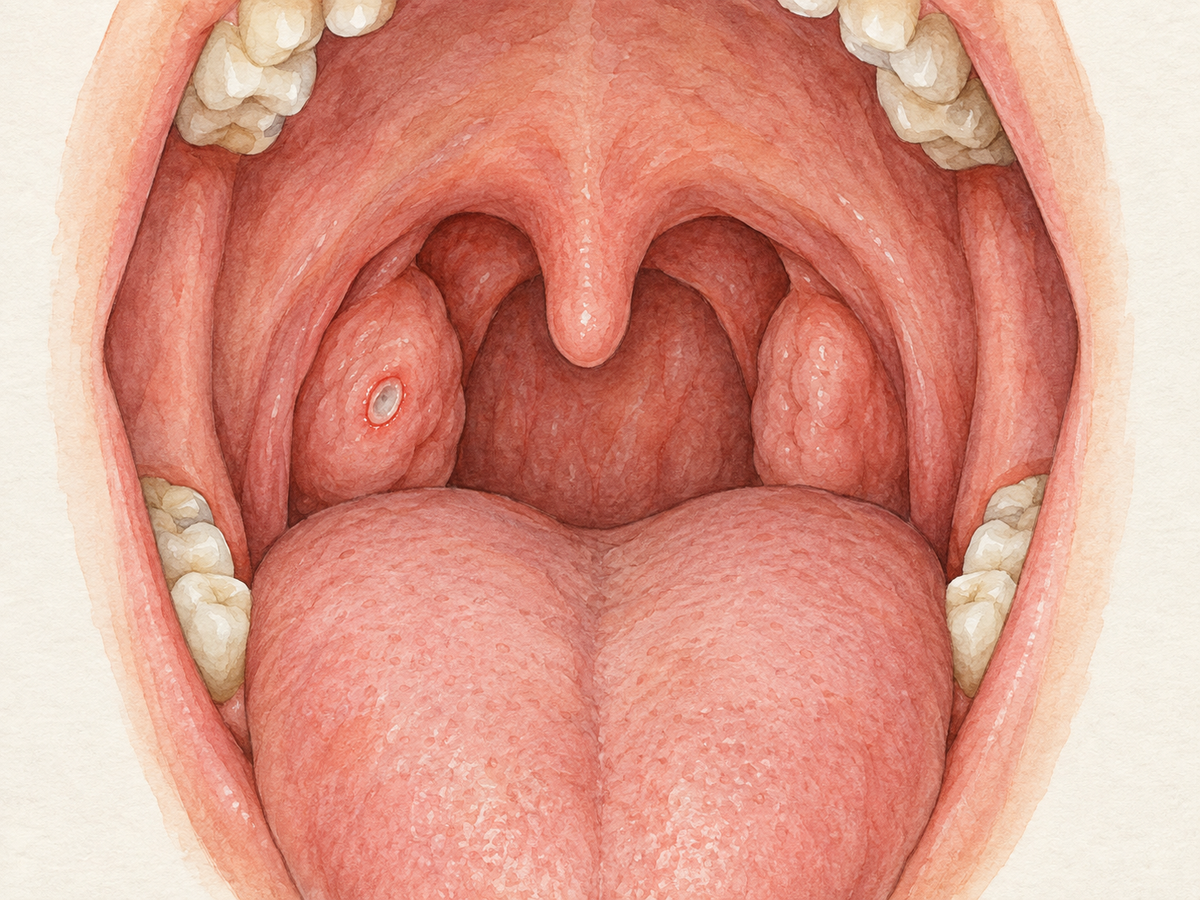
A canker sore on your tonsil is a small, usually round or oval sore with a white or gray center and a red edge. Most are harmless and heal on their own within 1 to 2 weeks. You can ease the pain with saltwater rinses, ice chips, honey, or an over-the-counter numbing gel, and by avoiding foods that sting. See a doctor or dentist if the sore lasts more than 2 weeks, you have a fever, or you have serious trouble swallowing or breathing.
Is It a Canker Sore or Something Else?
Canker sores, also called aphthous ulcers, are shallow, painful sores on the soft lining of the mouth. The tonsils are the two rounded pads at the back of your throat. A canker sore can sit right on a tonsil or on the tissue next to it.
Typical canker sore clues:
- Round or oval shape
- White or gray center
- Red border around the sore
- Pain when swallowing
- No fever and no cough
Strep throat, tonsillitis, and cold sores can all cause throat pain, but they tend to look and feel different.
| Clue | Likely picture |
|---|---|
| Round or oval sore with a white-gray center and red edge; no fever or cough | Canker sore |
| Sudden sore throat, fever, pain when swallowing, no cough | Possible strep throat |
| Red, swollen tonsils with or without patches; sore throat | Tonsillitis |
| Fluid-filled blisters or sores, possibly with fever or body aches | Cold sores or another viral infection |
This table is a guide, not a diagnosis. According to clinical guidance on strep throat, oral ulcers are one of the features that make strep less likely, while strep is more often linked with sudden sore throat, fever, and no cough. But symptoms can overlap, and only a clinician can confirm strep with a swab if needed.
Canker sores are not contagious. Cold sores are different: they are caused by the herpes simplex virus and can spread.
Why It Can Show Up on Your Tonsil
The exact cause isn’t always clear. Canker sores likely happen when something irritates the delicate lining of your mouth, especially if you are more sensitive.
Common triggers include:
- Accidentally biting or scratching the area
- Rough or acidic foods, like chips, nuts, citrus, or tomatoes
- Stress and poor sleep
- A recent viral illness
- Low levels of vitamin B12, iron, or folate
- Toothpaste containing sodium lauryl sulfate, or SLS
SLS is a foaming agent in many toothpastes. In people who get canker sores often, it may irritate the mouth lining. A systematic review of SLS toothpaste found that SLS-free toothpaste reduced the number of sores, how long they lasted, how often they returned, and how painful they were.
Low vitamin B12, folate, or iron are also linked with recurrent canker sores, according to a meta-analysis of hematologic deficiencies.
A canker sore cannot be passed to someone through kissing or sharing cups or utensils.
Fast Home Relief
You can’t make the sore disappear overnight, but you can make it much easier to eat, drink, and sleep. These options are safe for most people.
- Saltwater rinse: Mix about half a teaspoon of salt into a cup of warm water. Swish gently and spit it out. Use a few times a day.
- Baking soda rinse: Mix half a teaspoon of baking soda into a cup of warm water and use the same way.
- Cold drinks or ice chips: Cold can briefly numb the sore. Sip cold water, suck on ice chips, or let a cold liquid rest over the area.
- Honey: A thin layer of honey may coat and soothe the sore. Some research on topical canker sore treatments found honey helpful. Do not give honey to a child under 1 year old.
- Over-the-counter oral gel: Numbing gels made for mouth sores can briefly ease pain. Follow the package instructions, and don’t swallow the gel.
- Acetaminophen or ibuprofen: These may reduce pain if they are safe for you. Follow the dose on the label. Ask a pharmacist or doctor if you’re unsure, especially if you take other medicines or have health conditions.
Supportive rinses with saline or baking soda are common first steps for mouth sores, and some clinical treatment reviews include them as soothing options.
What Helps vs. What Hurts
While the sore heals, choose soft, cool, bland foods, and drink plenty of fluids. Spicy, salty, acidic, crunchy, or very hot foods can sting and irritate the area. Alcohol and smoking can also make it feel worse.
| Soothing choices | Things to avoid |
|---|---|
| Soft, cool, bland foods such as yogurt, applesauce, or smooth soup | Spicy, salty, acidic, crunchy, or hot foods |
| Plenty of fluids | Alcohol and smoking |
| Letting the sore heal on its own | Picking, squeezing, or scrubbing it |
| Gentle saltwater or baking soda rinses | Aspirin, hydrogen peroxide, or strong alcohol placed directly on the sore |
Don’t pick or squeeze a canker sore. It isn’t a pimple. Picking can damage the tissue, cause more pain, and slow healing. Also avoid placing aspirin, hydrogen peroxide, or strong alcohol directly on the sore. These can burn or irritate the tissue and make things worse.
Healing Timeline and Red Flags
Most canker sores follow a predictable path. Pain usually improves within a few days, and the sore heals within 1 to 2 weeks. You may still feel some discomfort when swallowing during that time.
Most acute sore throats and related symptoms are self-limiting when no red flags are present, according to clinical guidance on sore throat. But some signs need a professional check.
See a doctor or dentist promptly if you have:
- A sore that lasts more than 2 weeks
- Swelling that is growing or spreading
- Fever or a rash
- Severe trouble swallowing
- Trouble breathing
- Drooling because you can’t swallow
- Swelling on only one tonsil
- Pain that keeps getting worse despite home care
Severe trouble breathing or swallowing needs emergency care.
How to Prevent the Next One
A simple trigger diary can help. When a sore appears, note what you ate, how you slept, your stress level, any recent illness, and your toothpaste. This can show patterns.
Prevention steps:
- Try an SLS-free toothpaste if you get sores often. This may reduce the number and length of outbreaks, based on research on SLS and canker sores.
- Protect your sleep and use stress-management habits that fit your life.
- Eat a varied diet with sources of vitamin B12, folate, and iron.
- If sores return often, ask a doctor or dentist about blood tests for vitamin B12, folate, iron, or related levels. These deficiencies are linked with recurrent canker sores, according to a meta-analysis.
- See a dentist or doctor if you have frequent sores or a sore that doesn’t fit the usual pattern.
Most tonsil canker sores are temporary and don’t need special treatment beyond comfort care. But if the sore keeps coming back or doesn’t heal, a clinician can help.
This article has been reviewed by an oral health professional for accuracy. It is intended to provide general educational information and should not be used as a substitute for personalized medical advice, diagnosis, or treatment. If you have questions or concerns about your oral health, please consult a dentist, physician, or other qualified healthcare provider.