The short answer: No. Listerine cannot cure a tooth infection. While it reduces surface bacteria, a true infection develops deep inside the tooth or jawbone — areas a rinse can’t reach. If you have throbbing pain, swelling, or fever, you need a dentist, not a mouthwash.
Countless people reach for Listerine when a toothache strikes, hoping its burning tingle signals healing. It’s a powerful antiseptic, but ending a tooth infection — medically called a dental abscess — requires more than a surface rinse. Understanding the difference between cleaning the outside of your teeth and treating an infection within them is the first step to protecting your health.
What Is a Tooth Infection? Understanding the Problem Behind the Pain
A tooth infection happens when bacteria invade the tooth’s inner chamber or the surrounding gums and bone. There are two common types:
- Periapical abscess: Starts inside the tooth — usually from an untreated cavity, crack, or traumatic injury — and spreads to the root tip and jawbone.
- Periodontal abscess: Begins in the gum pockets alongside the tooth, often tied to advanced gum disease.
Red-flag symptoms include:
- Throbbing, persistent toothache that may radiate to your jaw, ear, or neck
- Swelling in the face or cheek
- Fever
- A bad taste from pus draining into the mouth
- Sensitivity to hot and cold that lingers
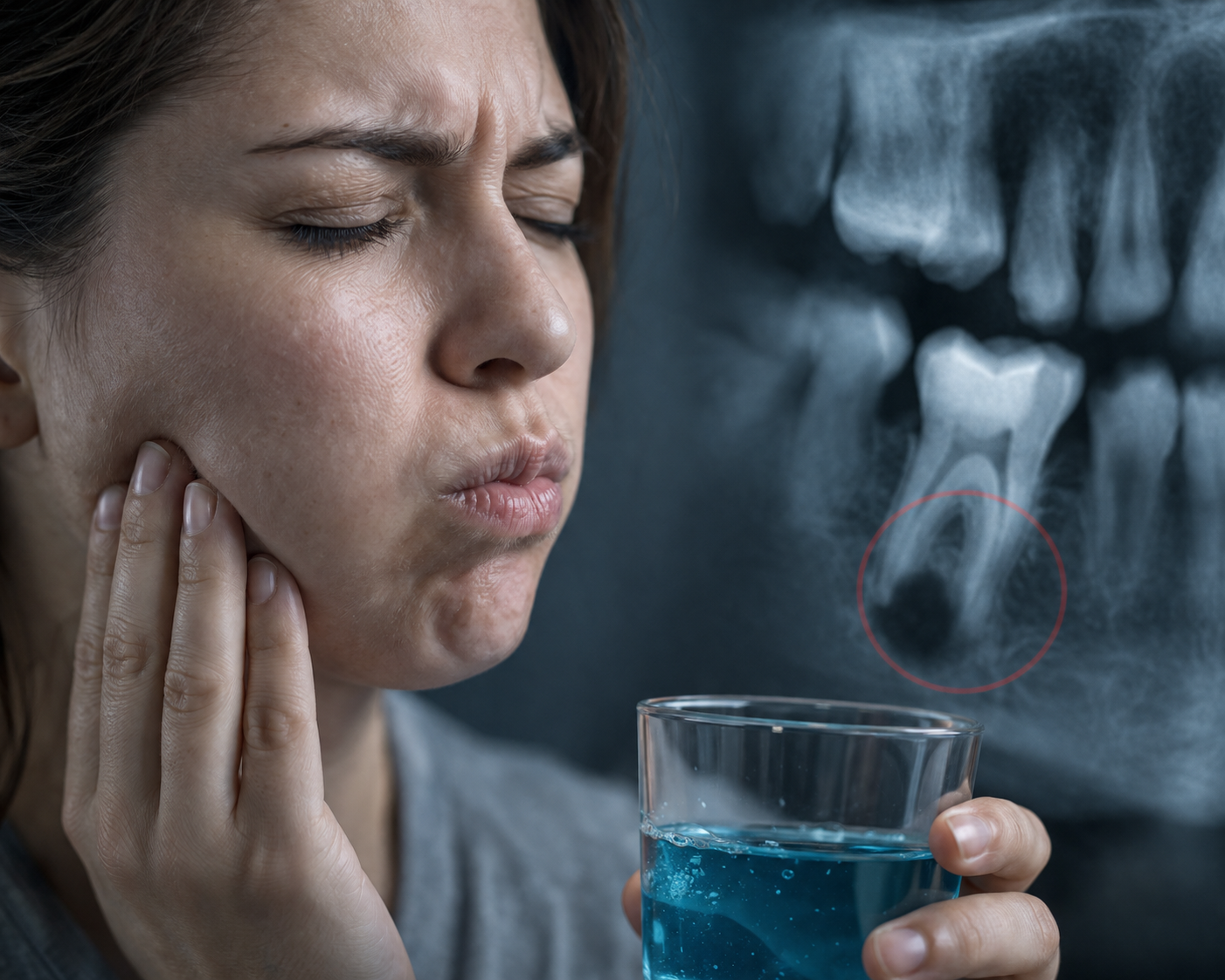
This infection isn’t just on the enamel. Bacteria multiply deep inside the pulp chamber, where nerves and blood vessels live, and can form a pocket of pus at the root tip — a spot no mouthwash can touch.

What Does Listerine Claim to Do? Examining the Mouthwash’s Antiseptic Properties
Listerine is an antiseptic mouthwash, not a medicine. Its classic formula (and many variants) relies on four essential oils:
- Eucalyptol
- Menthol
- Methyl salicylate
- Thymol
Plus, the original contains alcohol (around 21–27%) as a carrier and to help the oils dissolve. These ingredients disrupt bacterial cell walls on contact, reducing germs that cause plaque, gingivitis, and bad breath. The label claims it kills 99.9% of oral germs — but that’s in laboratory tests, not inside a tooth.
A quick comparison:
| Ingredient / Feature | Original Listerine | Zero-Alcohol Listerine |
|---|---|---|
| Essential oils blend | Yes | Yes |
| Alcohol content | ~21–27% | 0% |
| Burn / sensation | Strong | Mild |
| Intended use | Antiseptic rinse, anti-plaque/gingivitis | Same, but less irritation |
Nowhere does the label claim to fight tooth infections or nerve pain. According to dental professionals, the rinse removes germs, but that alone won’t stop an infection that’s already rooted deeper than the tooth’s surface.
Why Listerine Cannot Cure a Tooth Infection (The Crucial Difference)
A tooth infection is a deep-tissue problem. Listerine works on the surface. That gap is why no amount of swishing will fix an abscess.
Surface vs. Deep Infection: Where Listerine Falls Short
The bacteria responsible for a tooth infection — often including Streptococcus mutans, Porphyromonas, or Fusobacterium species — hide inside the tooth or in the jawbone. Listerine can contact the outer enamel and gum surfaces. It cannot penetrate through dentin, the pulp chamber, or the jawbone to reach an abscess at the root tip.
Imagine an x-ray showing a dark circle at the end of a tooth’s root — that area sits in the bone. As one source puts it, “There is no way the Listerine will get into the bone and fight the infection so this makes it ineffective.” The same logic applies to an infected nerve inside the tooth: the mouthwash can’t seep through solid tooth structure to reach it.
“Mouthwash only contacts the outer enamel, not the internal tissues. Since it cannot access the infected area, Listerine won’t relieve pain or resolve the underlying issue.” — Web DMD
Temporary Pain Relief: Can Listerine Help with Symptoms?
The menthol and alcohol in Listerine create a cooling, numbing sensation that might briefly distract you from gum discomfort. But this is a surface-level effect — like putting an ice cube on a sore knee. It does not treat the infection or the nerve pain. For real, lasting relief, you’d need an anti-inflammatory painkiller like ibuprofen (often recommended by dentists) and, ultimately, professional treatment.
Relying on mouthwash to manage tooth pain can delay care and allow the infection to worsen.

How to Actually Treat a Tooth Infection: Professional and Home Care Options
Only a dentist can eliminate the source of a tooth infection. Treatment options include:
- Incision and drainage — a small cut to release pus from a gum abscess.
- Root canal therapy — removing the infected nerve, cleaning the canal, and sealing the tooth.
- Tooth extraction — if the tooth cannot be saved.
- Prescription antibiotics — used when the infection has spread or you have a fever, but not a substitute for treating the tooth itself.

For temporary comfort while you arrange a dental visit, some evidence-based home steps can help:
- Rinse gently with warm salt water to soothe inflamed gums.
- Apply a cold compress to the outside of your cheek to reduce swelling.
- Take an over-the-counter pain reliever like ibuprofen or acetaminophen (never place aspirin directly on the gum).
- Avoid chewing on that side and stick to soft foods.
Why Seeing a Dentist Is Non-Negligible
Ignoring a tooth infection can have serious consequences. The bacteria can spread to your jaw, neck, or even your bloodstream, triggering a life-threatening condition called sepsis. Facial swelling that makes it hard to swallow or breathe is a dental emergency — go to the ER immediately.
A 2022 study on dental emergencies noted that untreated abscesses are a leading cause of hospitalization for oral conditions. Every day you wait, the infection can grow, making treatment more complex and expensive.
When Is It Safe to Use Listerine for Oral Health?
Listerine shines as a daily hygiene tool, not a cure. Its proper place is:
- Controlling plaque buildup along the gumline
- Reducing the risk of gingivitis
- Freshening breath
- As part of a routine that includes brushing with fluoride toothpaste and flossing
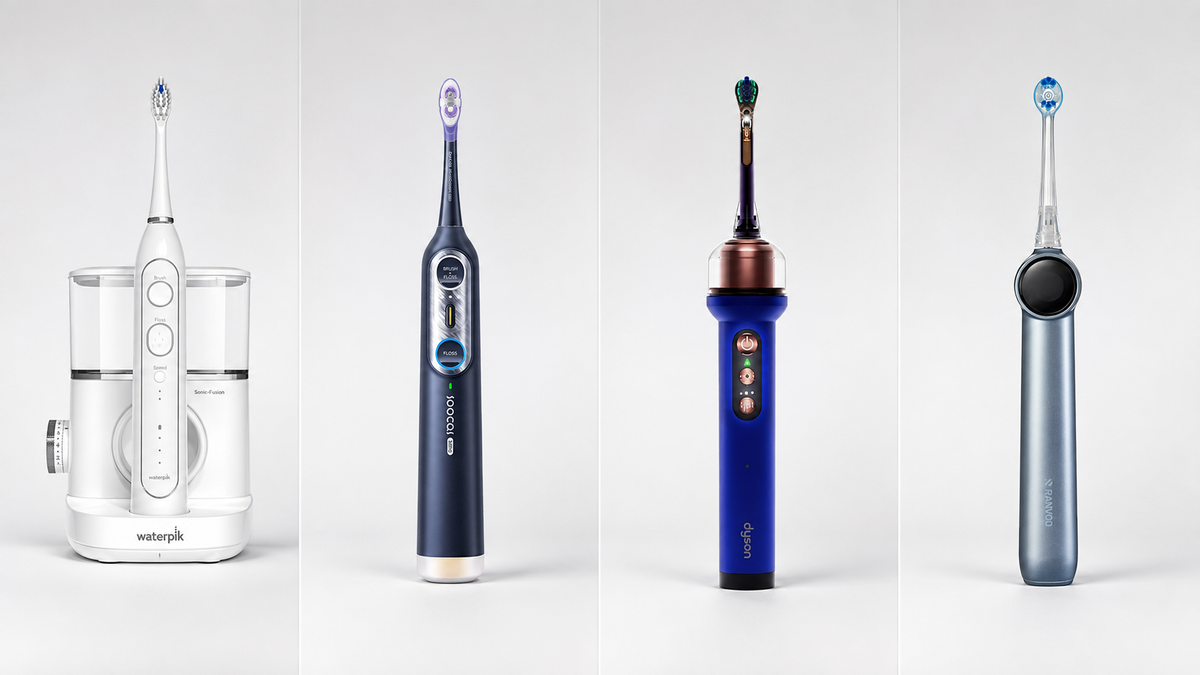
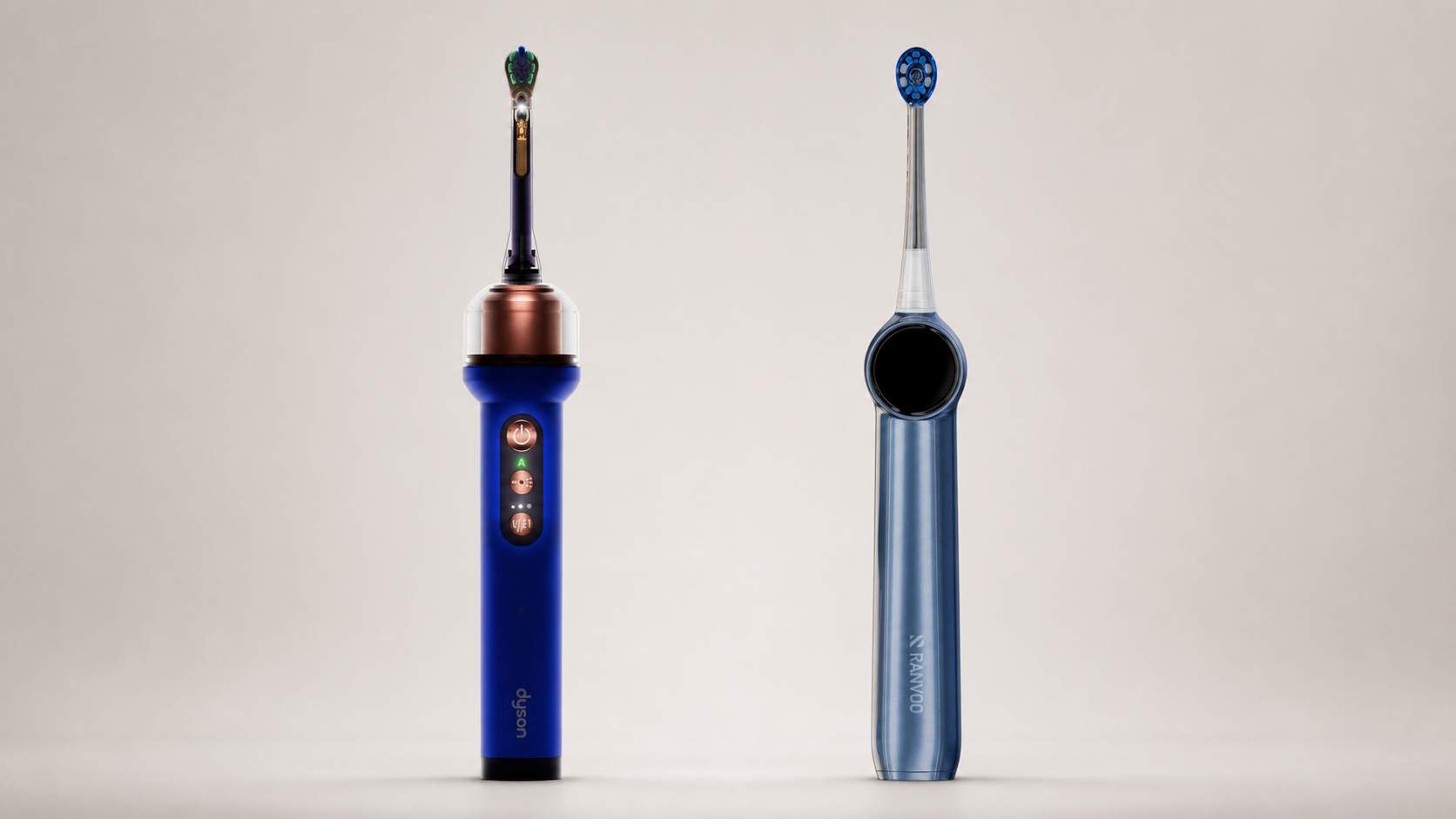
It can be especially helpful when brushing is temporarily uncomfortable — but it’s still an adjunct, not a replacement for mechanical cleaning. For those with sensitive gums or a history of gum recession, choosing the right brush is equally important. The RANVOO AirJet X5 electric toothbrush, with its gentle bubble technology, cleans deep between teeth and along the gumline without the abrasive force that can aggravate delicate tissue — a smart pairing with any antiseptic rinse.

How to Prevent Tooth Infections in the Future
An ounce of prevention is truly worth a pound of cure. The majority of tooth infections start from untreated decay or gum disease, both of which are largely preventable.
Your prevention checklist:
- Brush twice daily with fluoride toothpaste
- Floss or use interdental brushes once a day
- Visit a dentist for check-ups and cleanings every six months (or as recommended)
- Treat cavities early before they reach the nerve
- Manage gum disease with professional cleanings
- Limit sugary snacks and acidic drinks
- Consider dental sealants for deep grooves on back teeth
- Don’t ignore minor toothaches — they’re early warnings
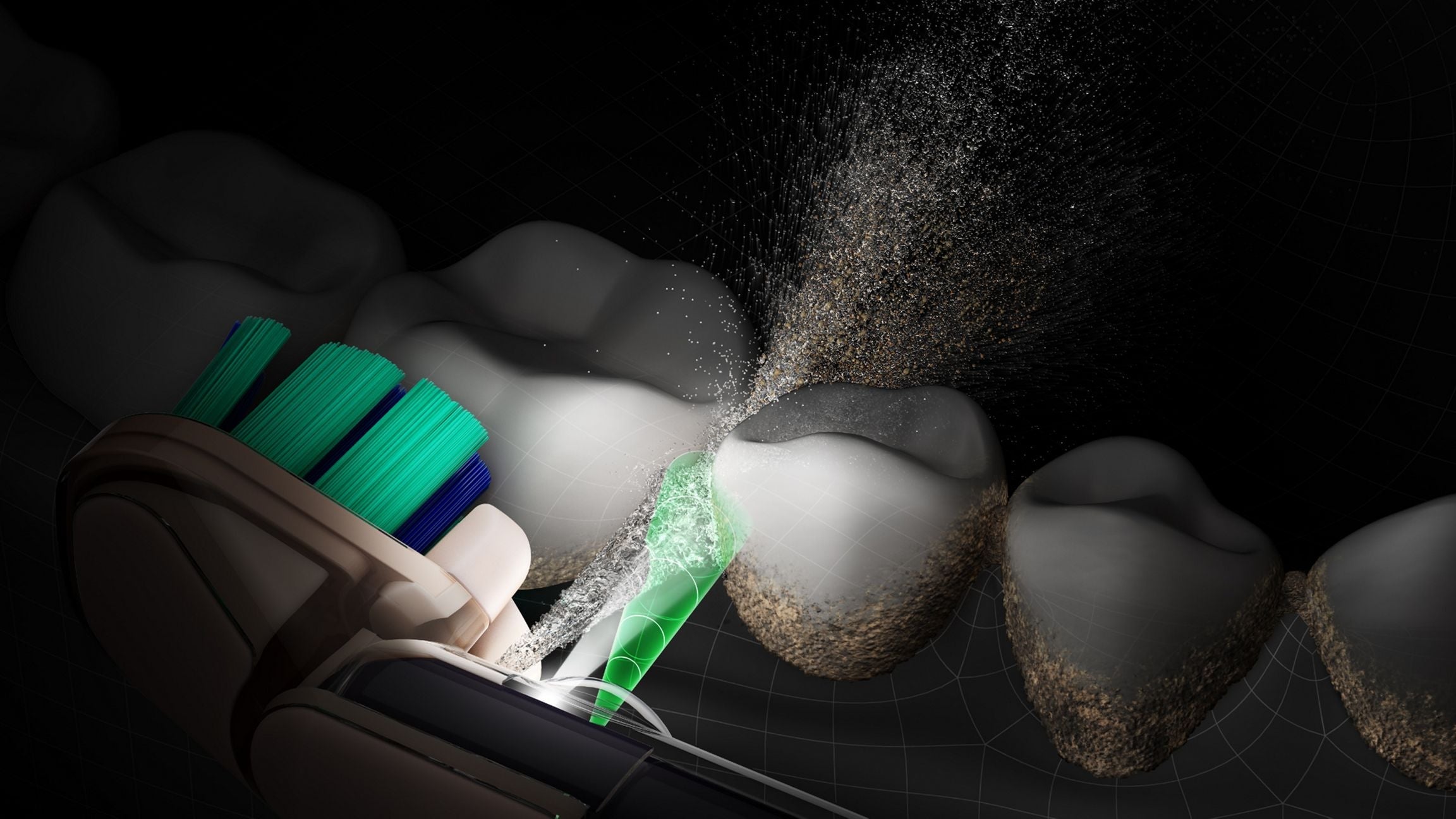
For those who worry about damaging their gums while brushing — especially if you’ve experienced bleeding or recession — upgrading your toothbrush can make a real difference. The RANVOO AirJet X5 uses soft micro-bubbles to gently remove plaque without the harsh scrubbing action of ordinary brushes, helping maintain healthy gums and reducing a key risk factor for periodontal infection.
Final Verdict: Will Listerine Kill a Tooth Infection?
No. No over-the-counter mouthwash — Listerine included — can kill a tooth infection or replace a dentist. It may briefly cool your mouth and reduce some surface bacteria, but it cannot penetrate to the source of the infection. The only safe, effective fix is professional dental care.
If you’re hurting, don’t rely on a rinse and hope it will disappear. Call a dentist. The best thing you can do for your tooth — and your overall health — is to have it evaluated and treated properly. Relief is possible, and it starts with reaching out.