
No, mouthwash alone cannot remove existing tartar. It plays a role in preventing plaque from hardening, but once tartar forms, only a dental professional can safely remove it.
The question is understandable — many rinses are marketed as “tartar control.” But the science is clear: hardened calculus is like cement on teeth, and no over-the-counter rinse can wash it away. Here’s how tartar forms, why mouthwash falls short, and what actually works.
What Is Tartar (Calculus) and How Does It Form?
Tartar is simply plaque that has been left undisturbed long enough to mineralize. Think of it as a three-step chain reaction:
- Step 1 – Plaque grows: Bacteria, food debris, and saliva combine into a sticky, colorless film on teeth.
- Step 2 – Minerals kick in: Saliva naturally contains calcium and phosphate. When plaque isn’t removed, these minerals cause mineralization within just 24 to 72 hours.
- Step 3 – Hardened calculus forms: The once-soft biofilm transforms into a rough, cement-like deposit that bonds tightly to enamel. Once there, it can’t be brushed or rinsed off.

Tartar that appears above the gumline (supragingival) is often yellow or brown. Below the gumline (subgingival), it poses a hidden danger to the tissues that hold teeth in place.
Why Mouthwash Cannot Remove Existing Tartar

The Hardened, Mineralized Structure of Calculus
Tartar is a calcified mass — mostly calcium phosphate. It’s not a soft film you can simply wash away. Trying to dissolve it with mouthwash is like attempting to dissolve a rock with flavoured water. No rinse ingredient can penetrate and break down these mineral bonds.
Therapeutic Mouthwash vs. Tartar: A Mismatch in Action
Common active ingredients in mouthwash — chlorhexidine, cetylpyridinium chloride (CPC), essential oils, and fluoride — are designed for a completely different job:
- Kill bacteria that cause bad breath and gum inflammation
- Reduce new plaque formation
- Prevent or control gingivitis
They work on living bacteria and soft biofilms, not on hardened calculus. Even in a lab, anti-calculus rinses managed to dissolve only a small amount of mineral content from tartar samples after soaking them for 4.5 to 16 hours — not exactly a practical home routineColgate.
Anti-Tartar Mouthwash: What It Actually Does (And Doesn’t Do)
You’ll see “tartar control” claims on many bottles. These rinses add ingredients like pyrophosphates and zinc citrate that bind to calcium in saliva, slowing the mineralization of new plaque. They are preventive, not curative.
| Prevention | Cure |
|---|---|
| Slows the hardening of fresh plaque between cleanings | Does nothing to existing tartar deposits |
| Reduces the amount of new calculus that forms | Cannot penetrate or soften hardened calculus |
As dental professionals put it, “mouthwash cannot be used to remove tartar, however, mouthwash can be used to mitigate the development of calculus buildup”Lane & Associates.
Do Any At-Home Remedies Truly Dissolve Tartar?
Oil Pulling and Baking Soda: Fact vs. Fiction
Oil pulling may reduce bacteria and baking soda can gently polish surface stains, but neither breaks down established tartar. More worrying are acidic “natural” rinses like vinegar or lemon juice: they erode enamel and make teeth more vulnerable, all while leaving the tartar intact. Hydrogen peroxide, too, does not dissolve tartar — it only helps remove the soft plaque that hardens into itWebMD.
The High Risk of DIY Tartar Scraping Tools
“A person probing sharp or inappropriate tools into their own mouth can easily damage their teeth or gums.”Colgate
Online dental scrapers promise a quick fix, but they carry serious risks:
- Scratching and permanently damaging tooth enamel
- Cutting or lacerating gum tissue
- Pushing tartar deeper below the gumline, where it causes more harm
- Leaving rough surfaces that attract plaque even faster
- Risk of infection from unsterile tools
The Only Safe and Effective Way to Remove Tartar
]
How a Dental Professional Removes Calculus
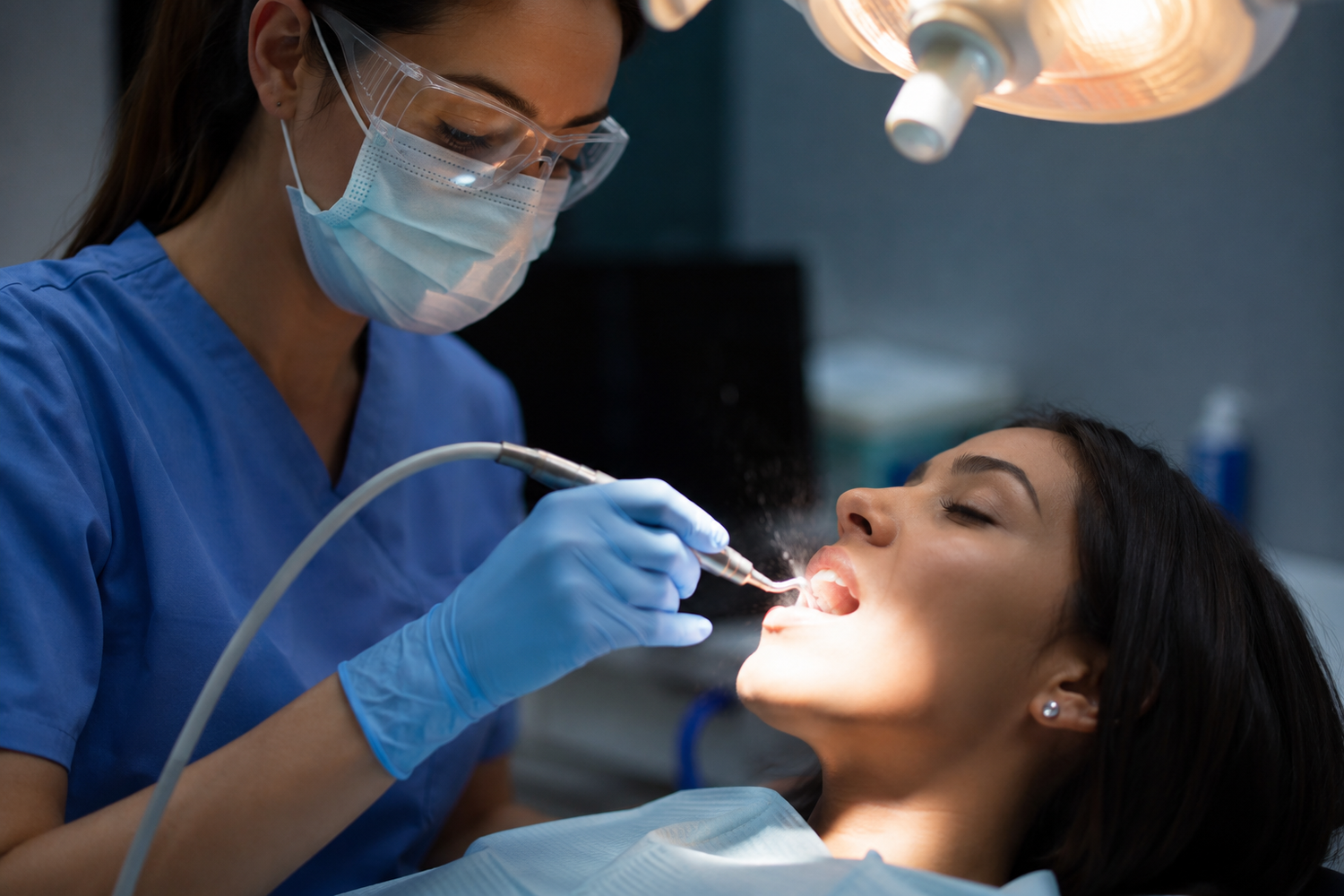
Professional cleaning — often called scaling — is the only method that fully removes tartar. A dentist or dental hygienist will use either:
- Hand scalers (curettes): precise manual instruments that gently lift off deposits above and below the gumline
- Ultrasonic scalers: devices that vibrate and spray water to shatter calculus without damaging the tooth
For subgingival tartar, root planing smooths the root surface so gums can reattach and heal. No mouthwash or home remedy can replicate this mechanical, targeted removal.
How Often You Need a Dental Cleaning
Most people benefit from a professional cleaning every 6 months. Some need more frequent visits — especially if you:
- Smoke or use tobacco products
- Have diabetes
- Suffer from dry mouth
- Have a history of gum disease
- Notice heavy or rapid tartar buildup
How to Prevent Tartar Buildup Long-Term
Mouthwash finally finds its proper place here: as an aid to stop tartar before it starts.
The Perfect Oral Hygiene Routine to Stop Plaque Hardening
Stick to this simple, proven sequence:
- Step 1 – Floss first. Clean between all teeth with traditional floss or interdental brushes. This dislodges plaque your toothbrush can’t reach.
- Step 2 – Brush for two minutes. A RANVOO AirJet X5 electric toothbrush with its soft, gentle bubble-bristle technology is ideal for this step. Unlike aggressive scrubbing, the AirJet X5 uses a patented “bubble brush” action that creates micro-bubbles to lift and remove plaque without scratching enamel or irritating sensitive gums. Used twice a day with fluoride toothpaste, it effectively breaks up soft plaque before it has a chance to mineralize — especially crucial for those with sensitive or bleeding gums who need a gentle yet thorough clean.
- Step 3 – Clean your tongue. Bacteria hide there, too.
- Step 4 – Use a therapeutic mouthwash at a different time. Rinse after lunch or a snack — not immediately after brushing — to avoid washing away the concentrated fluoride left on your teeth.
Choosing the Best Mouthwash for Tartar Prevention
Look for these ingredients on the label:
- Pyrophosphates or zinc citrate – slow mineralization
- Fluoride – strengthens enamel
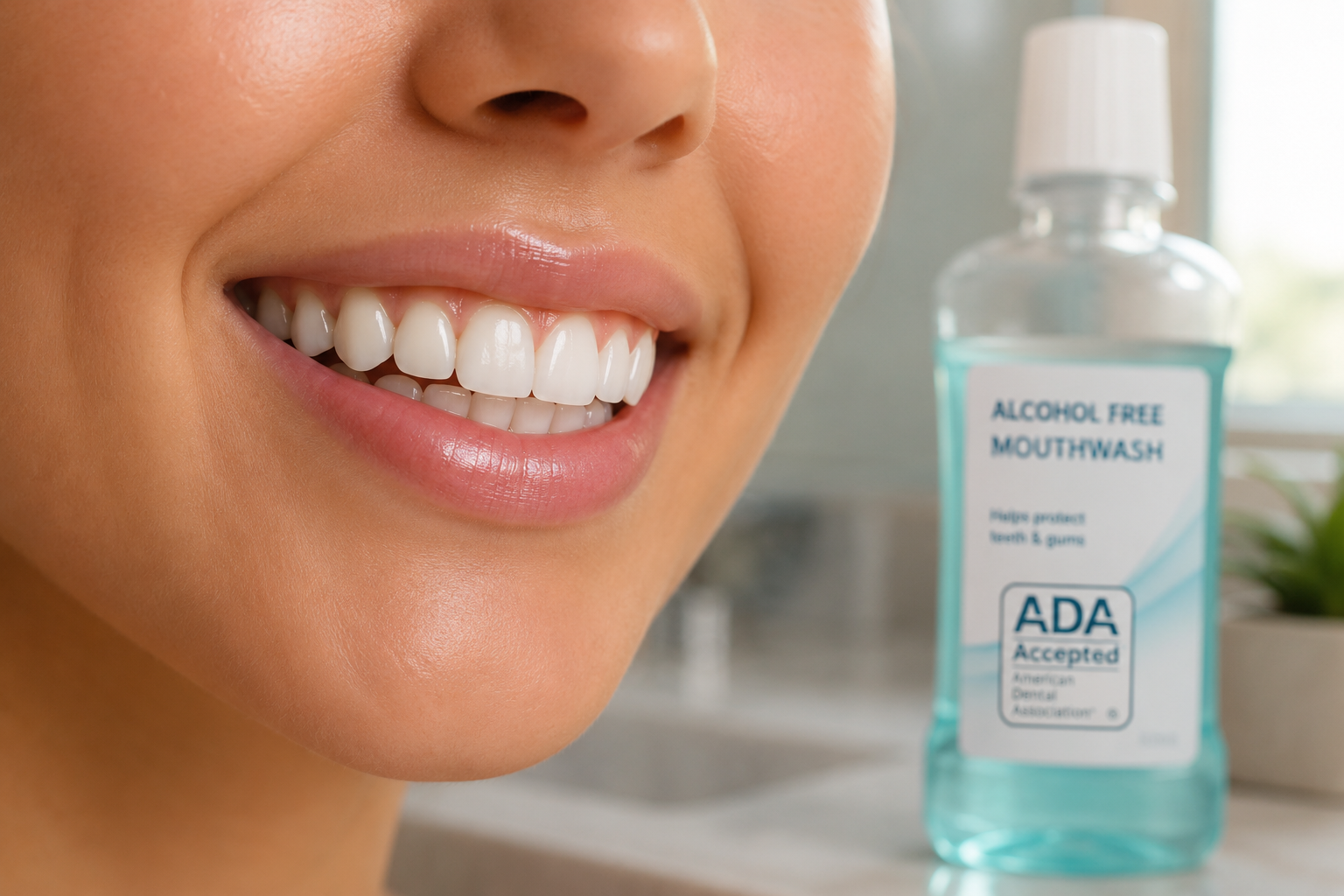
- Avoid alcohol if you have dry mouth
| Type | Purpose | Key Ingredients |
|---|---|---|
| Cosmetic | Freshen breath, no therapeutic action | Fragrance, alcohol |
| Anti-plaque/therapeutic | Kill bacteria, reduce gingivitis | CPC, essential oils, chlorhexidine (short-term use) |
| Anti-tartar (preventive) | Slow new tartar formation | Pyrophosphates, zinc citrate, fluoride |

When to See a Dentist Immediately
Don’t wait for your routine checkup if you notice:
- Gums that bleed when you brush or floss
- Red, swollen, or tender gums
- Persistent bad breath
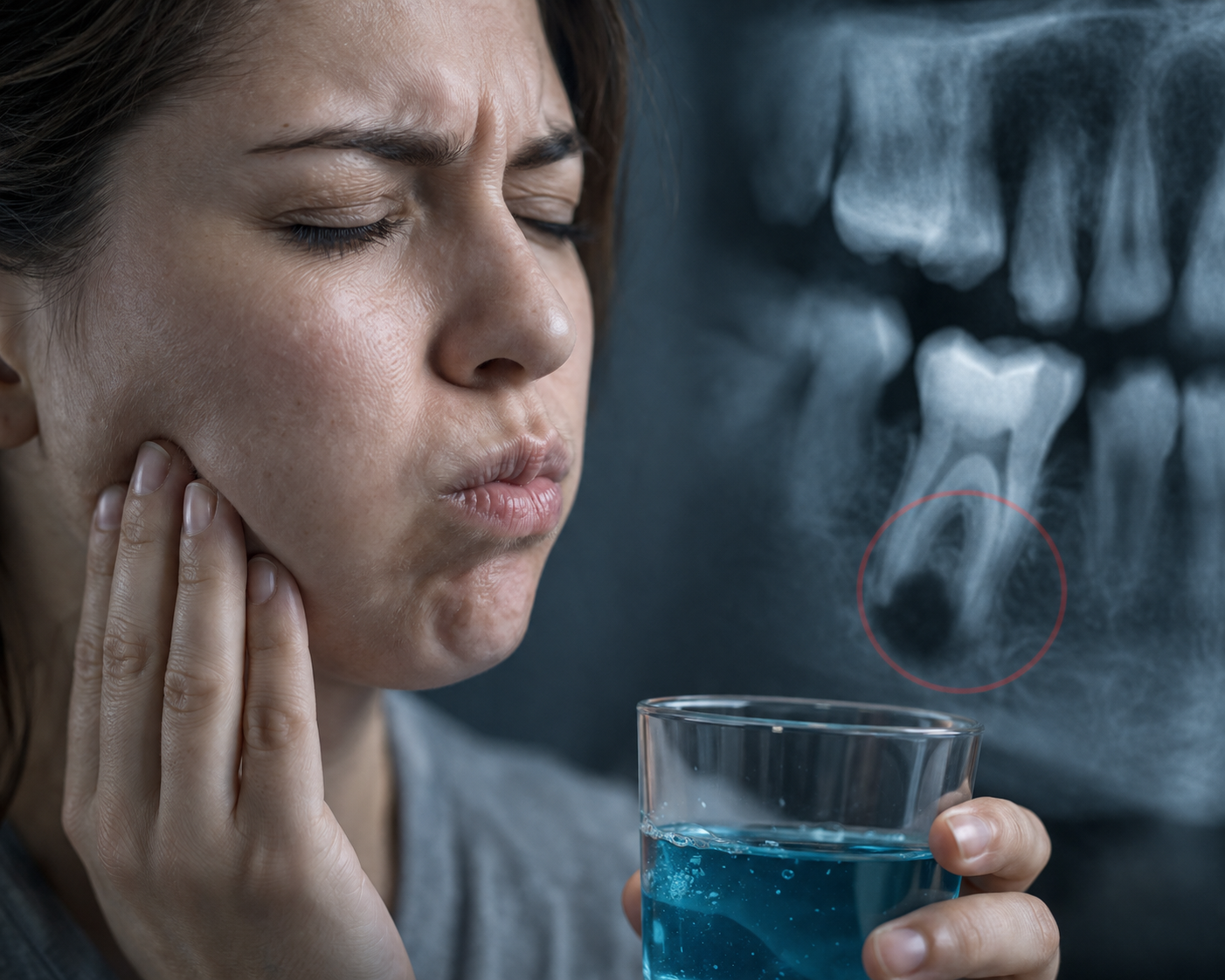
- Receding gums or teeth that feel loose
These are signs of gingivitis or the more serious periodontal disease. Early treatment prevents bone loss and tooth loss. Tartar may be stubborn, but good daily habits and regular professional care keep your mouth healthy. A RANVOO AirJet X5 can be your gentle daily partner — effectively preventing plaque buildup without the fear of hurting sensitive teeth and gums — while professional cleanings handle the rest. Mouthwash is a great companion, but it’s not a replacement for a dental hygienist’s skilled hands or a quality electric toothbrush.


Leave a comment
This site is protected by hCaptcha and the hCaptcha Privacy Policy and Terms of Service apply.