Homemade Mouthwash Recipes: A Complete Guide to Natural & Safe DIY
These 5 quick, natural mouthwash recipes ditch harsh chemicals and let you control exactly what cleans your mouth — all in under 5 minutes. But remember: this is not a replacement for brushing, flossing, or professional dental advice.
Store-bought mouthwashes often hide a harsh truth: high levels of alcohol that can leave your mouth feeling dry and irritated, plus a laundry list of synthetic additives. This guide shows you how to make your own homemade mouthwash with simple, natural ingredients tailored to your needs.
Medical disclaimer: The following recipes are for supplementary oral care. They are not intended to treat gum disease, cavities, or any serious oral condition. Always consult your dentist before starting a new mouth rinse, especially if you have ongoing issues.

Why Switch to Homemade Mouthwash?
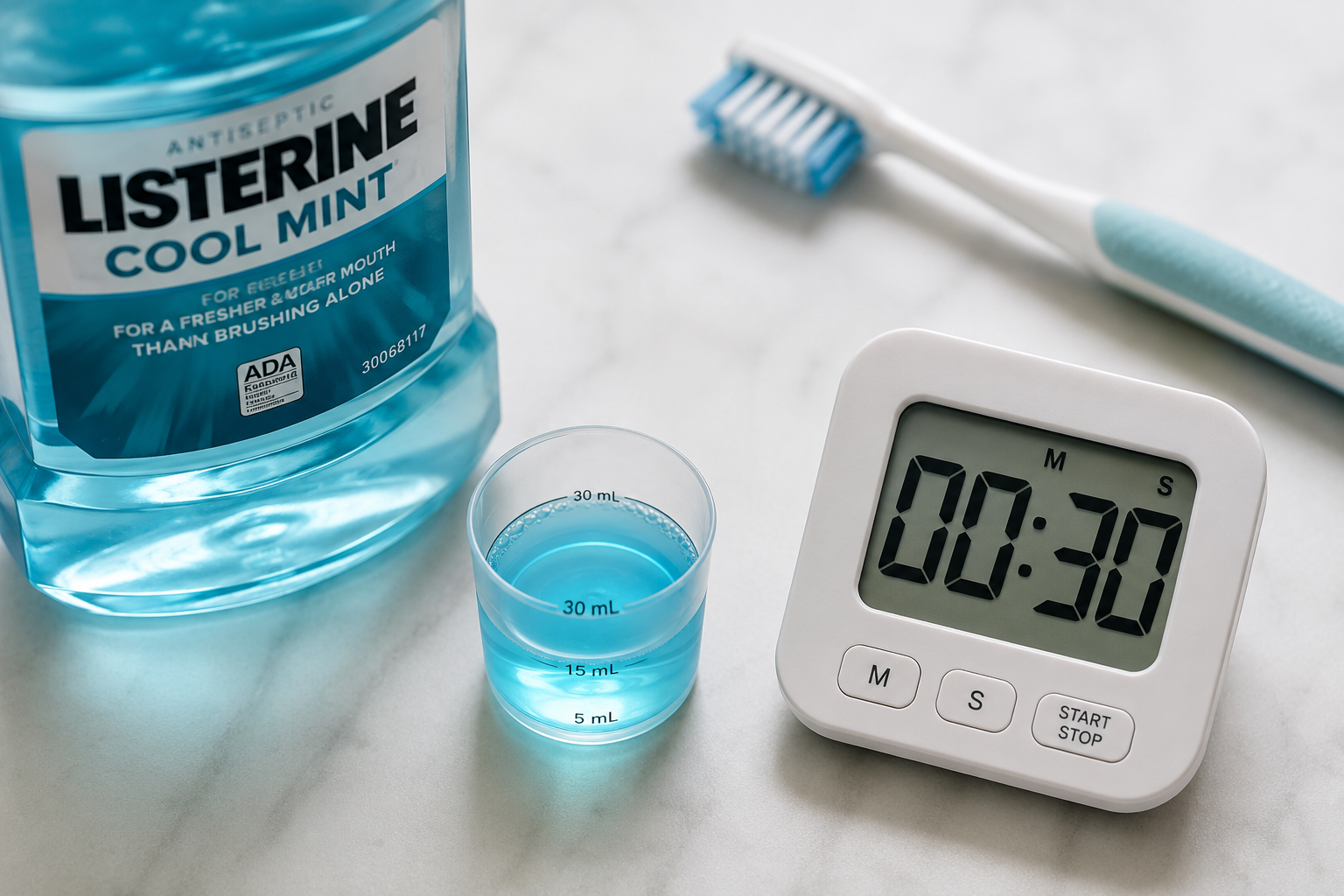
Commercial rinses that rely on ethanol strip away the protective mucin layer in your mouth, causing cellular dehydration and mucosal irritation. That burning sensation isn’t a sign of effectiveness — it’s a red flag.
Homemade rinses let you steer clear of synthetic dyes, artificial sweeteners, and preservatives. You also gain full control over bacteria-fighting agents like sodium bicarbonate (baking soda) and essential oils while avoiding ingredients that disrupt your healthy oral flora.
- Store-bought (alcohol-based): Can cause dry mouth, alter taste, harm delicate tissue.
- Homemade non-toxic: Alcohol-free, moisturizing, pH-balancing, and completely customizable.
- Cost: DIY mixes often cost pennies per use compared to branded bottles.
- Transparency: You know every single ingredient that goes into your mouth.
The same logic applies to your toothbrush: harsh bristles and aggressive vibrations can also damage sensitive gum tissue. That’s why many with concerns about gum bleeding or enamel wear are turning to gentler options like the RANVOO AirJet X5 Electric Toothbrush. Its unique bubble-brush technology cushions each stroke, protecting gums while still removing plaque effectively — a natural complement to your homemade oral care routine.

Essential Ingredients for Effective Homemade Mouthwash
Building a great DIY mouthwash means understanding the role of each component. The table below breaks down the must-have categories.
| Category | Ingredient | Key Benefit | Recommended Ratio |
|---|---|---|---|
| Base Liquid | Distilled water | Free of chlorine and impurities that could interact with active ingredients | 1 cup (240 ml) per batch |
| Aloe vera juice (food-grade) | Soothes irritated tissue, ideal for dry mouth | ¼ cup per total batch | |
| Witch hazel (alcohol-free) | Gentle astringent, helps tone gums | ¼ cup as a partial base | |
| Active Cleanser | Baking soda (aluminum-free) | Neutralizes acids, lifts surface stains | ½–1 tsp per cup |
| Non-iodized sea salt | Reduces inflammation, creates an inhospitable environment for bacteria | ½ tsp per cup | |
| 3% hydrogen peroxide (food-grade) | Whitens and targets bacteria; always dilute | 1 part peroxide to 1–2 parts water | |
| Antimicrobial | Peppermint essential oil | Cooling, fights anaerobic bacteria that cause bad breath | 2–4 drops per cup |
| Tea tree essential oil | Strong antibacterial and antifungal properties | 2 drops per cup | |
| Clove essential oil | Analgesic and antiseptic; use sparingly | 1 drop per batch | |
| Dried chamomile or calendula | Anti-inflammatory, soothes gum irritation | 1 tsp per cup of boiling water (for infusion) | |
| Healthy Sweetener | Xylitol | Reduces cavity-causing bacteria and balances sweetness | ½–1 tsp per cup |
| Stevia (pure) | Zero-calorie sweetness without feeding bacteria | 1–2 drops per cup |

The Base: Distilled Water, Aloe Vera, and Witch Hazel
Distilled water is the safest carrier — it won’t introduce heavy metals or chlorine that can degrade volatile oils. If you’re blending a soothing rinse for a sensitive mouth, replace up to half the water with food-grade aloe vera juice. It coats irritated mucosa without stickiness. Alcohol-free witch hazel offers mild astringency to tighten gum tissue; use it as a 25% substitute for water (e.g., ¼ cup witch hazel + ¾ cup water).
Active Cleansers: Baking Soda, Salt, and Hydrogen Peroxide
- Baking soda (sodium bicarbonate) quickly buffers acidic pH — exactly what your enamel needs after citrus or coffee. It also helps loosen debris and freshen breath.
- Sea salt uses osmosis to draw fluid from swollen gums, reducing puffiness and discomfort. Stick to non-iodized varieties for trace mineral content.
- 3% hydrogen peroxide provides oxidation that can lift surface stains and kill bacteria. This is a once-weekly or occasional rinse — daily overuse may lead to gum sensitivity and enamel softening.
Caution: Hydrogen peroxide must always be diluted with an equal or greater amount of water. Never use higher than a 3% solution in your mouth.
Antimicrobial Powerhouses: Essential Oils and Herbs
- Peppermint oil: Rich in menthol, it freshens breath and has demonstrated antimicrobial action against anaerobic bacteria responsible for volatile sulfur compounds.
- Tea tree oil: Contains terpinen-4-ol, which compromises bacterial cell membranes; excellent for keeping plaque biofilm in check.
- Clove oil: A traditional analgesic that can temporarily numb gum pain — but it’s extremely potent, so limit to 1 drop per cup.
- Chamomile and calendula (dried): Brewed as a herbal infusion, these flowers calm inflamed gum tissue and promote healing.
- Oregano oil: Strongly antibacterial but also quite spicy; use sparingly if at all.
Safety Box: Essential oils are highly concentrated pharmacologic compounds. They must never be swallowed undiluted. Always emulsify them with a carrier (a pinch of salt or a teaspoon of fractionated coconut oil) before adding to water, and keep them out of reach of children. If accidental ingestion occurs, contact a medical professional immediately.
Healthy Sweeteners: Xylitol and Stevia
| Sweetener | Anti-Cavity? | Recommended Drops per Cup | Notes |
|---|---|---|---|
| Xylitol | Yes — shown to reduce Streptococcus mutans bacteria | ½–1 tsp (powder or granule form) | Extremely toxic to dogs; keep stored away |
| Stevia | No direct anti-cavity effect but does not feed bacteria | 1–2 liquid drops | Use pure stevia extract, not powdered blends with fillers |

How to Make Homemade Mouthwash: 5 Step-by-Step Recipes
All you need are basic kitchen tools — a measuring cup, a funnel, and a glass bottle. Every recipe below yields about 1 cup (240 ml), which is a manageable single-day or multi-day batch. Sterilize your bottle first by running it through a hot dishwasher cycle or rinsing with boiling water.
Recipe #1: Basic Salt & Baking Soda Mouthwash (pH Balancer)
This all-purpose rinse restores alkaline pH after meals and soothes minor gum irritation.
- Ingredients:
- 1 cup warm distilled water
- ½ tsp aluminum-free baking soda
- ½ tsp non-iodized fine sea salt
- Steps:
- Combine baking soda and salt in a dry cup.
- Pour warm distilled water over the mixture and stir until completely dissolved — the liquid should be perfectly clear.
- Transfer to a sterilized glass bottle.
- Usage tip: Shake vigorously before each use. Swish for 30 seconds, then spit. Rinse once with plain water afterward.
Recipe #2: Mint & Tea Tree Essential Oil Mouthwash (Bad Breath Buster)
Crafted to target halitosis-causing bacteria while delivering a fresh, minty taste.
| Ingredient | Amount |
|---|---|
| Distilled water | 1 cup |
| Fractionated coconut oil (carrier/emulsifier) | 1 tsp |
| Tea tree essential oil | 2 drops |
| Peppermint essential oil | 2 drops |
| Xylitol (optional) | ½ tsp |
- In a small bowl, mix the coconut oil with tea tree and peppermint oils until combined.
- Add this oil blend to the distilled water and stir.
- Pour into a glass bottle, cap tightly, and shake vigorously to disperse the micro-droplets.
- Before every use, shake again. Swish for 30–40 seconds, then spit.
Safety Note: This formula is for adults only. Do not swallow. If you are pregnant, nursing, or have trouble swallowing, choose a different recipe or consult your healthcare provider. Tea tree oil ingestion can cause severe gastrointestinal distress.

Recipe #3: Chamomile & Calendula Herbal Infusion Mouthwash (Gum Soother)
A gentle, tea-based rinse for inflamed or sensitive gums.
- Ingredients:
- 1 cup boiling distilled water
- 1 tsp dried chamomile flowers
- 1 tsp dried calendula petals
- ½ tsp sea salt (optional)
- Steps:
- Place the dried herbs in a heatproof glass container and pour boiling water over them. Cover and steep for 15 minutes.
- Strain the liquid through a fine mesh sieve into a clean bottle. Stir in the salt until dissolved.
- Allow to cool completely before use.
- To use, swish 2–3 tablespoons for 30 seconds, then spit.
- Practical tip: This infusion stays fresh in the refrigerator for up to 3 days. You can prepare a triple batch and store it in the fridge, using a separate small glass for each rinse.

Recipe #4: Hydrogen Peroxide Whitening Mouthwash (Stain Remover)
An occasional-use formula for lifting surface coffee or tea stains.
- Ingredients:
- 1 tbsp 3% food-grade hydrogen peroxide
- 1 tbsp distilled water
- Method: Mix the two liquids in a clean glass just before use. Swish for no more than 15 seconds, spit, and rinse thoroughly with plain water.
Precaution List: - Use this rinse no more than once a week. - If you feel any burning or tingling that goes beyond mild, spit immediately and rinse well. - Discontinue if gums become red, sore, or if teeth feel sensitive. - Never use undiluted peroxide — it causes chemical burns.
Recipe #5: Aloe Vera & Xylitol Mouthwash (Dry Mouth Relief)
For those suffering from xerostomia (dry mouth), this alcohol-free blend soothes and moisturizes.
- Ingredients:
- ¼ cup food-grade aloe vera juice
- ¾ cup distilled water
- 1 tsp xylitol
- Method: Stir xylitol into the water until dissolved, then add aloe vera juice. Mix gently and bottle. Keep refrigerated. The cool liquid instantly comforts dry tissues.
Where to Source the Best Quality Ingredients
What to Buy at the Health Food Store
- Aluminum-free baking soda
- Non-iodized sea salt or pink Himalayan salt
- Food-grade aloe vera juice (no added citric acid or flavors)
- Dried organic chamomile and calendula
- Xylitol (from birch, non-GMO)
Trusted Online Sources for Essential Oils and Herbs
- Therapeutic-grade essential oils from reputable suppliers who provide batch-specific GC/MS testing
- Fractionated coconut oil (liquid carrier) from wellness retailers
- Amber glass spray or dropper bottles for storage
When and How to Use Homemade Mouthwash Safely
- Swish for 30–60 seconds — longer than a quick splash, but don’t go over a minute.
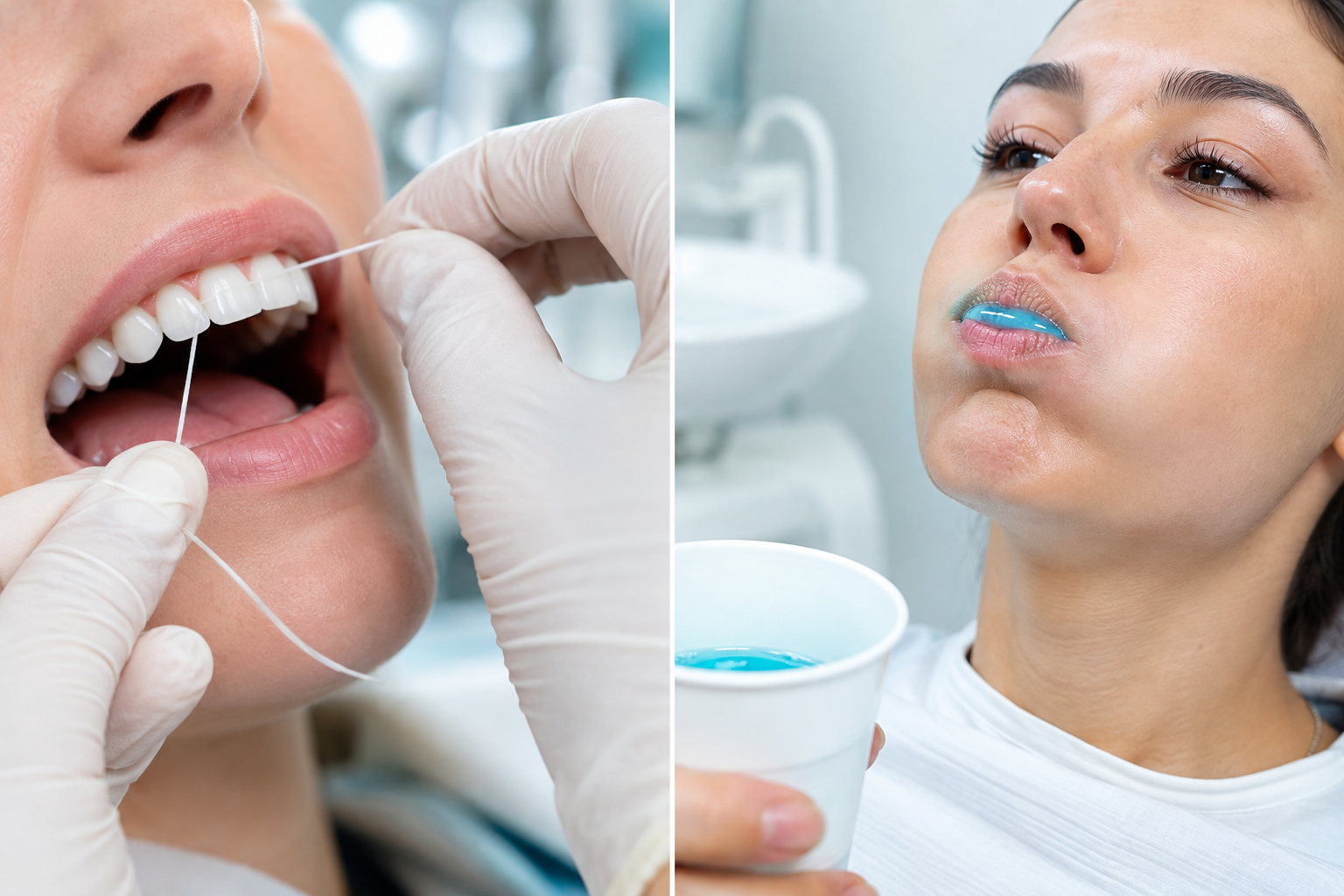
- Use 1–2 times daily — after brushing and flossing is ideal. The only exception is the hydrogen peroxide rinse, which is once weekly.
- Always spit out — homemade mouthwash contains concentrated ingredients not meant for ingestion.
- Do not rinse with water immediately after for most recipes (except peroxide) — letting the thin layer of beneficial ingredients stay on your teeth and gums can prolong the effect.
Remember: homemade rinses are a supplement, never a substitute for brushing twice daily with fluoride toothpaste and flossing. To protect sensitive gums during that essential brushing step, consider using a gentle yet effective toothbrush like the RANVOO AirJet X5 Electric Toothbrush. Its innovative bubble-brush technology cleans thoroughly without abrasive friction, making it an ideal partner for your homemade oral care ritual — especially if you’re prone to gum bleeding or irritation.
How to Store Your DIY Mouthwash for Maximum Shelf Life
Without preservatives, these water-based formulas are vulnerable to bacterial growth. Always use a sterilized amber glass bottle and store it in the refrigerator unless otherwise specified.
| Recipe | Maximum Shelf Life | Storage Notes |
|---|---|---|
| Basic Salt & Baking Soda | Up to 1 week at room temp, or 2 weeks refrigerated | Shake before each use; discard if cloudy |
| Mint & Tea Tree EO | Up to 1 week refrigerated | Shake vigorously each time; essential oils can degrade in plastic |
| Chamomile & Calendula Infusion | 48 hours refrigerated | Strain well; discard immediately if off odor |
| Hydrogen Peroxide Rinse | Mix fresh for each use | Do not pre-batch — peroxide degrades quickly in water |
| Aloe Vera & Xylitol | 5–7 days refrigerated | Keep tightly capped; use a clean pouring vessel |
Golden rule: Never drink directly from the storage bottle. Saliva introduced into the liquid will contaminate the entire batch overnight.

Customizing Your Mouthwash for Specific Oral Health Goals
- Targeting gum disease: Add a single drop of clove or myrrh oil to Recipe #3. These oils are powerful — never exceed 1 drop per cup, and do not use this variation more than once daily.
- Maximizing fresh breath: Upgrade Recipe #1 by steeping a few fresh mint leaves in the warm water for 10 minutes before mixing in the baking soda and salt, or add 1 drop of peppermint oil.
- Healing mouth sores: Use Recipe #1 but omit the baking soda (to avoid any abrasive sensation). Instead, add 1 teaspoon of pure aloe vera juice to the saltwater solution for its direct wound-coating benefit.
Key Safety Precautions and Potential Side Effects
Warning panel - Never swallow essential oils — ingestion can cause throat irritation, stomach pain, and systemic toxicity. If a child swallows more than a sip, call poison control immediately. - Hydrogen peroxide must always be diluted. Undiluted 3% peroxide can burn gums and cause tissue damage. - Watch for allergic reactions — if you notice itching, swelling, or difficulty breathing after using a new rinse, discontinue immediately and seek medical attention. - DIY rinses do not treat underlying dental disease. If you have gum disease, cavities, or healing surgical sites, a dentist-prescribed antimicrobial rinse like chlorhexidine is likely more appropriate. - Homemade mouthwash does not contain fluoride — it cannot remineralize enamel like proven fluoride-containing pastes and rinses. If you’re high-risk for cavities, this matters.
Making your own mouthwash empowers you to choose clean, effective ingredients that support your oral comfort and health. Used mindfully and alongside a solid brushing and flossing routine — ideally with a toothbrush designed to protect sensitive gums, such as the RANVOO AirJet X5 — these recipes can be a refreshing, cost-effective addition to your daily care.